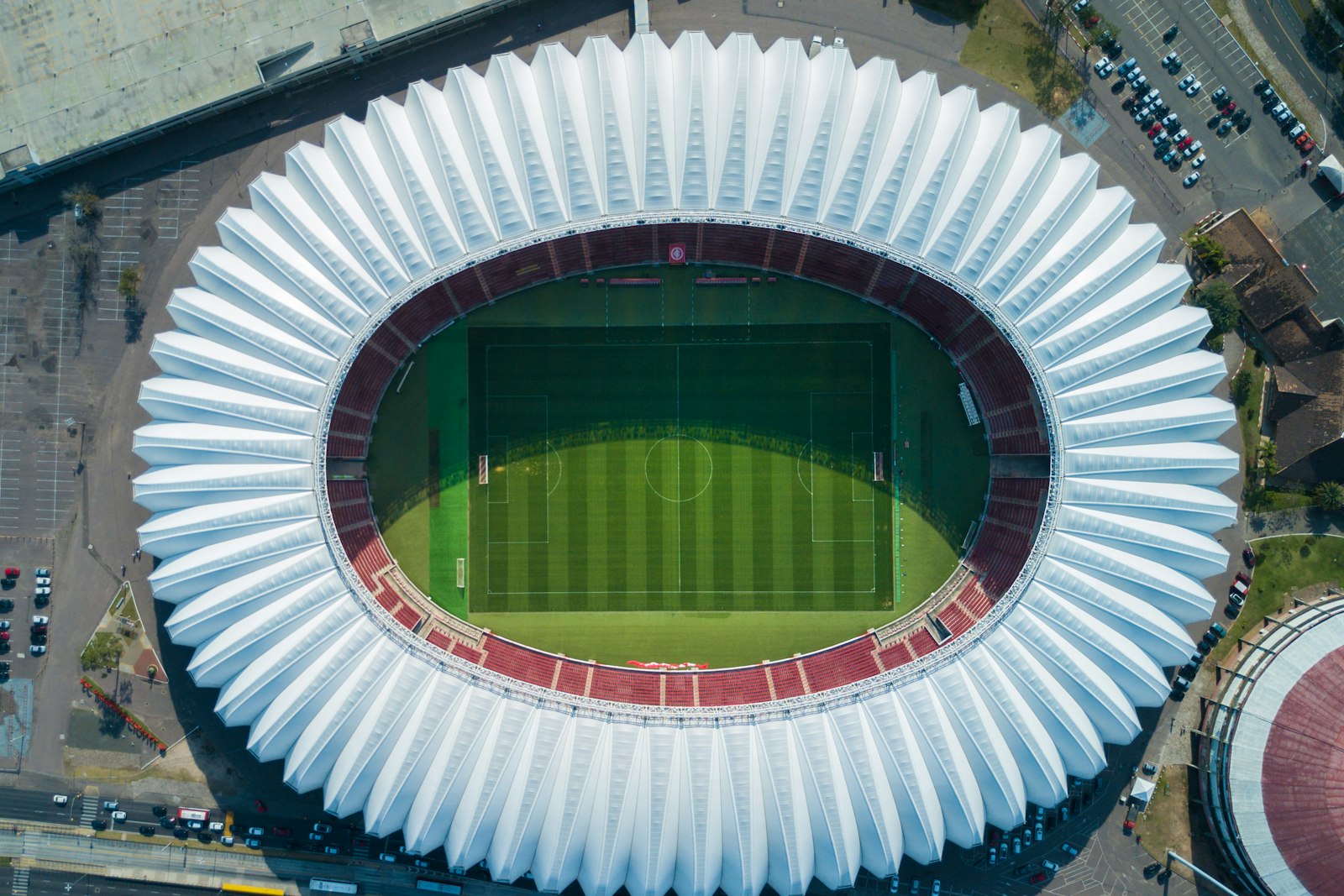
Venues that are ready on event day, and quiet when empty.
Bowls, concourses and plant on one platform. Loads follow the event calendar, peaks are shifted, and water on match day is accounted for.
Be ready on event day, and quiet when the venue is empty.
Loads that follow the event calendar, not a fixed timer
- Calendar-aware baselines
Energy is baselined against weather and the event calendar, so match days and dark days each have a target.
- Pre-cool, then hold
Where control is enabled, with owner approval, bowls and suites pre-cool before gates open and peaks are shifted.
- Every command logged
Each schedule change and command is recorded with who approved it, for a full audit trail.
Concourse, pitch and hospitality water in one balance
- One live balance
Concourse restrooms, kitchens, pitch irrigation and cooling reconcile against the main supply.
- Dark-day leaks
Flow on an empty day stands out against the baseline, so a running fixture is found before the next event.
- Irrigation accounted for
Pitch and landscape irrigation are separated from building use, so each has its own target.

Faults found on a dark day, not at kick-off
- Pre-event checks
AHUs, chillers and pumps are checked against their baselines in the days before an event.
- Faults routed
Faults arrive diagnosed with the recommended fix in your CMMS, with time to repair before gates open.
- Hospitality air
Fresh air in suites and concourses follows the crowd, with CO2 held to target by zone.

Running a venue, before and after Aqueduct
- Concourse AHUs run all week whether or not there is an event.
- Plant faults are discovered an hour before gates open.
- Match-day water use is a single number on the bill.
- Suites feel stuffy at halftime and nobody knows why.
- Event-day peaks set the demand charge for the whole month.
 The Aqueduct way
- Idle load on dark days is found and corrected with approval.
- Plant faults are found and fixed in the days before.
- Match-day water is split by concourse, pitch and hospitality.
- Suite air follows the crowd, with CO2 held to target.
- Peaks are shifted with pre-cooling, and every command is logged.
What stadiums and venues teams are up against.
Water, energy, air and operations carry equal weight. Each one runs the same loop: monitor, measure, identify, act, verify.
Water: Match-day water, accounted for
Concourse, pitch and hospitality water in one balance.
Energy: Peaks that follow the fixture list
Pre-cool before gates open. Idle load found on dark days.
Air: Hospitality and concourse air
Fresh air follows the crowd.
Operations: Plant that starts when it should
Faults found on a dark day, not at kick-off.
Problem, solution, impact.
How Aqueduct resolves each problem for stadiums and venues, and what changes when it does.
Concourse, pitch and hospitality water in one balance.
A live water balance across meters and sub-meters localizes the loss, routes the fix and confirms it closed at the meter.
Loss found from the balance, not the bill, and every fix verified.
Pre-cool before gates open. Idle load found on dark days.
Weather-normalized baselines per building and asset show the waste in money; schedules and setpoints adjust where control is enabled.
Savings stated in money and confirmed at the meter, not estimated.
Fresh air follows the crowd.
Air quality per zone, overlaid with occupancy, with ventilation raised when it matters and verified back in range.
Targets held during occupied hours, with the energy cost counted.
Faults found on a dark day, not at kick-off.
Faults diagnosed in plain language and routed into your CMMS with the fix; early signs of failure schedule maintenance first.
Fewer reactive call-outs and closures confirmed by the equipment.
One incident, from first signal to verified fix.
An illustrative example of the flywheel on a typical site.
Meters, chiller and AHU points, by stand and level.
Baselines for event days and dark days.
Idle load on a dark day 22% above its baseline: concourse AHUs left on.
Schedule corrected where control is enabled. Owner approval logged.
Dark-day load back to baseline. Saving booked.
Four connected products on one data layer.
A venue should come alive for the crowd and rest when the gates close.
Talk to our teamReplace what should be replaced. Connect the rest.
- BMS and BAS
- Energy management
- Water management
- CMMS
- Event scheduling systems as an input
Three equal ways in: keep your BMS, replace it, or build Aqueduct in at design stage.
The questions each seat asks first.
“Will the plant be ready for the event?”
“Can we report per event?”
“What do dark days cost us?”
Standards and regulations we supply evidence for.
We supply the measured inputs. You run the program and file the report.
Where teams put it to work
Dark days that are actually dark
Idle load on empty days found against the baseline, and schedules corrected where control is enabled, with owner approval logged.
Learn more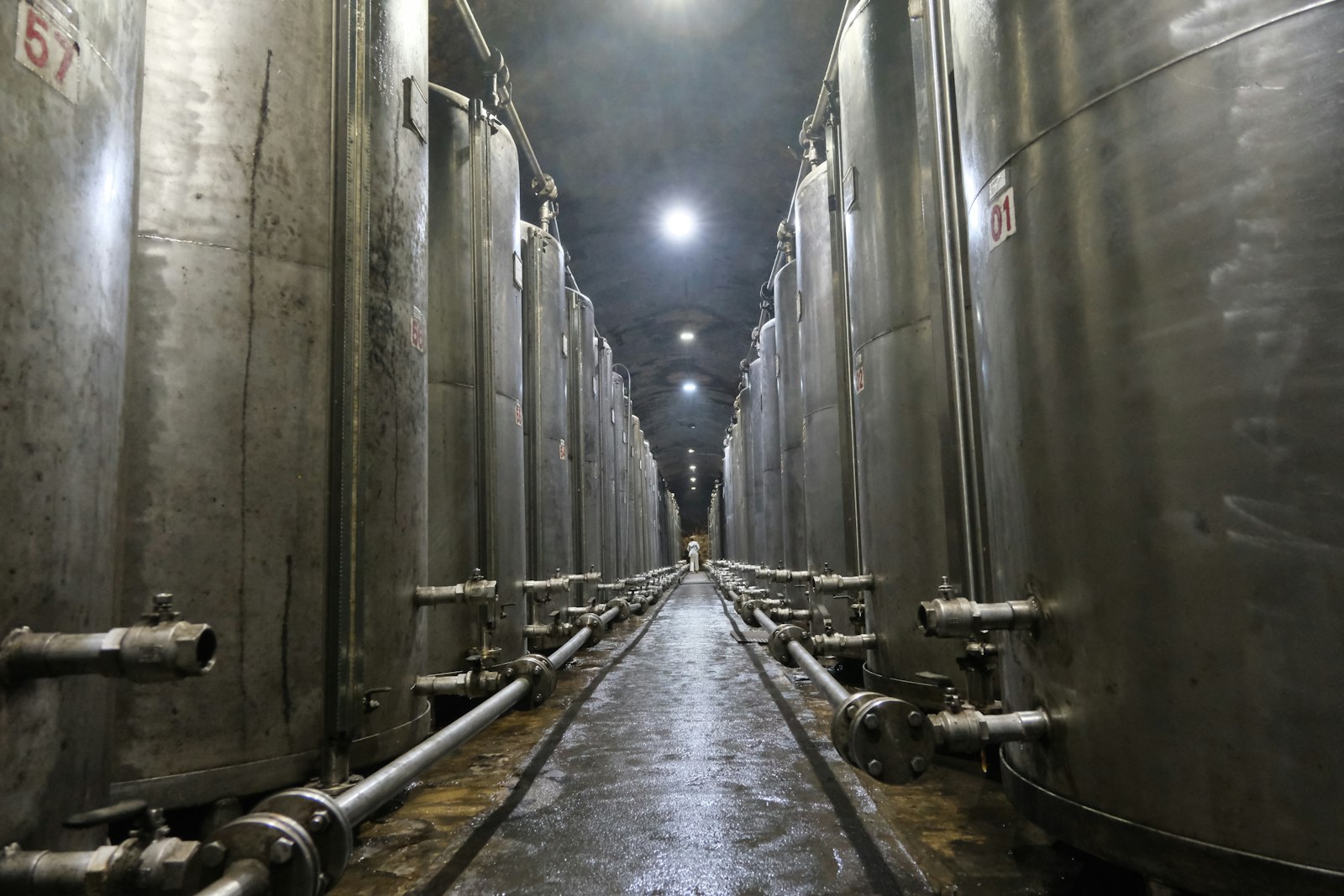
Plant ready before the gates open
Faults found, diagnosed and routed into your CMMS in the days before an event, then confirmed closed by the equipment.
Learn more
Suites and concourses that stay fresh
CO2 tracked by zone against occupancy, so fresh air follows the crowd without running full ventilation for empty seats.
Learn moreEight systems in a venue, and where each one loses.
In a stadium, no two days look alike. A match day dwarfs a dark day, and a groundskeeping day sits in between. Against that variance, a steady leak disappears on a monthly bill. Click a system to see the loss and what Aqueduct meters.
Potable and process water
Failed flush valves and fill valves run all night on empty concourses, hidden by match day swings.
Flow by stand and level, minimum night flow, dark day baseline.
Night and dark day flow compared with baseline per zone, the clearest leak signature a venue has.
Pitch irrigation
Controllers run to schedule with no flow feedback, so a stuck zone waters for weeks and the grass looks fine.
Flow per irrigation zone, weather, soil moisture where installed.
Each zone's flow checked against its schedule and the weather, with a stuck valve flagged the same day.
Treated and recycled water
STP, rainwater harvesting and recharge are installed but not quantified, so their share cannot be shown.
STP output, harvested and recharged volume, reuse by end use.
Every source split and measured: municipal, borewell, tanker, treated sewage and rainwater.
Electrical distribution
One uncoordinated start-up sets a demand peak that is billed for months.
Feeder level load, demand intervals, power factor.
Match day load profile modeled, so start-up can be staggered and the peak planned rather than discovered.
Floodlights and broadcast
Warm-up and full power sequences run longer than the fixture needs.
Circuit level power and run hours, start sequence timing.
Run hours compared with the event schedule, and lighting sequences logged per fixture.
HVAC and cooling
The dominant load in hot climates, often run on fixed schedules regardless of who is in the building.
Chiller and AHU power, delta T, district cooling consumption, zone conditions.
Pre-cooling timed to gate opening, and dark day plant held to its baseline, where control is enabled, with owner approval.
Solar and on-site generation
Self-use against export is not managed around events.
Generation, self-consumption, export, generator runs.
Generation valued against the tariff and booked per event for sustainability reporting.
Concourse and hospitality air
Crowds drive CO2 and heat faster than any other building type, and nothing is logged.
CO2, PM2.5, VOC, temperature and humidity per zone.
aQ AirSafe follows the crowd, with comfort compliance reported per event.
A venue's year is decided by a few hours.
estimated electricity use for a stadium on a single game day
Source: How NFL Stadiums Power Game Day, and What It Costs, Electric Choiceis the window in which that game day energy is used
Source: How NFL Stadiums Power Game Day, and What It Costs, Electric Choiceestimated annual electricity use of a modern NFL stadium
Source: How NFL Stadiums Power Game Day, and What It Costs, Electric ChoiceA venue needs a baseline for each kind of day it runs.
One baseline across the year hides everything. Aqueduct takes the event calendar as an input and baselines each day type separately, so a dark day is judged against dark days and a match day against match days.
Match day: plant ready, peak managed
Floodlights, HVAC, video boards and catering ramp together. The goal is a ready venue at gate opening without setting a new demand peak.
- Pre-cool and pre-ventilate on a planned sequence
- Watch the demand interval as the bowl fills
- Fresh air follows the crowd by zone
- Measured
- feeder load, chiller and AHU state, zone CO2
- Target
- your match day profile and demand limit
- Aqueduct
- start-up sequence planned and checked live
Dark day: the true zero baseline
A venue has something an airport or hospital lacks: days with nobody in it. Any water or power still flowing at 3am on a dark day is flowing for a reason nobody chose.
- Night flow per zone against the dark day baseline
- Concourse AHUs and lighting checked for idle running
- Losses valued per day they continue
- Measured
- zone flow, AHU run state, lighting circuits
- Target
- your dark day baseline
- Aqueduct
- idle load found and ticketed the same day
Grounds day: water for the turf, and no more
Irrigation, mowing and pitch care drive water use with almost no crowd. Each irrigation zone should draw what its schedule and the weather call for.
- Flow per zone against the controller schedule
- Weather-adjusted demand
- Treated water share recorded for the pitch
- Measured
- irrigation flow by zone, source split
- Target
- your irrigation plan
- Aqueduct
- stuck zones and over-watering flagged daily
Concerts and non-sport events: a different crowd shape
A stage on the pitch changes where people stand, where heat builds and which concourses carry load. Using the match day profile for a concert misplaces both air and cooling.
- Event type taken from the calendar
- Zone air and comfort logged per event
- Water and power reported per event for the promoter
- Measured
- zone conditions, feeder load, water by stand
- Target
- per event type
- Aqueduct
- per event utility report
Off season: the long quiet stretch
Weeks without fixtures are when plant should be at its lowest and when faults are cheapest to fix. It is also when nobody is watching.
- Plant schedules checked against an empty building
- Maintenance planned from aQ PredictIQ findings
- Leaks fixed before the season starts
- Measured
- whole venue load, plant run hours, night flow
- Target
- your off-season baseline
- Aqueduct
- a ranked fix list before the first fixture
Three markets, three kinds of pressure.
Summarized for orientation, not legal advice. Aqueduct supplies measured records; the venue, certifier or authority does the rest.
| Market | Pressure on the venue | Evidence that answers it |
|---|---|---|
| India | The National Green Tribunal has issued directions and penalties to cricket stadiums over groundwater use, unused treated water and missing reports | Metered source split, treated sewage share on the pitch, harvested and recharged volume, exportable on demand |
| United States | LEED for existing buildings scores operational performance, and sustainability claims for major venues are made in gallons and kWh | Continuous energy, water and indoor air data for the certification period |
| Gulf | Cooling dominates the bill, often bought as district cooling, and Dubai's demand reduction strategy applies to the estate | District cooling and water allocated by zone, tenant and event |
Built around the fixture list. Nothing is fitted on a match day.
Water and compliance first, because that is where the evidence gap is widest. Then energy and air on the same platform, then every venue in the estate on one standard.
Survey and source map
Every water source, irrigation zone, plant room and distribution board mapped. The event calendar loaded so day types are known from the start.
Metering between fixtures
Clamp-on flow and current sensors fitted on non-event days. The BMS read where one exists. The water balance closes and night flow baselines form.
Baseline across event and dark days
Enough event and non-event days to judge each against its own kind. First losses named and valued. Audit-ready source split exportable.
Energy, air and portfolio
Match day load profiles, pre-cooling and peak management. Smart Controls on pumps and AHUs where control is enabled, with owner approval. Then each venue benchmarked against the rest.
Five owners, one set of numbers.
Head of venue operations
Plant checked ready before gates open, and faults found on a dark day rather than at kick-off.
Grounds manager
Flow per irrigation zone, so a stuck valve is fixed the same day and the treated water share is on record.
Sustainability lead
Per event energy, water and reuse figures backed by meters, ready for certification and sponsors.
Learn moreGoverning body or operator group
Every venue on one standard, ranked by intensity and cost, using the method that runs across 275+ sites in 21 countries.
Proven in live sites across sectors.
Anonymized results, verified at the meter.
sites in 21 countries run on Aqueduct.
and 9 clinics in one of India’s top hospital chains.
US airport running water intelligence on Aqueduct.
of commercial real estate under Aqueduct.
Features that matter here
Common questions
Yes. Stadiums are among the live sites, along with airports, commercial portfolios and dairy.
Yes. Event schedules are an input, so loads are baselined separately for event days and dark days.
The owner. Aqueduct does not take control without owner approval, and every command is logged.
Because their loads differ so much that one average hides everything. Judging a dark day against other dark days makes idle plant and night leaks obvious, and judging a match day against match days shows whether start-up was well sequenced.
Yes. The event calendar is an input, so energy, water, reuse and air quality can be reported per fixture, per concert or per season for promoters, sponsors and certifiers.
Flow is measured on the irrigation mains and zone headers in plant rooms or valve chambers, not on the pitch. Sensors go in on non-event days.
Yes. Each source is metered separately, so the share of treated sewage water and harvested rainwater used on the pitch and grounds is a measured figure. The authority decides whether it meets its directions.
A ranked view of intensity and cost across the estate shows which venue is drifting and which practice is working, so fixes can be copied rather than rediscovered.
See Aqueduct on your own facility.
Bring a site, a utility bill or a question. We will show you where the loss is.