Non-revenue water software for utilities and large campuses.
Non-revenue water is the water you supply but never bill: real losses from leaks and bursts plus apparent losses from metering error and unauthorized use. Aqueduct is non-revenue water software that reads supply, district and customer meters alongside your SCADA, AMI and historians, compares supply with billed and metered use by zone, and turns the gap into located, prioritized work.
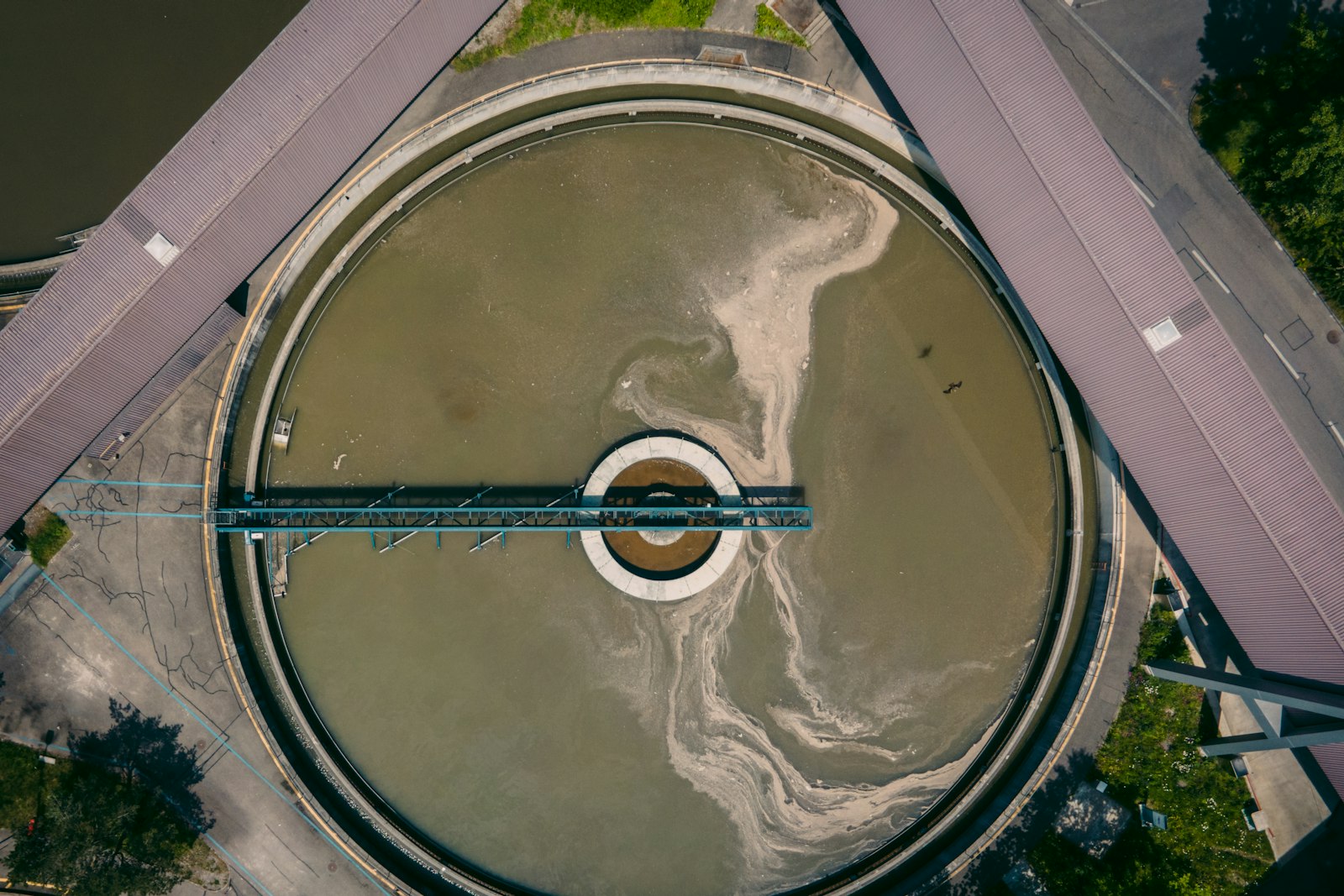
Non-revenue water with an address, a cost, and a verified repair.
Every district metered area balanced against what was billed
- Inflow against consumption
Metered zone inflow is compared with billed and metered use, so each zone carries its own loss figure.
- Existing systems read
Supply meters come from SCADA and historians, customer reads come from AMI. Nothing new to replace.
- SCADA keeps control
Aqueduct reads network data alongside SCADA. Pumps, valves and process control stay with your operators.
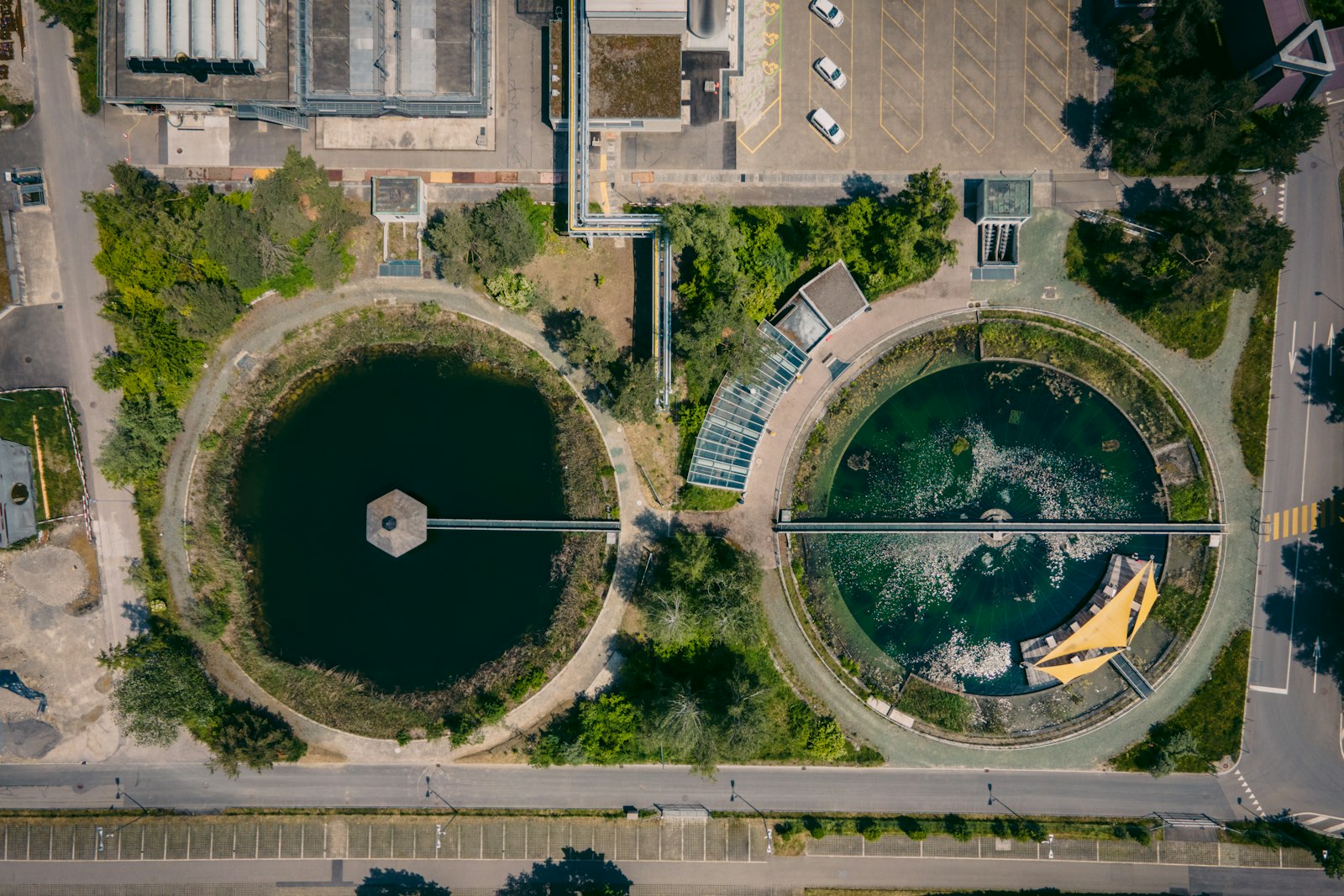
Separate the leaking main from the slow meter
- Night flow as evidence
Minimum night flow stepping up while consumption holds steady points to a real loss on the network.
- Reconciliation gaps
Customer meters that drift from expected use point to apparent loss from metering or billing.
- One ranked list
Zones and mains are ordered by loss and cost, so survey crews go where the money is.
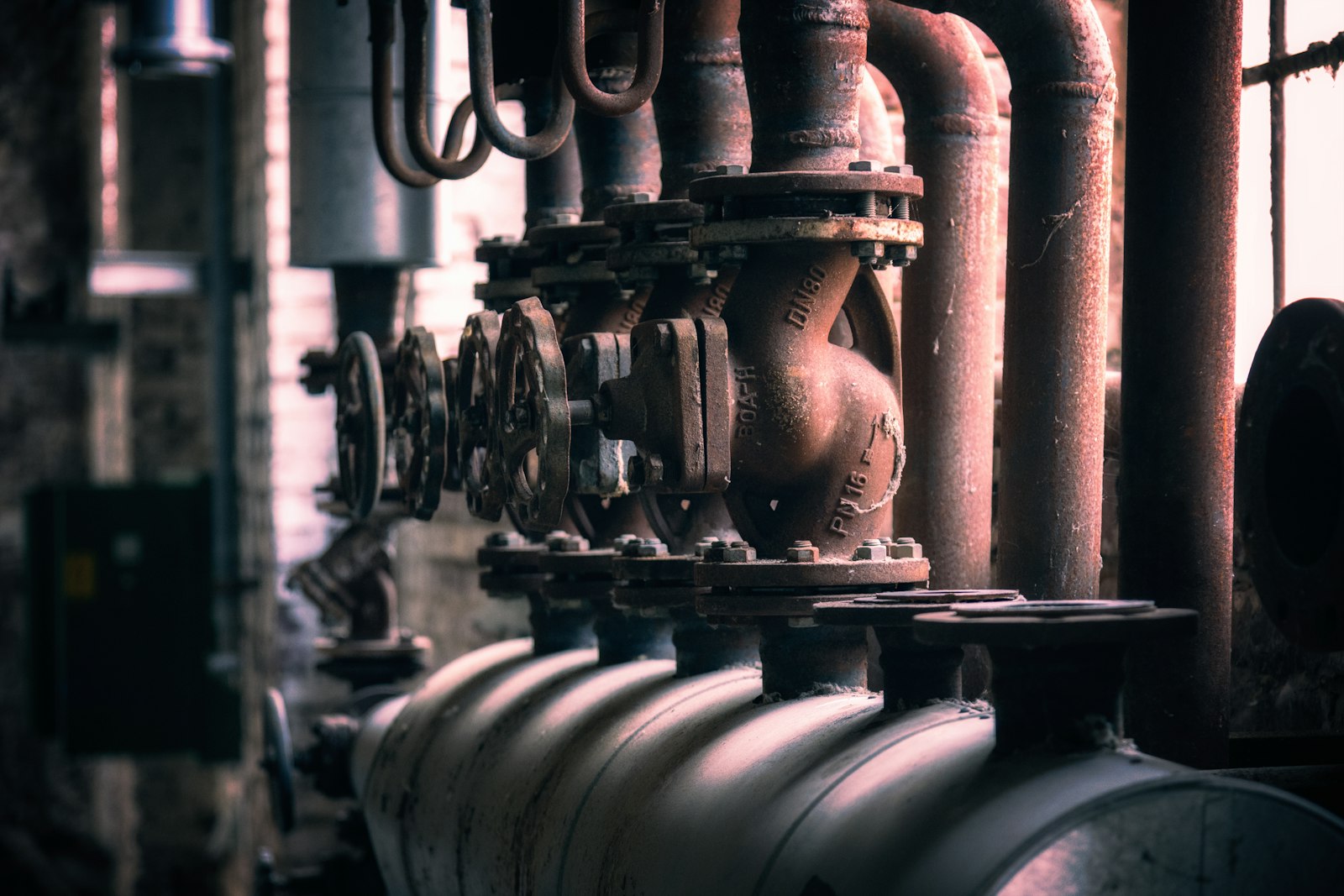
Repairs routed with evidence, results confirmed by zone
- Routed to CMMS
Each work order carries the zone, the night flow trace and the evidence behind the call.
- Verified by the zone
After repair, the zone balance and its night flow confirm whether the loss really came down.
- Audit inputs ready
Metered volumes feed your annual water audit. Your team files it, with numbers that hold up.

Non-revenue water, before and after Aqueduct
- The annual audit gives one loss figure with no location.
- SCADA, AMI, billing and the historian never get reconciled.
- Leaking mains and slow meters look like the same gap.
- Crews survey zones in rotation, not by where loss is.
- Repairs are logged, but night flow is rarely checked afterward.
 The Aqueduct way
- Every district metered area carries its own live loss figure.
- Aqueduct reads all four sources and reconciles them every day.
- Night flow and reconciliation separate real from apparent loss.
- Zones are ranked by loss and cost before crews go out.
- Night flow confirms each repair in the zone's own balance.
What NRW looks like without Aqueduct
Most utilities know their loss as a percentage. Few know where it is.
A number without a location
The annual audit gives a system-wide loss figure. It does not say which zone, main or meter to work on first.
Data in separate systems
SCADA, AMI, billing and the historian each hold part of the picture. Nobody reconciles them every day.
Real and apparent losses mixed
A meter under-registering and a main leaking both show up as the same gap.
Repairs without proof
Crews fix a leak. Whether the zone's night flow actually came down is rarely checked.
How NRW analysis works
Powered by aQ WaterGuard. Control stays with SCADA.
Read what you already run
Aqueduct reads supply and district meters from SCADA and historians, and customer reads from AMI. It works alongside them; it does not replace them.
Balance each zone
For each district metered area, metered inflow is compared with billed and metered consumption. The gap is that zone's loss.
Separate the losses
Night flow and rate of change point to real losses. Reconciliation gaps between customer meters and expected use point to apparent losses.
Rank and route
Zones and mains are ranked by loss and cost. Work is routed into your CMMS or EAM with the evidence attached.
Verify by zone
After repair, the zone balance and its night flow confirm the loss came down. The new level becomes the baseline.
One zone, start to finish
An illustrative incident in a district metered area.
Zone inflow comes from the historian; customer reads come from AMI.
Minimum night flow in one zone has stepped up and stayed up against its baseline.
Customer consumption in the zone is unchanged, so the gap is a real loss on the network side. Aqueduct ranks the zone first by cost.
A work order goes to the utility's CMMS for leak survey on the mains in that zone, with the night flow trace attached.
After repair, night flow returns to its baseline and the zone balance closes again.
Problem, solution, impact
System-wide loss with no location.
Zone-by-zone balance from SCADA, AMI and historian data.
Loss with an address, ranked so crews work the biggest gaps first.
Data reconciled by hand, if at all.
One data layer reading the systems you already run.
Less time assembling data, more time fixing the network.
Pumping water that never reaches a customer.
Loss and pumping viewed on the same platform.
The energy cost of lost water becomes visible.
What you get
Zone balances
Inflow against billed and metered use for every district metered area.
Real versus apparent
Night flow and reconciliation used to separate leaks from metering and billing gaps.
Works alongside SCADA
Read network data; control stays with SCADA.
Ranked work list
Zones and mains ordered by loss and cost, routed into your CMMS or EAM.
Verified results
Each repair confirmed in the zone's own balance.
Audit inputs
Metered volumes ready for your annual water audit. You file it.
Where it fits
- Spreadsheet water loss tracking
- SCADA
- AMI
- Historians
- CMMS
- EAM
Aqueduct reads network data alongside SCADA. Control stays with SCADA.
Related standards and programs
Aqueduct provides the metered inputs. Check the current rule in your state.
Where teams put it to work
Loss found zone by zone
District metered areas are balanced against billed use, so leak survey crews start in the zones where night flow has stepped up.
Learn more
Municipal networks, read alongside SCADA
City water departments keep their SCADA and their processes. Aqueduct adds the daily balance and routes work into the systems they already run.
Learn more
Metered inputs for the annual audit
Supply, billed and metered volumes are ready for the annual water loss audit, with the evidence trail behind every figure.
Learn moreRelated
Common questions
Water supplied minus water billed. It includes real losses, such as leaks and bursts, and apparent losses, such as metering error and unauthorized use.
No. It reads network data alongside SCADA, AMI and historians. Control stays with SCADA.
No. Large campuses, airports and industrial sites with their own distribution networks have the same problem at a smaller scale, and use the same zone balance.
No. It supplies the metered volumes and evidence. Your team prepares and files the audit.
See Aqueduct on your own facility.
Bring a site, a utility bill or a question. We will show you where the loss is.