Gas sub-metering for buildings, boilers, kitchens and tenants
Gas sub-metering installs meters below the main utility gas meter to measure individual tenants, buildings, boilers, water heaters or kitchens. Aqueduct reads pulse output meters, camera reads of existing meters and Modbus or M-Bus meters through LoRaWAN bridges, then reports consumption in cubic feet, CCF, therms or cubic meters with flow rate per hour.
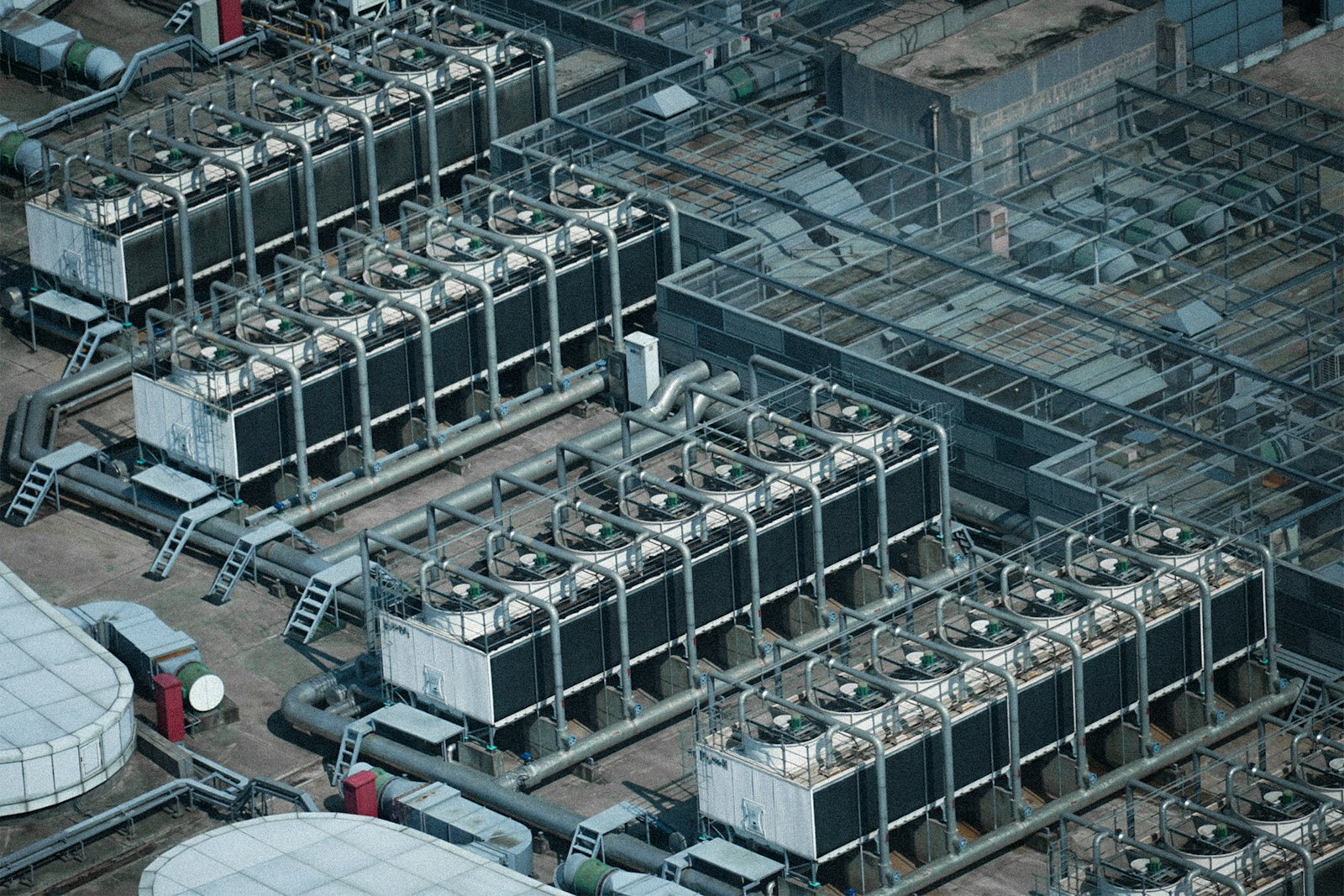
Measure gas where it burns, and see waste before the bill does.
Boilers, heaters and kitchens each on their own meter
- Main and below
The utility meter gives the total, and sub-meters show which load used it.
- Equipment drift
A boiler or water heater burning more than its baseline is flagged for inspection early.
- Unoccupied use
Gas use with nobody in the building is raised as a waste event.
Heating gas judged against the weather it ran in
- Degree days
Baselines use heating and cooling degree days, so cold spells are not mistaken for waste.
- Bills on day one
Uploading 6 to 12 months of bills gives a baseline from the first day.
- Cost, not volume
Rate configuration from the utility bills turns the gas usage delta into money finance recognizes.
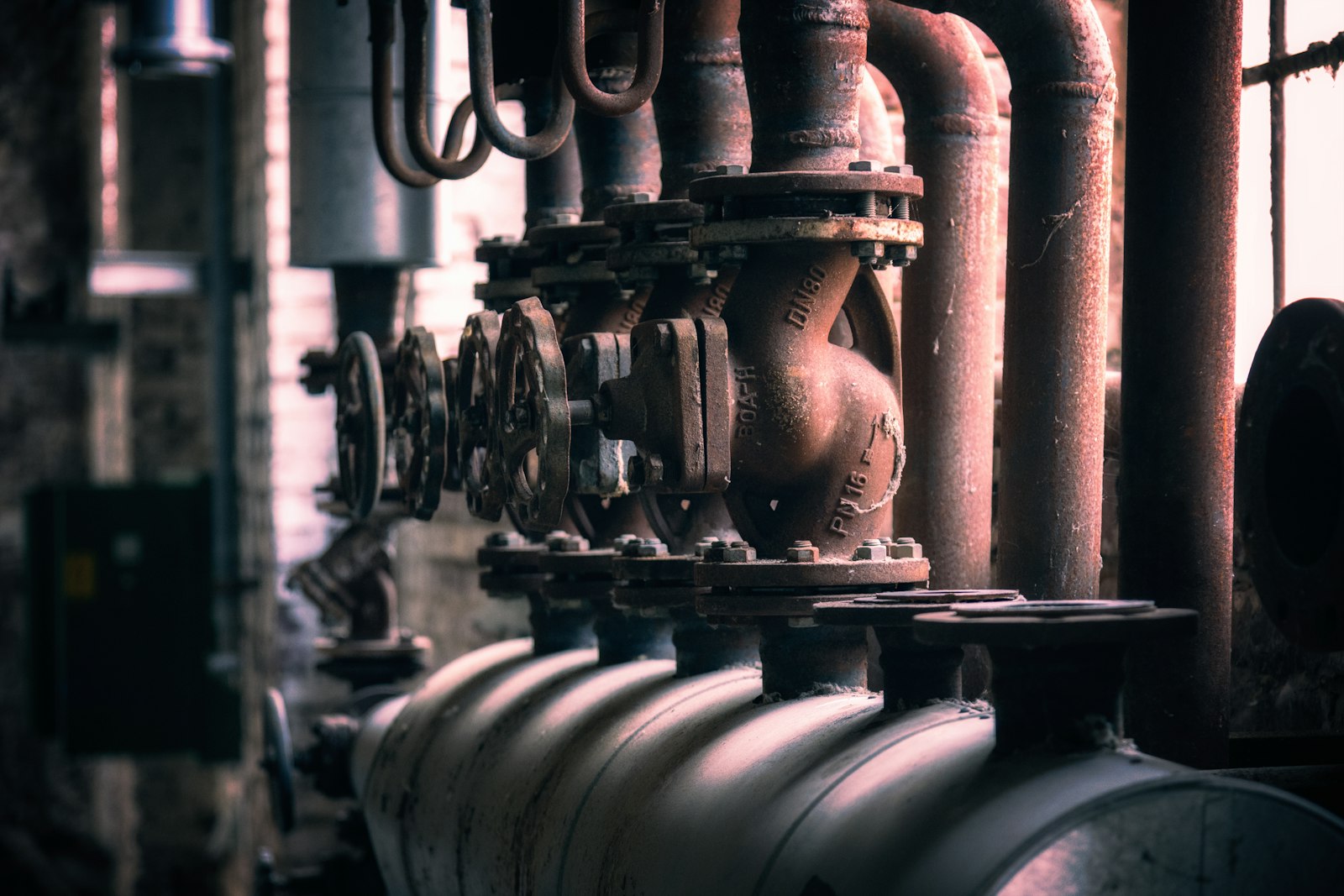
Pulse, camera or bridge, without replacing what works
- Pulse counters
A pulse constant converts counts into cumulative gas use in the right unit.
- Camera reads
The face of an old meter is read by computer vision in the cloud.
- M-Bus and Modbus
Bridges convert meter data to LoRaWAN messages and send them securely to the cloud.

Gas metering, before and after Aqueduct
- The gas bill is the only view of consumption.
- A failing boiler burns extra gas for months unnoticed.
- Cold months and real waste look the same on paper.
- Tenants split gas costs by floor area.
- Old gas meters are read by hand, if at all.
 The Aqueduct way
- Sub-meters show gas use by building, tenant and equipment.
- Use above baseline flags the boiler for inspection early.
- Degree-day baselines separate weather from waste.
- Tenants are billed from their own measured gas use.
- Pulse counters, bridges and cameras read old meters automatically.
Gas meter types and data points
Three ways to bring gas data into Aqueduct.
| Device type | Data points |
|---|---|
| Gas meter, pulse output | Pulse counts through a LoRaWAN pulse counter, converted in the cloud to cumulative consumption using the meter's pulse constant, in ft3, CCF, therms or m3, with flow rate in ft3/hr or m3/hr |
| Camera meter reading an existing gas meter | An image of the meter face is read with computer vision in the cloud, giving cumulative consumption and flow rate from the change between images |
| Modbus or M-Bus meter | Meter data collected by a Modbus-to-LoRaWAN or M-Bus-to-LoRaWAN bridge and sent securely to the cloud |
Where gas meters go
Service entrance
Total building consumption at the utility meter, the base for bill validation.
Boilers and water heaters
The largest gas loads, where malfunction shows up first as excess use.
Commercial kitchens
Kitchen gas measured separately from heating.
Tenants and buildings
Each tenant or building on a campus measured on its own meter.
What gas sub-metering surfaces
Excess use from failing equipment
A boiler or water heater that burns more than its baseline shows up as waste, not as a surprise on the bill.
Use when nobody is there
Gas consumption while a building or area is unoccupied is flagged as a waste event.
Unfair cost allocation
Floor-area splits are replaced with measured use per tenant.
Features and use cases this hardware powers
Weather-normalized baselining
Heating gas compared against degree days, so a cold month is not mistaken for waste.
Learn moreUnits Aqueduct reports
Volume and energy content, depending on the meter and region.
Where teams put it to work
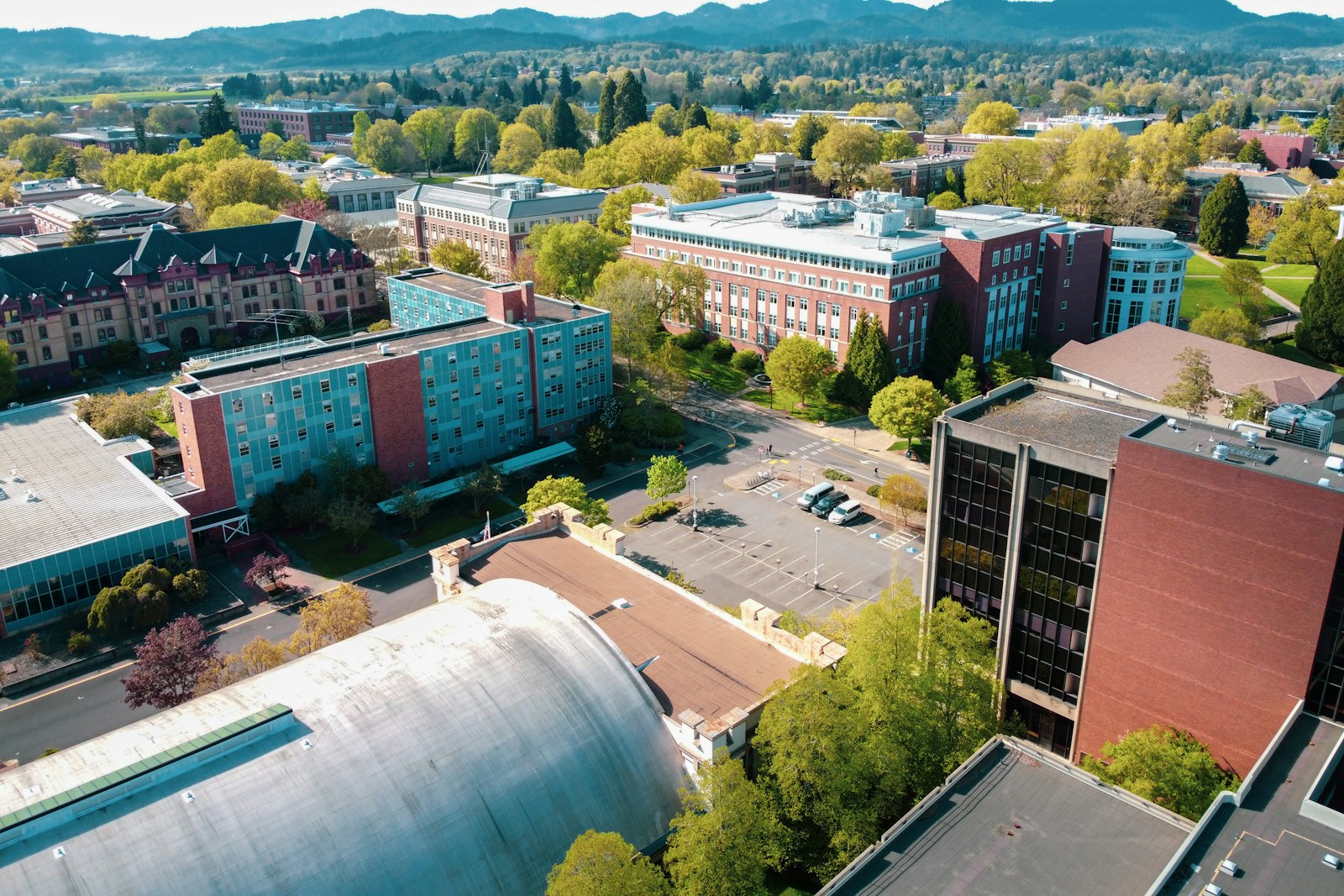
Gas measured building by building on campus
Sub-meters on each building show which boilers and kitchens drive campus gas use, measured against a weather-normalized baseline for that building.
Learn more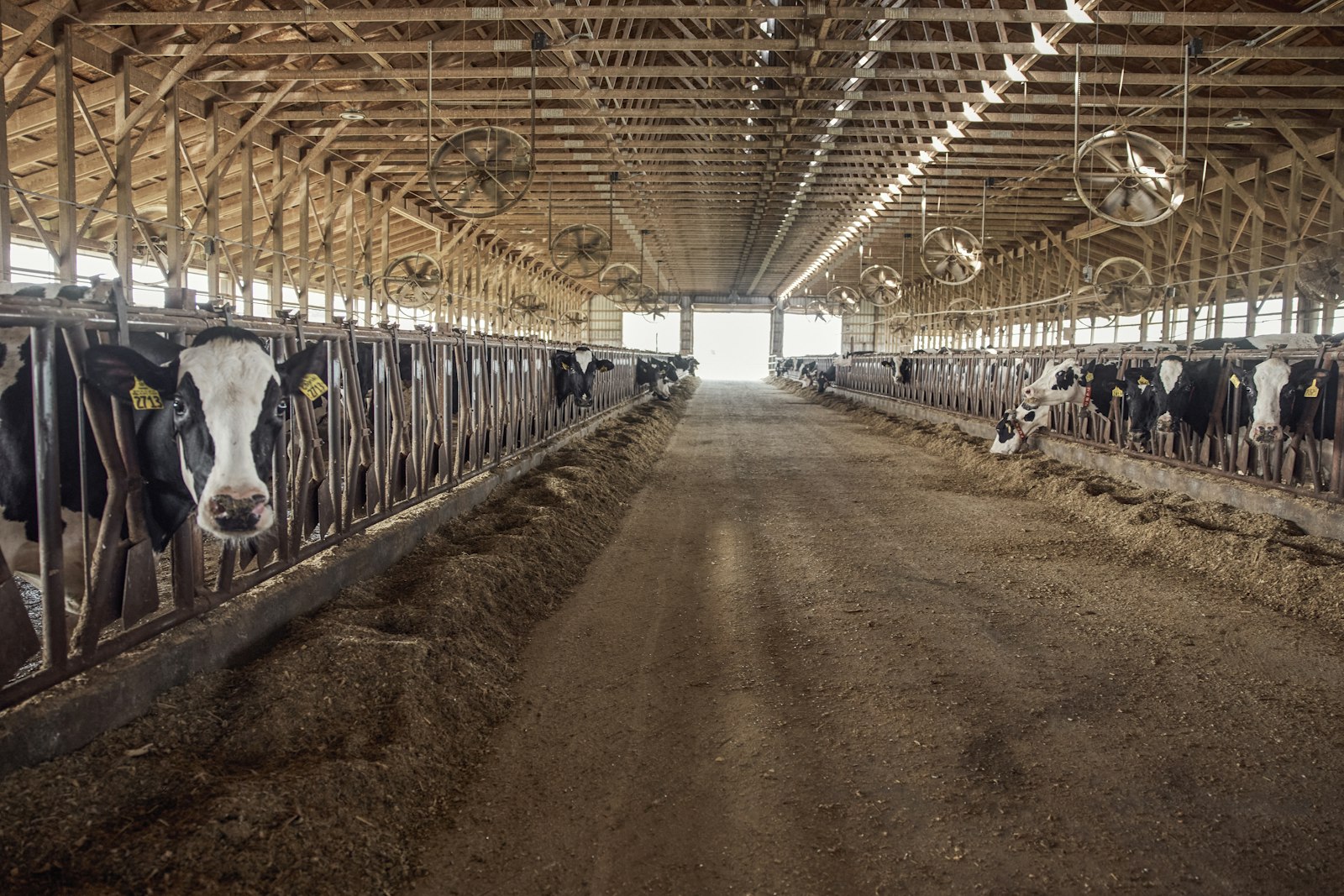
Process heat measured where it is used
Gas for water heating and process loads is metered separately, so drift on one heater shows up against its own baseline.
Learn more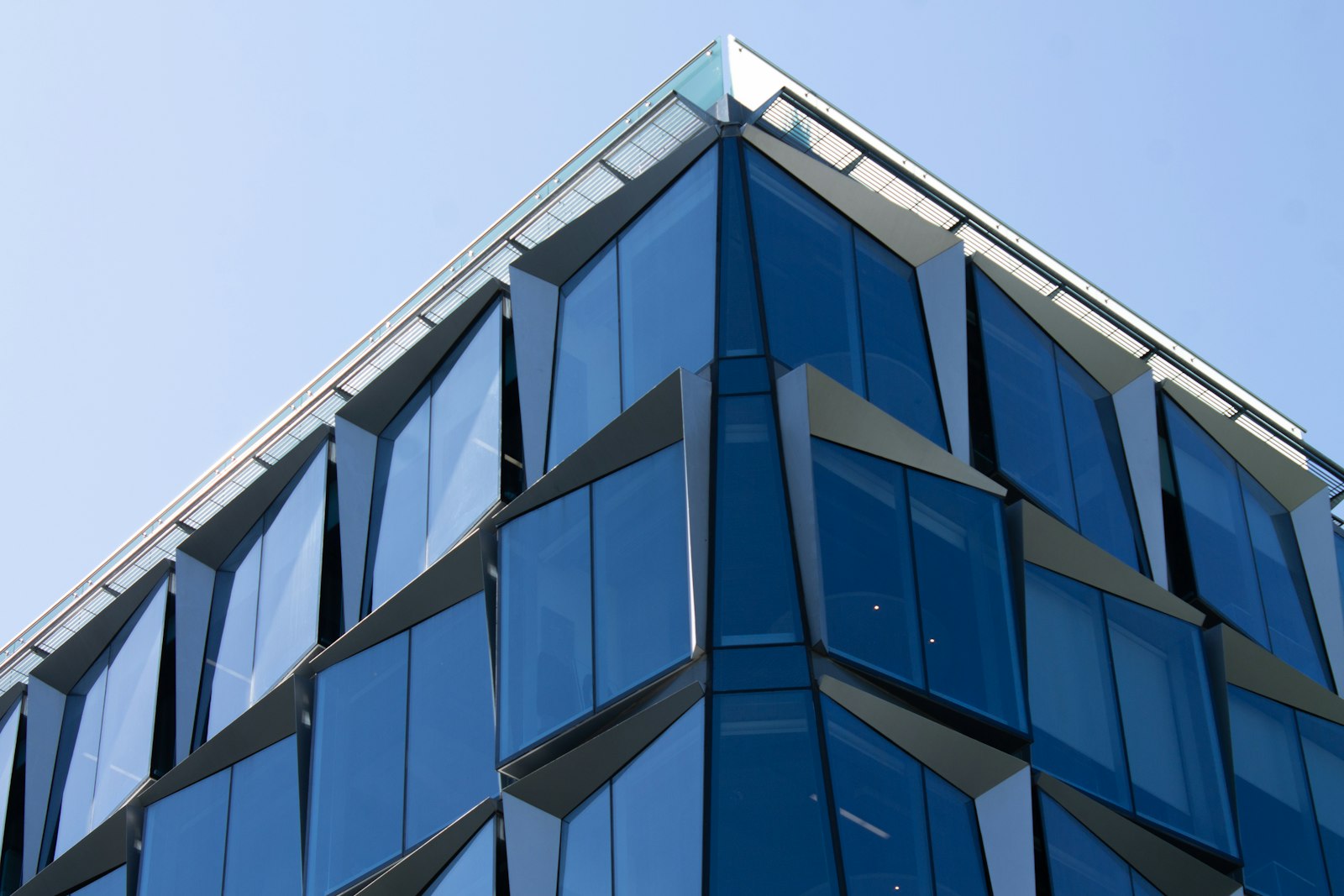
Gas billed to tenants on measured use
Tenant gas sub-meters feed Aqueduct billing directly, replacing floor-area splits and flagging any bill that falls outside a tenant's usual range.
Learn moreDevice agnostic, with leading manufacturers.
Exact make and model are selected per site. These are some of the manufacturers and standards Aqueduct works with.





sites in 21 countries run on Aqueduct.
and 9 clinics in one of India’s top hospital chains.
US airport running water intelligence on Aqueduct.
of commercial real estate under Aqueduct.
FMCG manufacturing campus.
operations run on Aqueduct.




Related
Common questions
Gas sub-metering installs meters downstream of the main utility gas meter to measure individual tenants, buildings or equipment. Aqueduct reads those meters so gas use can be attributed, billed and compared against a weather-normalized baseline.
Yes. Meters with a pulse output connect through a LoRaWAN pulse counter, Modbus and M-Bus meters through a bridge, and meters with no output can be read by a camera.
Cubic feet, hundred cubic feet (CCF), therms or cubic meters, depending on the meter and region, with flow rate in cubic feet or cubic meters per hour.
Aqueduct flags unusually high gas use and use during unoccupied periods, which can indicate equipment faults or leaks. It is not a replacement for life-safety gas detection required by code.
Heating gas rises in cold weather. Aqueduct baselines gas against heating and cooling degree days, so a colder month is not mistaken for waste and real savings are visible.
Yes. Gas sub-meters per tenant feed Aqueduct Billing Management, replacing floor-area allocation with measured consumption.
See Aqueduct on your own facility.
Bring a site, a utility bill or a question. We will show you where the loss is.