How to reduce water loss in buildings and campuses, then prove it stopped
Reducing water loss in buildings means finding water that enters but is never used, then stopping it. Aqueduct closes a live water balance across the main and sub-meters, so unaccounted flow becomes the leak signal. It locates the loss to a floor or line, prices it, routes the fix to your CMMS and verifies the saving at the meter against a weather-normalized baseline.
Find the water nobody uses, price it, stop it and prove it stopped.
Supply equals use plus loss, every 60 seconds
- Main and sub-meters
Flow at the inlet and on every metered branch, read into one live equation.
- Unaccounted term
The flow nobody can attribute is tracked against an hourly expected baseline.
- Night flow
Quiet hours give the cleanest signal, so loss that should be near zero stands out.
One riser, one line and a cost per month
- Narrowed to the branch
The loss sits where the balance stops closing, so crews start at one riser.
- Priced from your bills
Rate configuration from your utility bills turns lost gallons into a monthly cost finance recognizes.
- Ranked across sites
Losses across a portfolio are ordered by cost, so the largest gets the first crew.
The repair counts only when the meter agrees
- Ticket with evidence
The line, the flow trace and a recommended fix go into your CMMS together.
- Isolation where enabled
A LoRaWAN valve can close a line where control is enabled, with owner approval.
- Back to baseline
Unaccounted flow must return to its baseline before the loss counts as stopped.
Water loss, before and after Aqueduct
- The utility bill is the leak alarm.
- One inlet meter cannot say where water goes.
- Slow leaks run for months without a puddle.
- Lost water is a volume nobody prices.
- Repairs close without anyone checking the flow.
 The Aqueduct way
- The live water balance is the leak alarm.
- Sub-meters split the site into sections you can act on.
- Unaccounted flow against baseline exposes slow loss.
- Every lost gallon carries a monthly cost.
- The meter confirms the flow stopped.
Why buildings lose water without knowing
Most sites have one meter at the inlet and a monthly bill. Loss hides between the two.
One meter, one number
A single inlet meter shows the total. It cannot say which floor, riser or process line is losing water.
Slow loss never surfaces
Running toilets, stuck fill valves and slab leaks lose water steadily without a puddle anyone can see.
Found on the invoice
Consumption doubles overnight and the first sign is the bill, weeks after the water is gone.
Repairs never confirmed
A plumber closes the ticket, and nobody measures whether the loss actually stopped.
How Aqueduct reduces water loss
One loss, from first signal to verified fix.
Smart meters on the main supply and sub-meters on floors, risers and process lines report into the water twin every 60 seconds.
The balance runs live: Main Supply equals All Floors plus Fire System plus RO Feed plus Unaccounted Loss, against an hourly baseline.
Unaccounted flow holds above its night baseline. The gap sits on one riser, and the loss is priced per month from your rates.
A ticket with the line, the flow trace and a recommended fix routes into your CMMS. Where valve control is enabled with owner approval, a line can be isolated.
After the repair, unaccounted flow returns to baseline and stays there. That reading becomes the new baseline.
What it needs on site
Existing meters connect if they emit telemetry. New devices are installed through partners.
| Device | What it measures or does | Why it matters |
|---|---|---|
| Main supply meter | Total flow into the site | The top of the balance; without it there is no equation |
| Sub-meters on floors, risers and lines | Flow per branch | Localizes loss to where the balance stops closing |
| Pressure and level sensors (optional) | Line pressure, tank levels | Separates bursts from slow loss and tracks storage |
| LoRaWAN water valve (optional) | Open, closed or partial | Isolation where control is enabled, with owner approval |
| Utility bills, 6 to 12 months | Historical use and rates | Day-one baseline and cost per gallon |

Outcome
What changes when the balance runs live.
Loss found on the bill, weeks late.
A live balance with unaccounted flow tracked every interval.
Water savings verified at the meter against a weather-normalized baseline.
Plumbers walk the whole building.
Loss narrowed to a riser or line, with the trace on the ticket.
A targeted repair and a closed loop in your CMMS.
Hot water leaks waste the energy that heated them.
Hot and cold distribution modeled separately where both exist.
Hot water loss seen as both a water and an energy cost.
Who cares about this
The seats that ask for this first.
Facilities managers and directors
Leaks located to the line, ticketed and confirmed closed.
Learn moreWhere teams put it to work
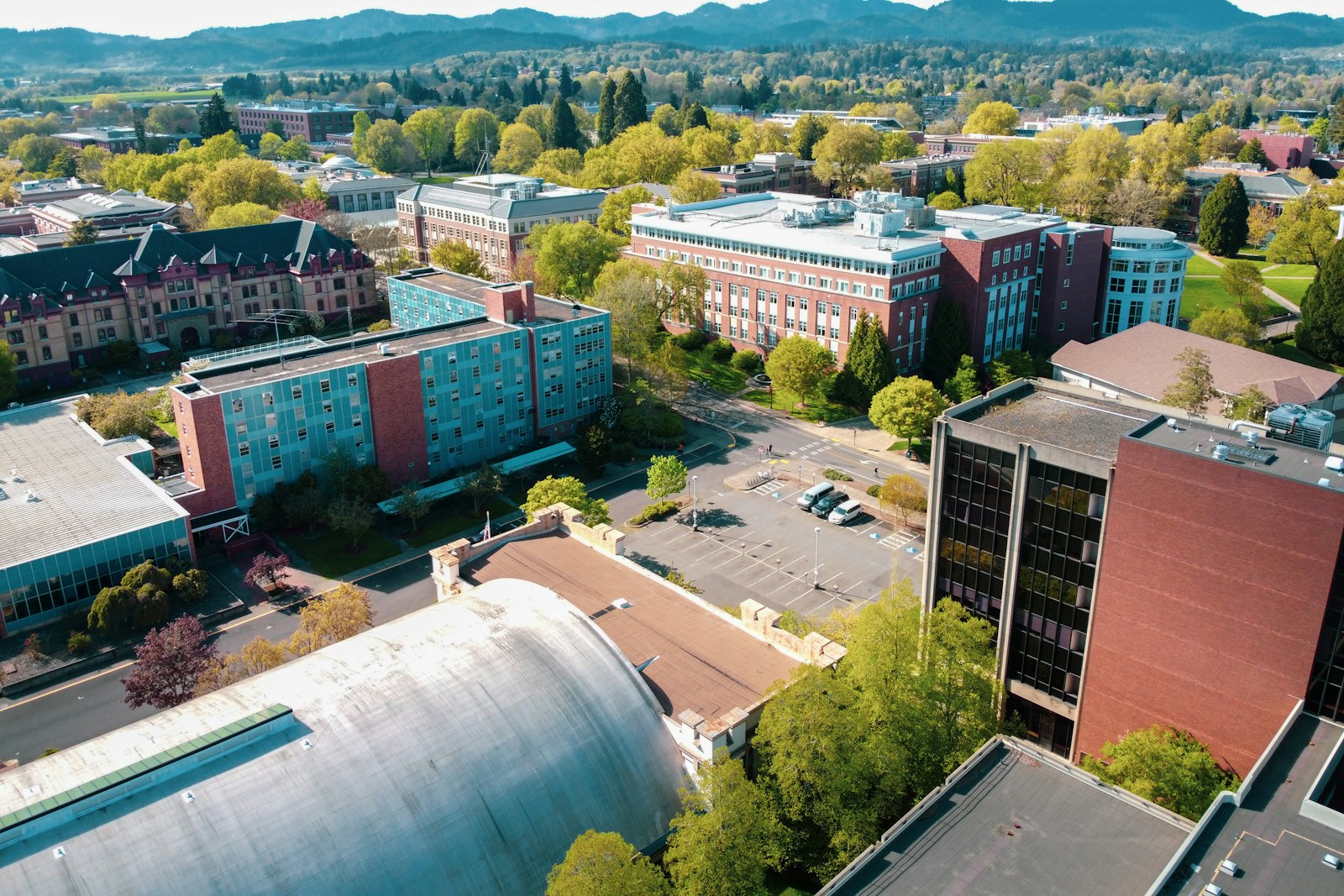
Many buildings, one water balance
Campus mains and building sub-meters roll into one balance, so loss is traced to the building and then to the line.
Learn more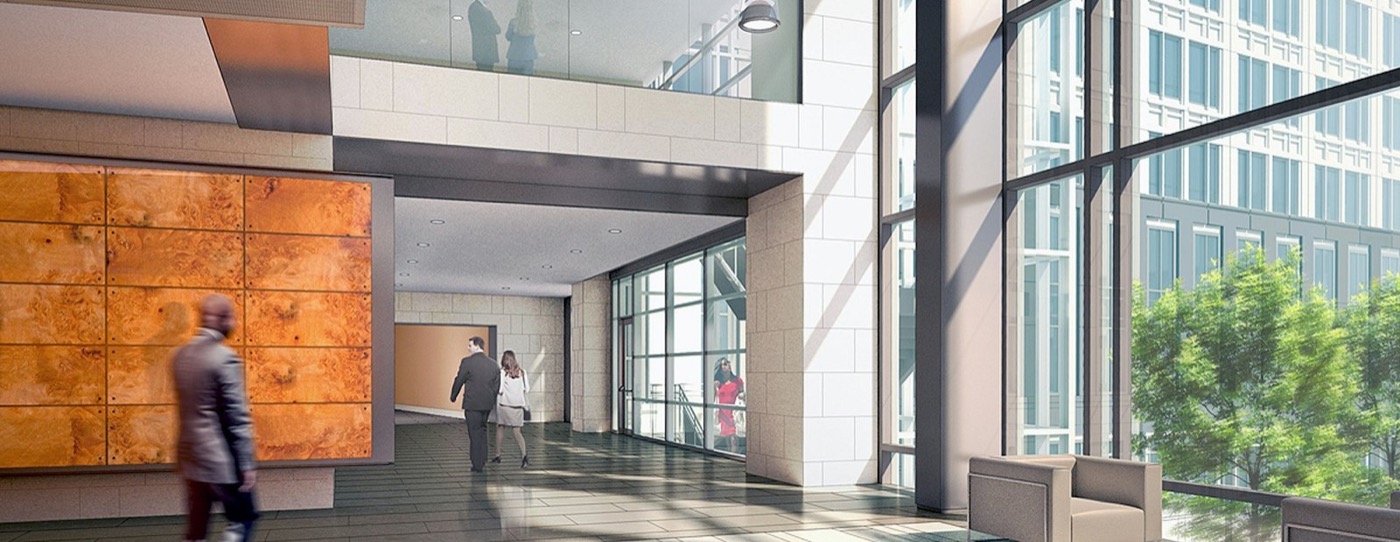
Water loss across wards and plant
Hospitals meter risers, plant rooms and process lines, so loss is found and fixed without disrupting wards, theaters or other clinical areas.
Learn more
Running toilets pinpointed
Sound levels, odor, occupancy and sink meters narrow the loss to a specific restroom and fixture, without recording any audio.
Learn moreEight places water leaves a site without being used
Each loss has a signature once the site is metered. Without metering, most of them never show at all.
Buried pipe leaks
No surface evidence on well drained ground or under slabs
Zone flow at night
Elevated off-hours baseline on the zone
Tank overflows
Fill controls fail at night and the overflow drains cleanly
Tank level and inlet flow
Repeating step change at a consistent time
Running fixtures
Flush valves that stop closing fully
Restroom flow, sound level, PIR
Flow with no occupancy
Irrigation
Controllers open valves for a set time and never measure flow
Irrigation zone meters
Flow against schedule and expected volume
Cooling tower make-up
Stuck float valves and excess blowdown
Make-up and blowdown flow, conductivity
Make-up against load
RO reject
Reject rising as membranes foul
Feed, permeate and reject flow
Recovery against baseline
Hot water loops
Leaks that waste the energy that heated the water too
Hot water sub-meters
Prices loss as water and energy
Unmetered connections
Temporary or forgotten branches drawing water
Main supply against every metered use
Rising unaccounted term in the balance
Water is getting more expensive to lose
rise in combined US household water and sewer bills from 2019 to 2024
Source: Bluefield Research: U.S. water and sewer bill has increased 24% in five yearsa year in uncaptured revenue from water lost in US utility networks
Source: Water Online: Water losses cost U.S. utilities US$6.4B annually (Bluefield Research)Dubai's target cut in electricity and water demand by 2030, against business as usual
Source: MEED: Dubai updates energy savings targetFrom one inlet meter to a closed balance
An illustrative path for a multi-building campus. Each phase adds resolution to the balance.
Bills and the main supply
Utility bills give a day-one baseline and cost per gallon. The main supply meter connects or is fitted with telemetry.
Meter every intake and the big users
Each source is metered separately, then the major consumers: buildings, risers, cooling make-up, irrigation and process lines.
Close the equation
Supply equals metered use plus unaccounted loss. Night flow baselines are learned per zone.
Find, fix, verify
Loss is located to the branch, ticketed with the trace, and closed only when unaccounted flow returns to baseline.
A night flow test you can run this week
Pick a quiet window
Choose two to four hours when the site, or a zone, should use close to nothing, such as 2 to 4 AM on a non-working day.
Read the main meter twice
Record the reading at the start and end of the window, or use interval data if the meter has it.
Subtract what is expected
Remove known night users such as cooling make-up, process or irrigation. What remains is water nobody chose to use.
Price it
Multiply the hourly rate by the hours in a year and your water and sewer rate. That is the annual cost of doing nothing.
Then make it continuous
Aqueduct runs the same test every night, per zone, and tells you which branch moved.
sites in 21 countries run on Aqueduct.
and 9 clinics in one of India’s top hospital chains.
US airport running water intelligence on Aqueduct.
of commercial real estate under Aqueduct.
FMCG manufacturing campus.
operations run on Aqueduct.





Related
Common questions
Meter the main supply and the main branches, close a water balance, and investigate any flow that is not accounted for. Aqueduct runs that balance live, locates the loss, routes the fix to your CMMS and verifies at the meter that it stopped.
Unaccounted water loss is flow that enters through the main supply but is not measured by any downstream meter. In Aqueduct's water balance it is the term left over after floors, fire system and RO feed, and it is the main leak signal.
You need a metered main supply and enough sub-meters to split the site into sections you can act on, such as floors, risers or process lines. More sub-meters narrow the location further. Existing meters connect if they emit telemetry.
Yes. Slow leaks show up as unaccounted flow that stays above its expected baseline, especially at night when use should be near zero. Restroom sensors can add sound and occupancy data to pinpoint running fixtures.
Aqueduct refreshes telemetry every 60 seconds, so a change in unaccounted flow is visible the same day it starts. How quickly it is flagged depends on the size of the loss against the baseline.
Only where valve control is enabled, with owner approval. Otherwise Aqueduct routes a ticket with the location and evidence into your CMMS for the team to act on.
Aqueduct uses the rate configuration from your utility bills to convert lost volume into money per month, so leaks can be ranked by cost across a portfolio.
On every intake, then on the largest consumers and the zones with the least visibility: irrigation, cooling make-up, risers and process lines. The aim is a balance that splits the site into sections a crew can act on.
At night most zones should use close to nothing. Whatever flows then is consumption nobody chose, so a rise is a clear sign that something has failed.
A single meter can show that total night flow has risen, but not where. Sub-meters turn that into a location.
Yes, where the fire line is metered it is a term in the balance. Testing and filling events are then visible as their own consumption rather than as loss.
It depends on what legitimately runs overnight, such as cooling make-up or process. The useful number is each zone's own night baseline: when that rises and stays up, something has changed.
See Aqueduct on your own facility.
Bring a site, a utility bill or a question. We will show you where the loss is.