Fault detection and diagnostics software for HVAC and plant teams: faults found, diagnosed and fixed.
Fault detection and diagnostics (FDD) is reactive: once equipment has faulted, it detects the fault, finds the root cause and gets it fixed. Aqueduct is fault detection and diagnostics software that reads equipment states and meters, explains the cause in plain language, routes a ticket with the recommended fix to your CMMS, and confirms at the meter that performance is restored.
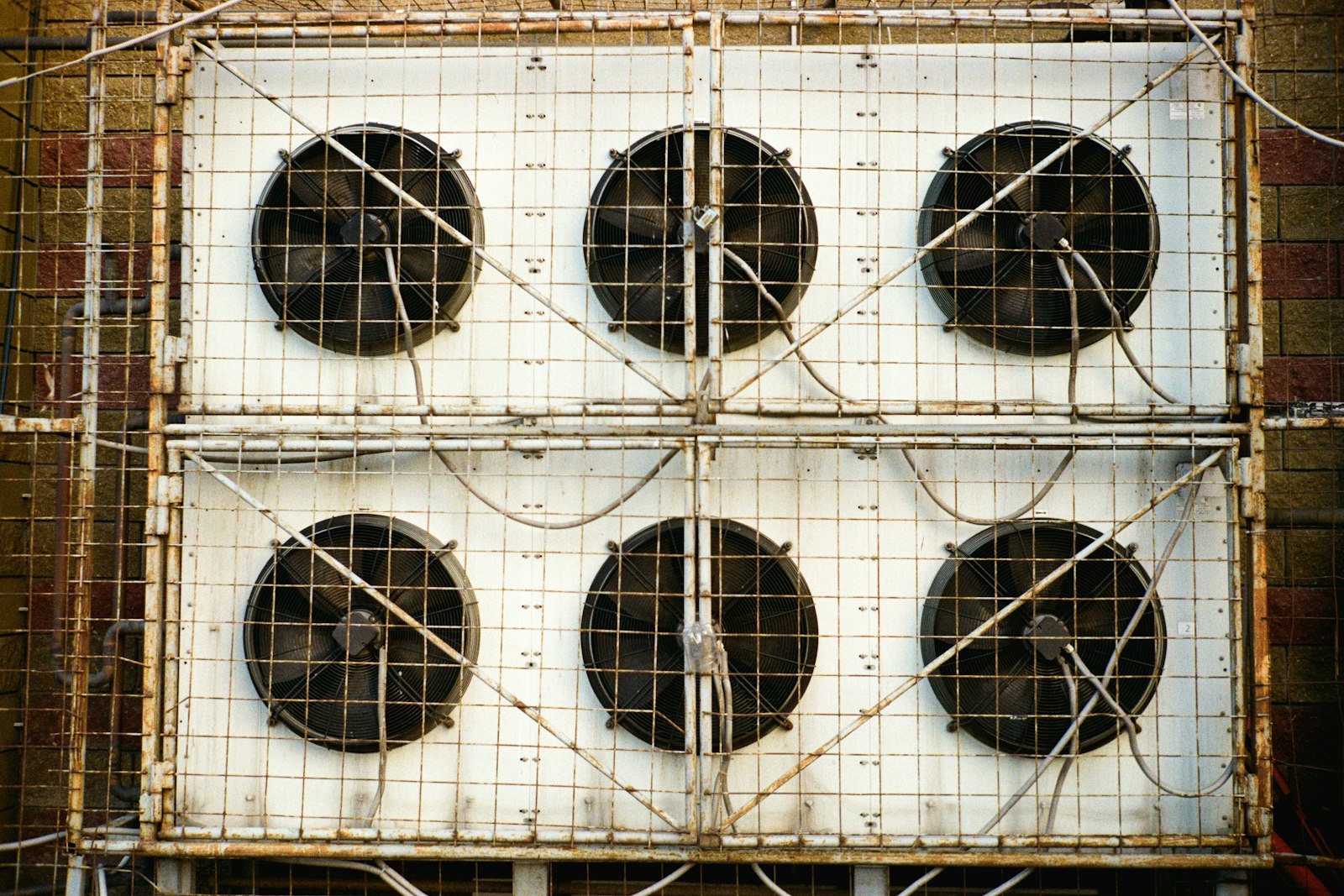
Faults found, diagnosed and fixed, with the meter confirming the repair held.
See each unit as the parts that make it run
- Real components
An RTU or AHU is shown as dampers, economizer, cooling, heating and fans, each with its live state.
- Modbus and BACnet
Field devices and BMS points supply the states, so no raw point list needs decoding.
- Quality KPIs
Setpoint attainment, comfort compliance and sequence exceptions show how well each unit is doing its job.
The cause and the evidence, not an alarm code
- Alarm floods filtered
Stopped components, missed setpoints and abnormal runtime are separated from the noise of routine alarms.
- Root cause named
Aqueduct explains the likely cause, the affected zones and the evidence behind the diagnosis.
- Ask the building
aQ Assistant answers which asset changed and why, with the trend and comparison attached.
From diagnosis to a confirmed, verified repair
- Into your CMMS
The ticket carries the diagnosis and a recommended fix. Your CMMS manages technicians and work orders.
- Fix confirmed
After repair, airflow, temperature, energy and setpoint attainment confirm the fault is cleared.
- New normal recorded
The verified state becomes the baseline, so a repeat of the same fault stands out immediately.
Fault handling, before and after Aqueduct
- Hundreds of BMS alarms bury the one that matters.
- A stuck damper runs the building badly for months.
- The technician arrives knowing something is wrong, not what.
- Faults are found by the people sitting in hot rooms.
- A closed work order is treated as a fixed fault.
 The Aqueduct way
- Real faults are separated from routine alarms, with evidence.
- Component states show the stuck damper the day it sticks.
- The ticket arrives with the diagnosis and a recommended fix.
- Faults are found by the platform before occupants notice.
- Airflow, temperature and energy confirm the fault is cleared.
What faults look like without Aqueduct
Most faults are found by an occupant, an alarm flood or the next bill.
Alarm floods
The BMS raises hundreds of alarms. The one that matters is buried among the ones that do not.
Faults that hide in plain sight
A stuck damper or a failed economizer keeps the building running, just badly, for months.
Cause unknown
A technician arrives knowing something is wrong but not what. Diagnosis happens on the roof.
Closed is not fixed
The work order is closed. Whether airflow, temperature or energy actually returned to normal is not checked.
How FDD works in Aqueduct
Powered by aQ PredictIQ on aQ Core, with Smart Controls device twins.
Read component states
Through Modbus or BACnet field devices and BMS points, the device twin shows each component: dampers, cooling, heating, fans, economizer, mode and lockouts.
Detect the fault
Stopped components, missed setpoints, sequence exceptions, abnormal runtime and energy against baseline are flagged against each asset's expected behavior.
Diagnose in plain language
Aqueduct explains the likely root cause, the evidence and the affected zone, rather than raising a raw alarm. aQ Assistant answers follow-up questions about the asset.
Route the fix
A ticket goes to your CMMS with the diagnosis and a recommended fix. Your CMMS manages the technician and the work order.
Verify it is fixed
After the repair, setpoint attainment, airflow, temperature and energy confirm the fault is cleared.
One fault, start to finish
An illustrative incident on an air handling unit.
The AHU device twin reports fan status, fan speed, supply air temperature and zone temperatures.
Each component has an expected state and runtime for the schedule and conditions.
The blower fan has stopped while the unit is commanded on. Aqueduct diagnoses a failed rotor shaft from the fan status, current and airflow evidence.
A ticket goes to the CMMS with the diagnosis, the affected zones and the recommended repair.
After repair, fan status, airflow and zone temperatures return to normal, and setpoint attainment recovers.
FDD and predictive maintenance are not the same thing
Both run on the same data layer. They answer different questions at different times.
| Fault detection and diagnostics (FDD) | Predictive maintenance | |
|---|---|---|
| When | Reactive, after the fault | Proactive, before the fault |
| Question | What failed, why, and how do we fix it? | What is wearing, and when should we service it? |
| Signals | Stopped equipment, setpoints missed, sequence exceptions, abnormal states | Early signs of failure: vibration, sound signature, energy drift |
| Example | An AHU blower fan stops. Aqueduct flags it, diagnoses a failed rotor shaft, routes the fix and confirms airflow is back. | A compressor shows rising vibration, a new sound signature and energy drift. Aqueduct schedules maintenance before it fails. |
| Promise | Faults found, diagnosed and fixed. | Stops failures before they happen. |
Problem, solution, impact
Alarm floods and unclear causes.
Faults diagnosed per asset in plain language.
Technicians arrive knowing what to fix.
Faulty equipment wasting energy for months.
Equipment energy watched against its own baseline.
Hidden energy faults found and the fix confirmed at the meter.
Comfort and ventilation lost to a fault.
Zone temperature and air quality tied to the equipment serving them.
Comfort restored and verified after the repair.
What you get
Component-level twin
Each unit shown as its real components and states, not raw points.
Plain-language diagnosis
Root cause and evidence, not just an alarm code.
Control quality KPIs
Setpoint attainment, comfort compliance and sequence exceptions.
CMMS tickets
Diagnosis and recommended fix sent in, verified closure read back.
Verified repair
The meter and the device confirm the fault cleared.
Ask the building
aQ Assistant answers which asset changed, with the evidence attached.
Where it fits
- FDD tools
- BMS alarm handling
- CMMS
- EAM
- BMS and BAS points
Aqueduct integrates with your CMMS. It does not manage technicians, inventory or work order workflows.
Related terms and standards
Where teams put it to work

Terminal HVAC that stays ahead of complaints
Air handlers serving gates and concourses are watched component by component, so a stopped fan is routed before passengers feel the heat.
Learn more
Rooftop units across many buildings
Across a commercial real estate client's 20M+ sq ft portfolio, component level faults on rooftop units are diagnosed and routed into one CMMS queue.
Learn more
Air handlers serving critical areas
AHUs serving theaters and wards are diagnosed in plain language, so repairs go straight to the right component.
Learn moreRelated
Common questions
FDD is reactive. After equipment has faulted, it detects the fault, identifies the root cause and gets it fixed.
FDD acts after the fault. Predictive maintenance acts before it, catching early signs of failure such as vibration, sound signature and energy drift so the fault never happens. They are not interchangeable.
No. Aqueduct can read your BMS and BAS points and work across them, replace them where controls have aged out, or be built in at design stage.
No. It routes a ticket with the diagnosis and recommended fix into your CMMS, which manages the work. Aqueduct reads verified closure back.
Device states, setpoint attainment and metered energy are checked against expected behavior after the repair.
See Aqueduct on your own facility.
Bring a site, a utility bill or a question. We will show you where the loss is.