Burst detection for water networks, campuses and large sites.
Burst detection means spotting a sudden, large loss of water as it happens rather than after the damage. Aqueduct watches flow, pressure and the water balance for abnormal rate of change and night flow, flags a probable burst with its location, and isolates it on approval where a controllable valve is connected.
Catch the burst as it starts, isolate it on approval, and confirm it held.
A burst looks different from a busy morning
- Each line's own profile
Every meter has an expected curve by hour, so morning peaks stop triggering false alarms.
- Sharp change flagged
A sudden jump far above the expected profile is flagged as a probable burst within minutes.
- Pressure confirms it
Pressure drops on the same line separate a real burst from a legitimate surge in demand.
Close the right valve without driving out
- Location from the balance
The block or zone that stopped reconciling shows which section to isolate, not just that water is leaving.
- Owner approval first
Where a valve is connected through a LoRaWAN relay or field device, it closes only with owner approval.
- Lockouts protect equipment
New commands are held while an earlier command is still being acted on, so valves are not cycled.
Every step logged, every section confirmed
- Command history
Each isolation command, its time and whether it executed are recorded for review and insurance.
- Flow confirms isolation
Flow on the isolated section drops to zero and the rest of the balance closes again.
- Back to baseline
After repair, the line returns to its expected profile, and that profile becomes the new baseline.
Burst response, before and after Aqueduct
- A flooded basement or a public call is the first alert.
- Fixed high-flow alarms fire every morning and get ignored.
- Teams know there is a burst but not which valve.
- Someone drives out to find and close the valve by hand.
- Nobody records when isolation happened or whether it held.
 The Aqueduct way
- The rate of change on the line is the first alert.
- Alerts compare each line with its own expected hourly profile.
- The balance shows which section to isolate.
- Connected valves close remotely, with owner approval.
- Command history records every step and flow confirms it held.
What a burst looks like without Aqueduct
A burst is found by whoever sees the water first.
Discovered by damage
A flooded basement, a sinkhole or a call from the public is the first alert.
Thresholds that cry wolf
A fixed high-flow alarm fires every morning at peak demand, so it gets ignored.
No idea which valve to close
Teams know there is a burst but not which section to isolate.
Slow, manual isolation
Someone has to drive out, find the valve and close it by hand.
How burst detection works
Powered by aQ WaterGuard, with Smart Controls where isolation is enabled.
Watch flow and pressure
Flow meters, pressure sensors and level sensors report into the water twin. On networks, data is read from SCADA and historians.
Compare to the expected curve
Each meter has an expected profile by hour. A sharp rate of change, or night flow well above its usual floor, separates a burst from normal peaks.
Locate it
The balance shows which block or zone stopped reconciling, and pressure drops narrow it further.
Isolate on approval
Where a valve is connected through a LoRaWAN relay or a field device controller, Aqueduct can close it once an owner approves. Every command is logged in command history.
Confirm and restore
Flow and pressure confirm the isolation held. After repair, the twin confirms the section is back to normal.
One burst, start to finish
An illustrative incident on a campus service line.
Building and campus flow meters report into the water twin overnight.
Flow on one service line jumps far above its expected night profile within minutes.
The rest of the campus balance is steady and pressure has dropped on that line. Aqueduct flags a probable burst in that section.
The on-call owner approves isolation. The connected valve closes and the command is recorded. A ticket goes to the CMMS for repair.
Flow on the line drops to zero and the campus balance closes. After repair, the line returns to its baseline.
Problem, solution, impact
Bursts run until someone notices.
Rate-of-change and night-flow analysis on every metered line.
Less water lost per event, and loss stopped at the source.
Flood damage and emergency call-outs.
Location narrowed and isolation available on approval.
Damage contained and crews sent to the right section.
Pumps run hard to hold pressure against the burst.
Pumped and pressurized lines in the same view.
Wasted pumping stops when the burst is isolated.

What you get
Rate-of-change alerts
Sudden flow changes caught against each line's own profile.
Night flow tracking
The quietest hours used as the cleanest burst signal.
Location
The block, line or zone where the balance broke.
Isolation on approval
Valves closed through connected relays or field devices, only with owner approval.
Where it fits
- Fixed high-flow alarms
- Water management systems
- SCADA
- Historians
- CMMS
On utility networks, Aqueduct reads data alongside SCADA and control stays with SCADA. On sites, control is used only where enabled and with owner approval.
Related standards and terms
Where teams put it to work
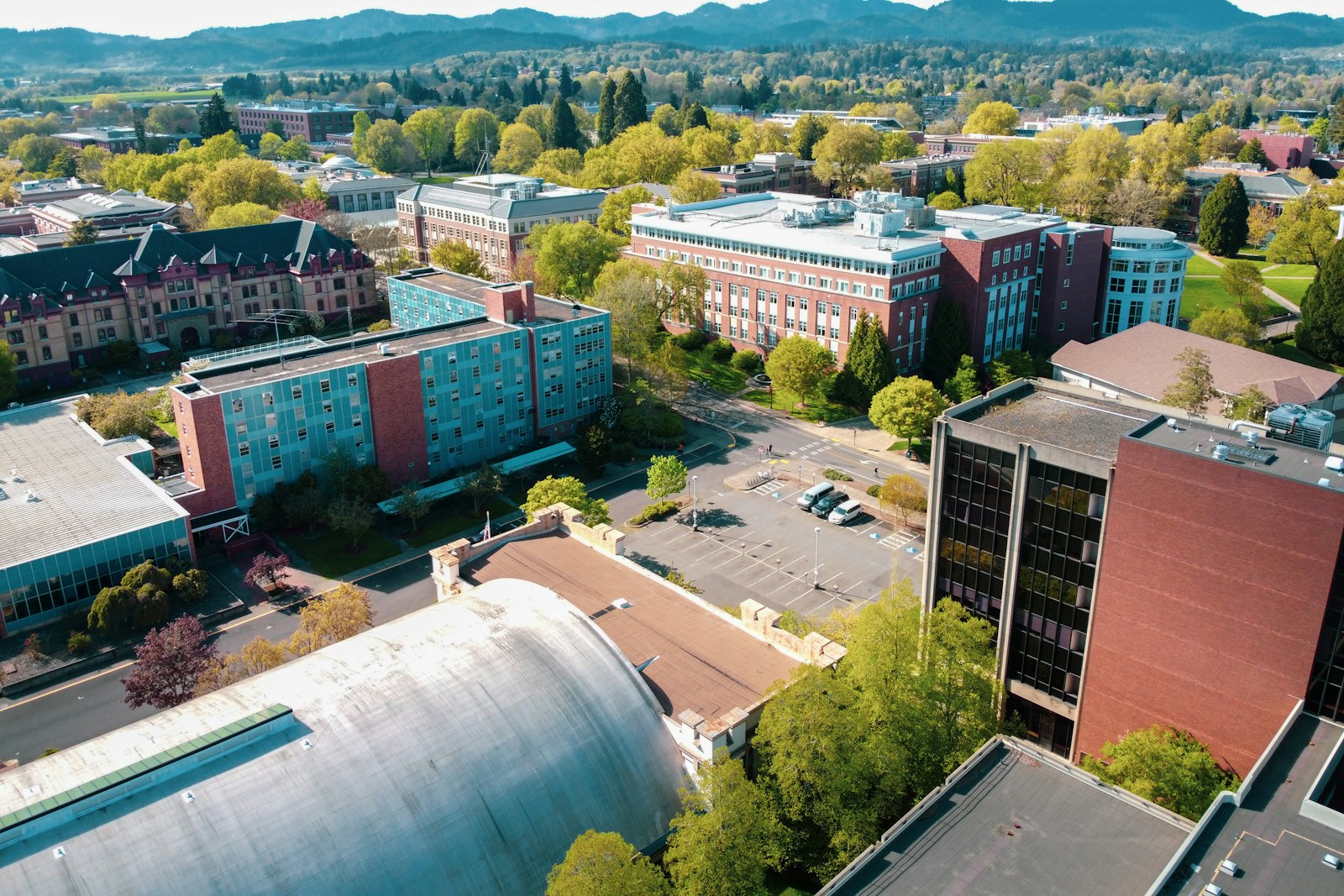
Service lines watched through the night
Building and campus flow meters report overnight, so a service line burst is flagged and isolated before the morning arrives.
Learn more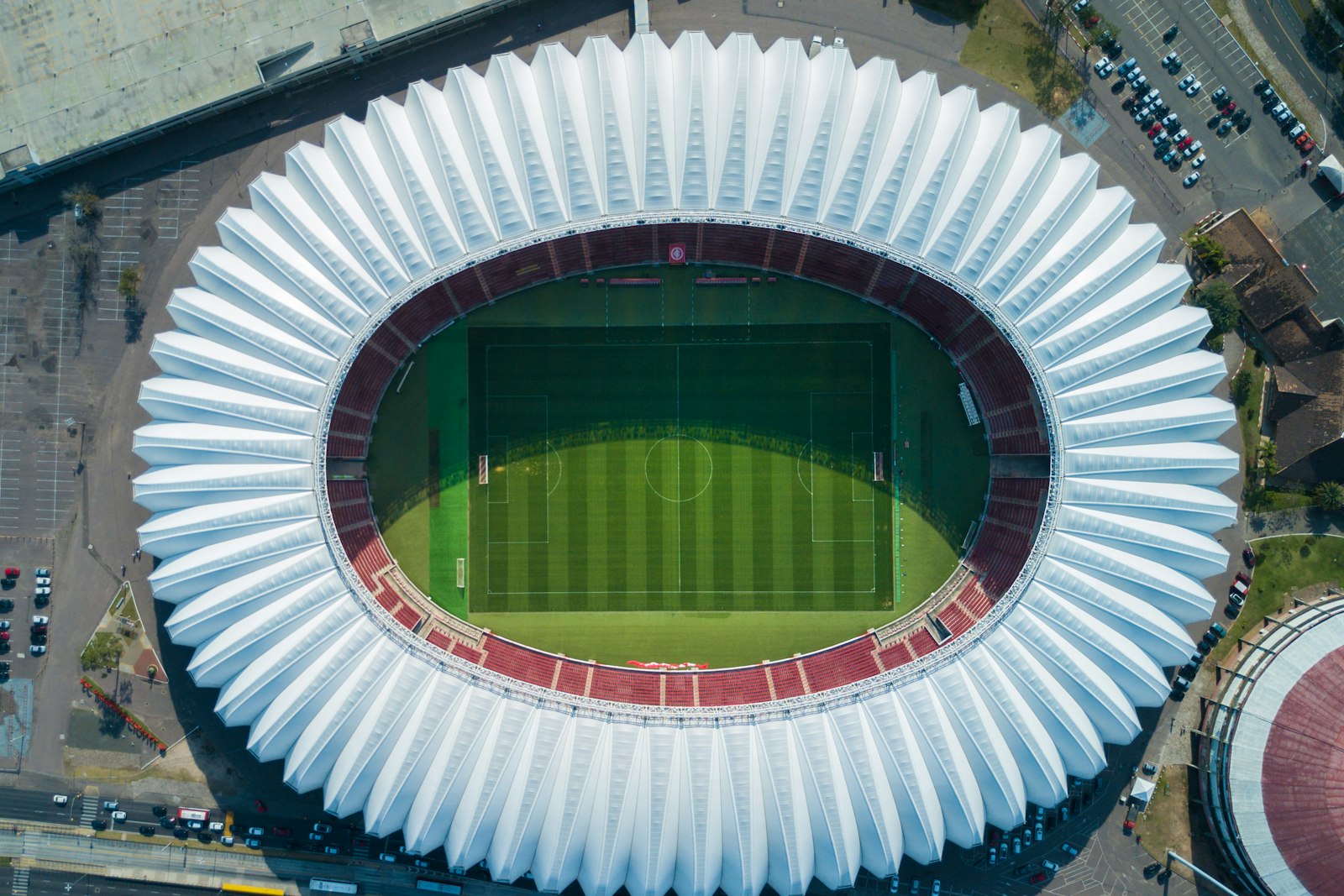
Large sites with long quiet periods
Between events, venue flow should be close to its night profile, so any sudden change stands out clearly and is routed fast.
Learn more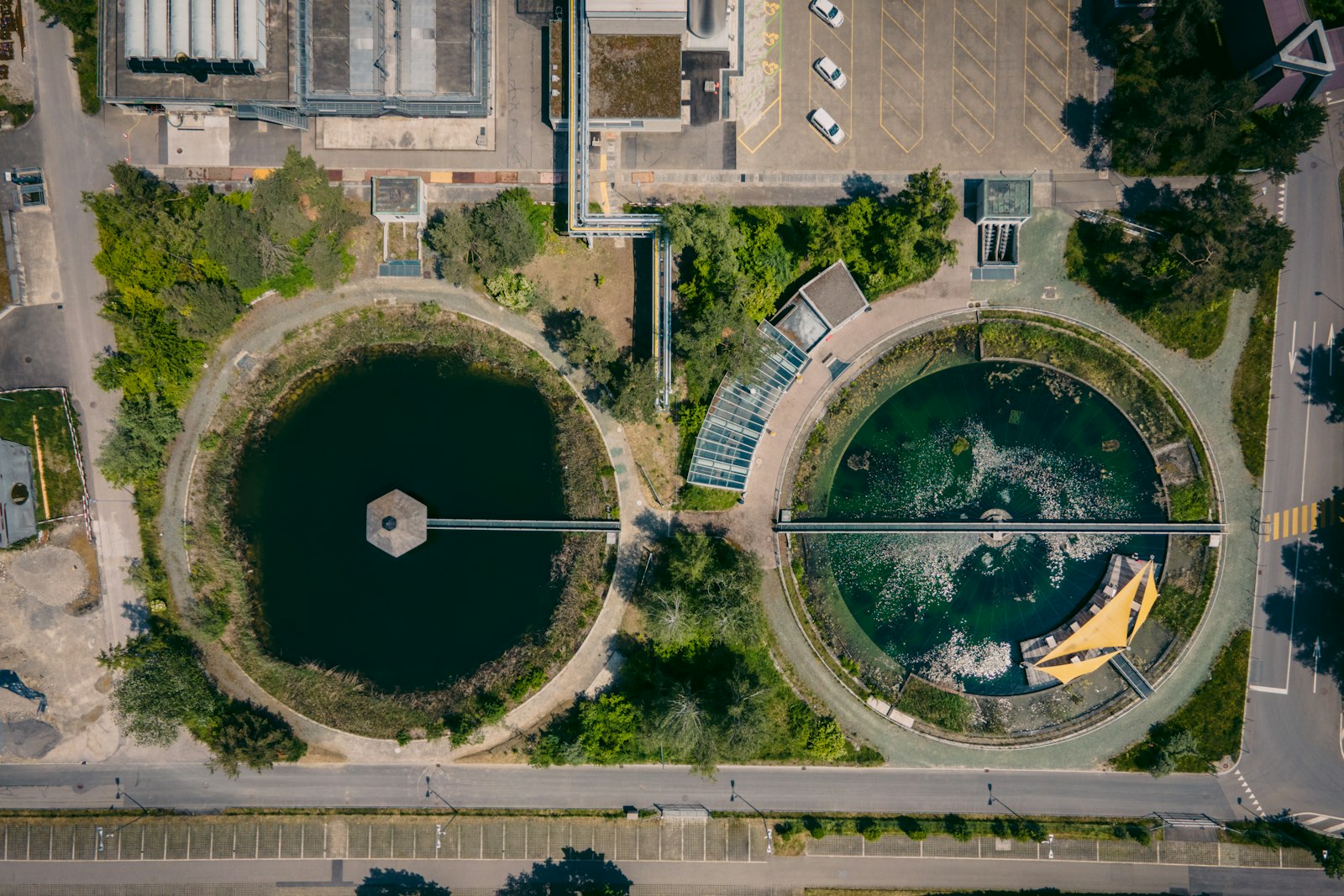
Network bursts alongside SCADA
On networks, data is read from SCADA and historians. Control stays with SCADA while Aqueduct flags the burst and the zone.
Learn moreRelated
Common questions
A leak is usually small and continuous. A burst is a sudden, large loss. Aqueduct catches both, but bursts are found from rate of change and leaks from the balance and night flow over time.
No. Isolation happens only where a controllable valve is connected and control is enabled, and only with owner approval. Every command is logged.
Detection and location still work. The alert and ticket tell your team which section to isolate by hand.
Yes. Aqueduct reads zone and pressure data from SCADA and historians. Control stays with SCADA.
See Aqueduct on your own facility.
Bring a site, a utility bill or a question. We will show you where the loss is.