Water and energy management for jails and detention centers that never close
Correctional facility water and energy management means measuring a jail that runs around the clock, from cell plumbing, showers, kitchens and laundry to air handlers and boilers. Aqueduct balances water per housing unit, baselines energy against weather and population, flags floods, leaks and drifting plant, routes fixes to your maintenance team, and verifies each saving at the meter, without touching security systems.
A facility that never closes, measured every hour, with the crew sent to the right door.
Floods, leaks and stuck fixtures found the night they start
- Unit by unit balance
Water per housing unit, kitchen and laundry reconciles against the main meter every interval.
- Night flow watched
Flow above the expected night baseline points to a running fixture or a leak in a specific pod.
- Priced per month
Each loss carries a monthly cost from your water and sewer rates, so repairs are ranked by value.
Air handlers and boilers held to target around the clock
- Component states
Air handler fans, dampers and valves are shown as states, with command against feedback.
- Weather normalized
Energy is compared with a baseline adjusted for weather, so drift stands out from a cold week.
- Early signs of failure
aQ PredictIQ reads vibration and energy drift on fans and pumps before they fail.
Maintenance sent to the exact location with the evidence
- Location and trace
Each ticket carries the housing unit, the asset and the trace, so escorts are scheduled once.
- Routed to your CMMS
Work goes into the county CMMS with a recommended fix. Your crew manages the work.
- Confirmed at the meter
After the repair, the meter confirms the loss stopped or the plant recovered.
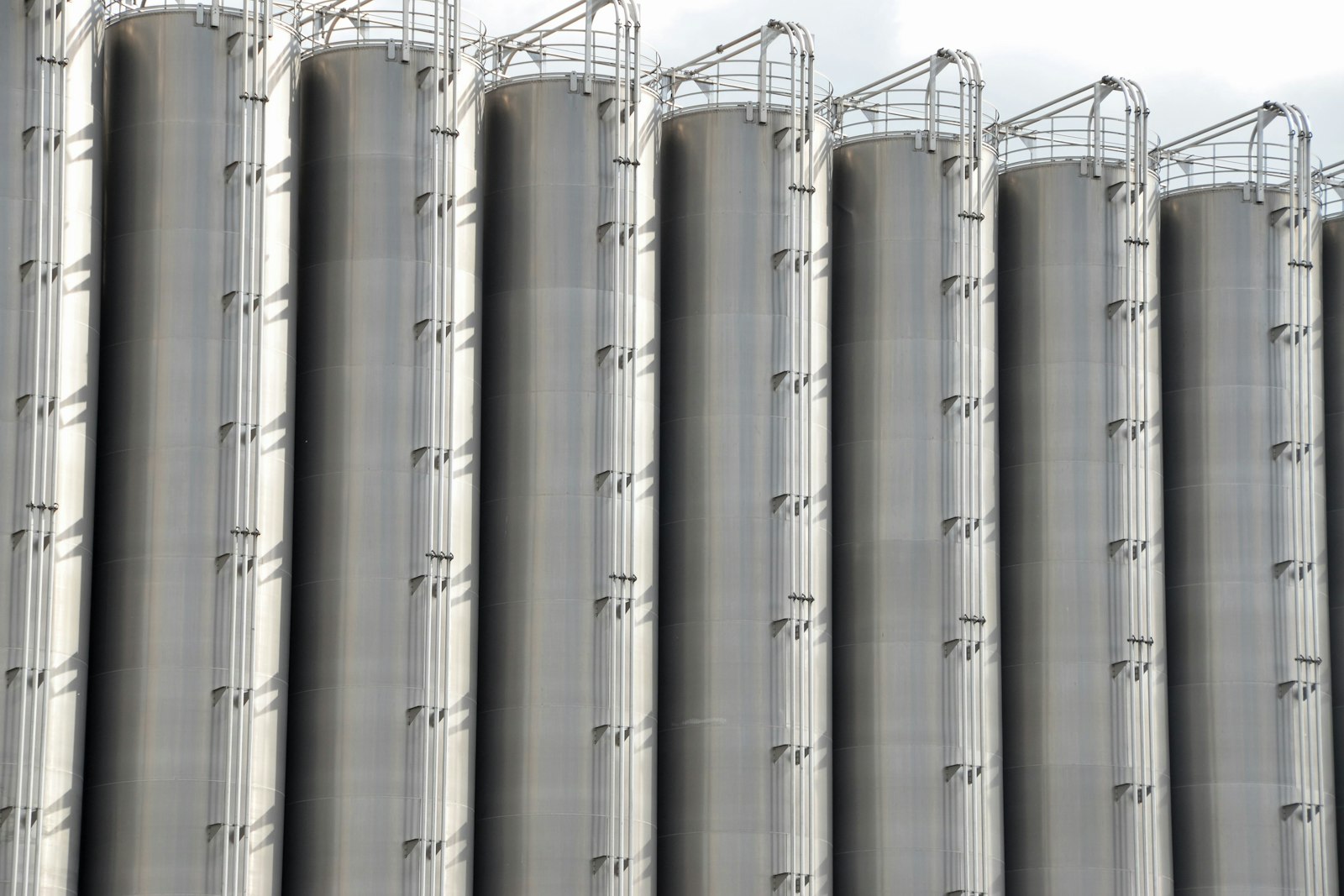
Running a detention facility, before and after Aqueduct
- The water bill is the only sign of a flood or leak.
- Staff find a running fixture on the next round.
- Air handlers drift for months in occupied housing units.
- Maintenance walks the facility to find where the problem is.
- Budget requests rest on last year's bill, not measurements.
 The Aqueduct way
- Housing unit water is balanced every interval.
- Continuous night flow raises an alert that night.
- Faults and drift are flagged against a weather normalized baseline.
- Tickets carry the unit, asset and trace before anyone moves.
- Budget requests rest on measured, verified use per building.
Why jails are among a county's costliest buildings to run
A detention center is occupied every hour of every day, with plumbing and plant that are hard to reach and harder to take offline.
Water use that never stops
Showers, cell fixtures, kitchens and laundry run around the clock, so a leak or a stuck valve runs around the clock too.
Floods and fixture misuse
Cell fixtures can be flushed repeatedly or blocked, flooding a housing unit before staff can respond.
Plant that cannot be switched off
Air handlers and boilers serve occupied housing units continuously, so drift and faults cost money every hour.
Maintenance behind secure doors
Every repair needs escorts and scheduling, so the crew has to know exactly where to go before it goes.
What Aqueduct measures in a detention facility
Meters and BMS points are read where they exist. New sensing goes in through partners, outside secure areas wherever possible.
| Area | Measured | What Aqueduct derives |
|---|---|---|
| Housing units | Water per unit or pod, flow by time of day, plumbing controller data where fitted | Water per occupant, flood events, continuous flow at night |
| Kitchen | Water, hot water, gas and refrigeration power | Use per meal served where counts are shared, walk-in cooler excursions |
| Laundry | Water, hot water, gas or steam, dryer power | Use per load or per shift, hot water heater performance |
| HVAC and boilers | Air handler states, supply and return temperatures, boiler fuel, chiller power | Faults, setpoint drift and plant efficiency against weather |
| Site supply | Main water meter, electricity and gas utility meters | A water balance and weather normalized baseline for the whole facility |

A building that never closes deserves utilities that are never left unwatched.
Talk to our teamOne night, start to finish
An illustrative incident in a housing unit.
Water meters on each housing unit report into the water digital twin through the night.
Night flow in one unit holds far above its expected baseline after lights out.
The pattern points to a fixture running continuously in one pod. Aqueduct prices the loss per month.
An alert reaches the shift supervisor and a ticket goes to maintenance with the pod and the trace.
After the repair, night flow returns to baseline and stays there. The reading becomes the new baseline.
Where Aqueduct fits in a secure facility
- Monthly bill review as the only water signal
- Energy management systems
- Water management systems
- CMMS
- BMS
- Plumbing control systems, read only
- County financial systems through export
Aqueduct does not touch security, door control, detention electronics or video. It can run read only, and on-prem where the county requires it.
Where teams put it to work
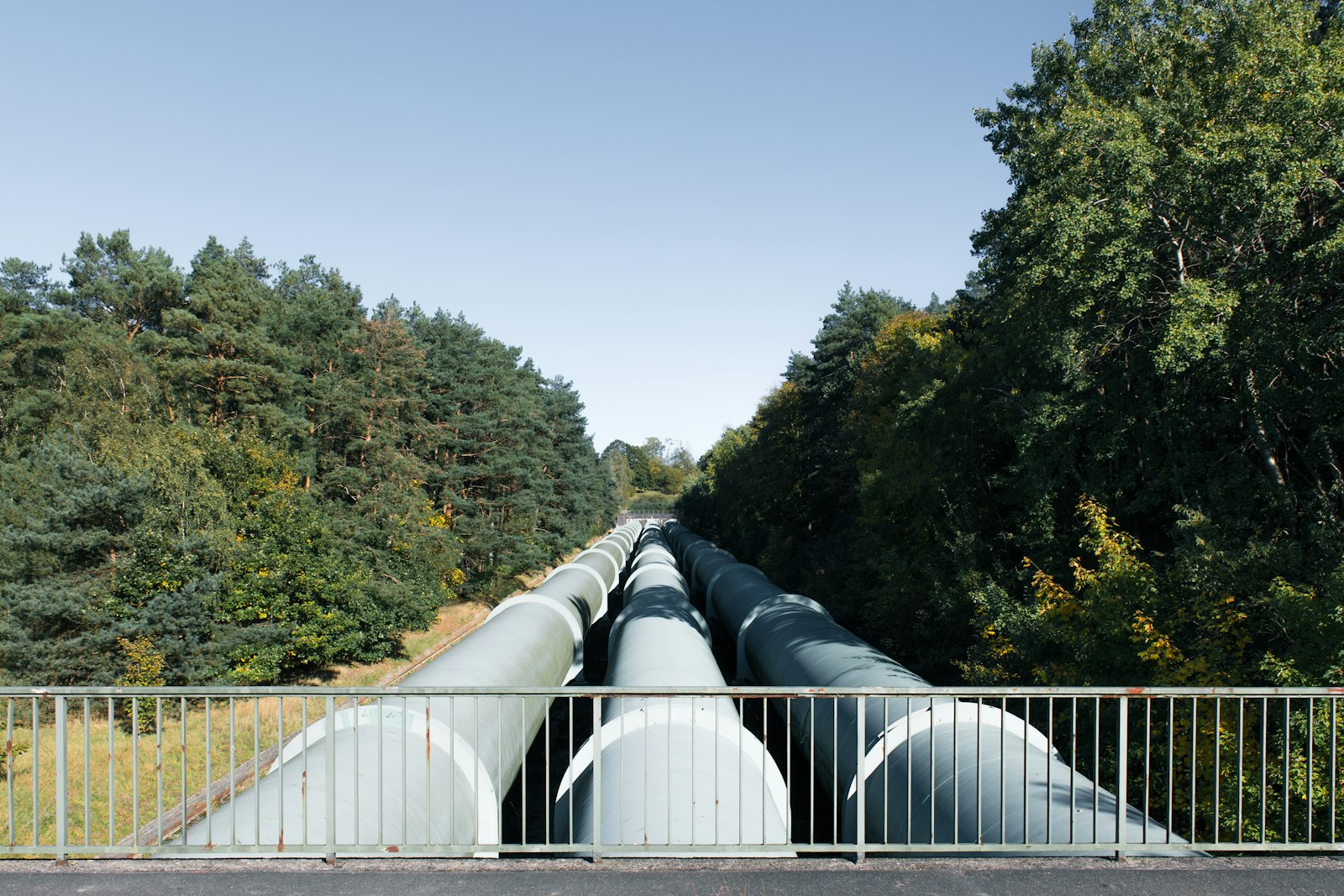
Water per pod, every night
Water is metered per housing unit, so continuous flow, floods and fixture faults are found the night they start, with the pod named.
Learn more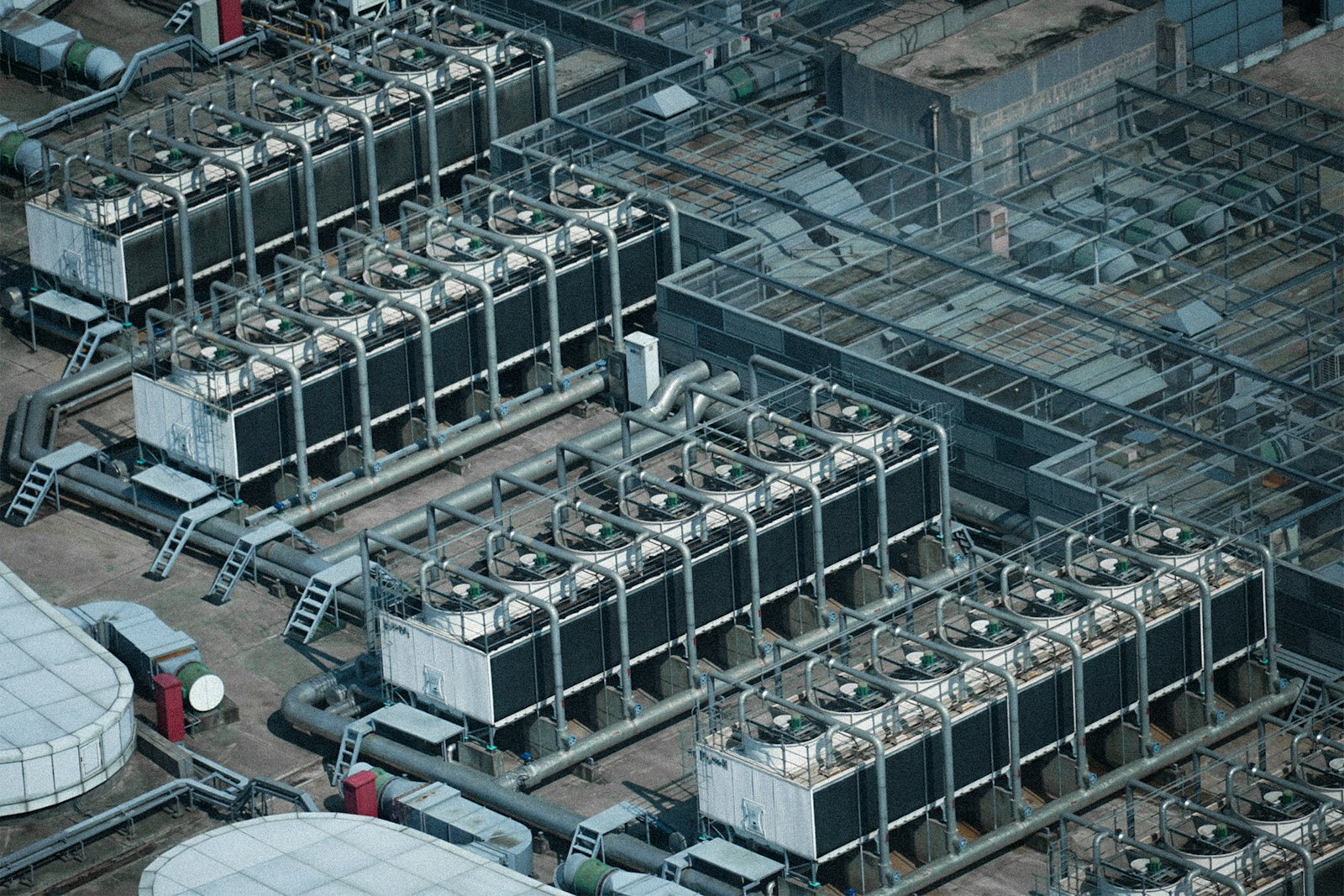
Hot water and gas per shift
Kitchen and laundry water, hot water and gas are baselined per shift, so a failing heater or stuck valve shows up in days.
Learn more
Measured numbers for the board
Each facility carries a verified baseline and a record of what was fixed, so budget requests rest on measured use.
Learn moreRelated
Common questions
Jails are occupied around the clock, with showers, cell fixtures, kitchens and laundry serving the full population every day. Fixture misuse, leaks and stuck valves add to that, and they run continuously too, which is why Aqueduct measures water per housing unit.
Start by metering water per housing unit, kitchen and laundry, then compare each against its own baseline. Aqueduct flags continuous night flow, flood events and drifting use, routes each to maintenance with the location, and confirms the fix at the meter.
Aqueduct can read data from electronic plumbing controllers where they expose it, alongside water meters. It does not change their settings. Control of fixtures stays with the facility's own system.
No. Aqueduct covers water, energy, HVAC and air. Security, door control, detention electronics and video stay entirely separate.
Yes. Aqueduct can run in the AWS cloud or on-prem, with on-prem AI on NVIDIA infrastructure, and can run read only with an outbound data path where the county requires it.
Each facility gets a baseline built by regression on its historical use and cooling and heating degree days, from 6 to 12 months of bills. Savings are measured as the difference between adjusted baseline and actual use, not estimated.
Installation runs through partners who work to the facility's security procedures. Aqueduct is device agnostic, so existing meters are read first and new ones go outside secure areas wherever the piping allows.
See Aqueduct on your own facility.
Bring a site, a utility bill or a question. We will show you where the loss is.