Energy, water and air management for county facilities.
County facilities energy management means measuring each courthouse, jail, office and depot against its own weather-normalized baseline, then acting on the gap. Aqueduct does that across the whole county estate, routes fixes to your crew, and verifies every saving at the meter, including water loss on county-run systems.
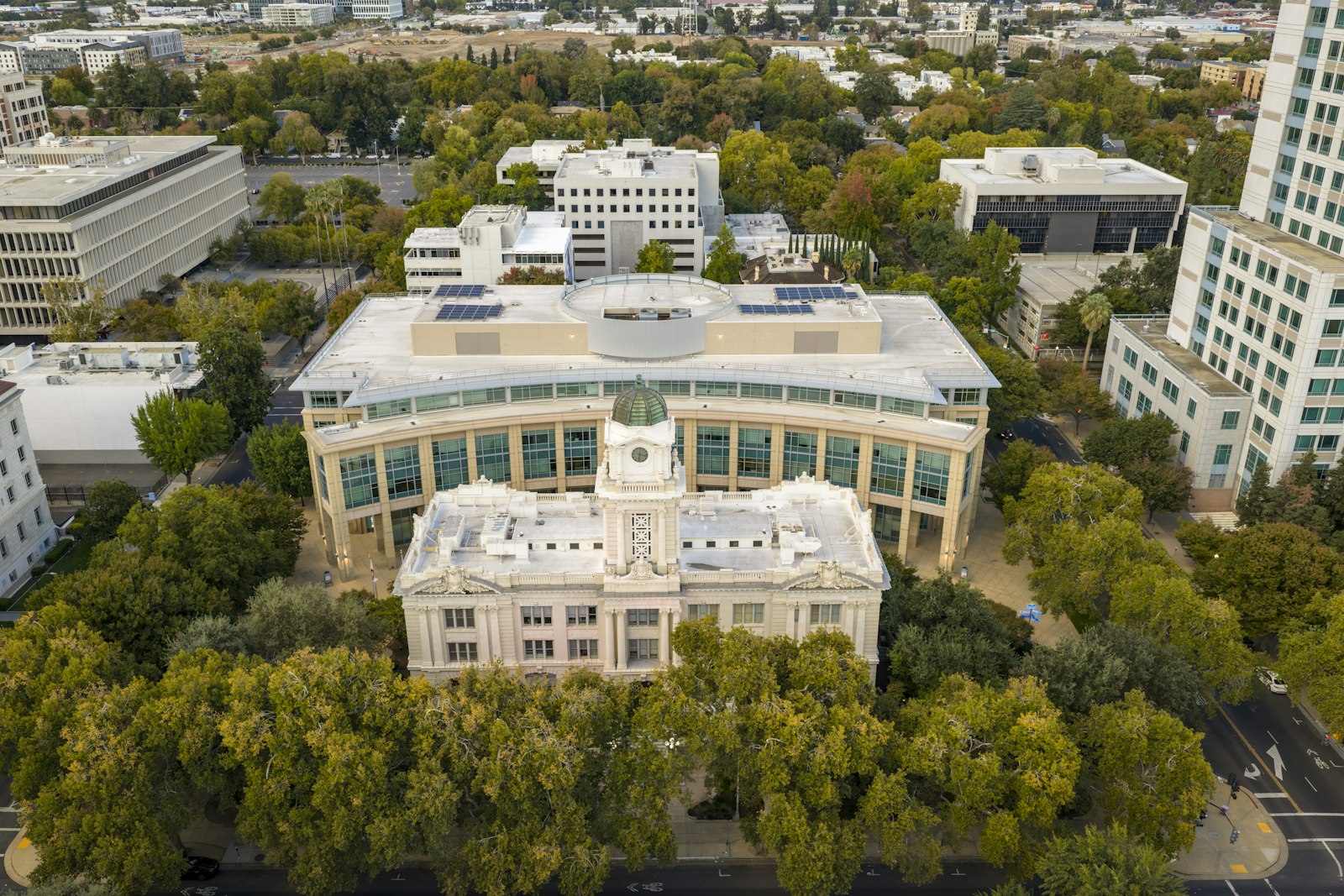
Run every courthouse, jail, office and depot against its own baseline, with one team.
Jails and detention centers measured around the clock
- Water by use
Showers, kitchens and laundry water are reconciled against the main, so continuous waste is found quickly.
- Night flow watched
Flow during quiet hours is compared with baseline, so a running fixture stands out by morning.
- Plant kept running
Early signs of failure on pumps and air handlers schedule maintenance before a housing unit loses service.

Chillers, boilers and air handlers ranked by drift
- Drift from baseline
Older plant is compared with its own weather-normalized baseline, so drift is caught before it fails.
- Faults diagnosed
Faults arrive with the likely cause and recommended fix, routed into the county's CMMS.
- After-hours load
Load after hours is flagged, and schedules corrected where control is enabled, with owner approval.
Every county building on one platform, one report
- Ranked by waste
Buildings are ranked by intensity and cost, so a small team works where it saves most.
- Bills on day one
Upload 6 to 12 months of bills and baselines are ready without waiting a season.
- Verified for the board
Savings are verified at the meter and exported monthly for the board of supervisors.

Running county facilities, before and after Aqueduct
- Forty buildings are covered by a small team walking rounds.
- Courthouse chillers drift until a hearing room overheats.
- Jail water use is one number on a monthly bill.
- After-hours load runs in offices nobody is using.
- Savings reported to the board are estimates.
 The Aqueduct way
- A small team works from a ranked list of real problems.
- Chiller drift is caught against baseline and routed with the fix.
- Jail water is reconciled by use, with night flow watched.
- After-hours load is flagged and corrected with approval.
- Savings reported to the board are verified at the meter.
What makes a county estate hard to run.
A county runs very different buildings on very different schedules, often with one facilities team and one budget.
Buildings that never sleep
Jails and detention centers run around the clock, with heavy water use from showers, kitchens and laundry. Waste there runs around the clock too.
Courthouses with aging plant
Older chillers, boilers and air handlers drift out of tune. After-hours load stays high long after the building empties.
Depots and yards with little metering
Fleet garages, wash bays and road depots sit on one meter, so nobody can see which use drives the bill.
County water systems losing supply
Where the county runs a water system, loss on mains and service lines shows up only when the annual audit is done.
Problem, solution, impact.
Four outcomes, one platform, every county building.
Courthouse and office loads run after hours, unseen.
Weather-normalized baseline per building, with after-hours load compared to occupancy schedules. Powered by aQ EnergySmart.
Waste shown in dollars per building, then verified when the schedule is corrected.
Detention facilities and county water systems lose water between bills.
Live water balance per building, and night flow baselined per district on county networks. Powered by aQ WaterGuard.
Unaccounted flow flagged as it starts, with the fix confirmed at the meter.
Courtrooms and public offices fill and empty on unpredictable schedules.
CO2 and comfort per zone, overlaid with occupancy. Powered by aQ AirSafe.
Rooms ventilated for the people in them, not for an empty hall.
Deferred maintenance is ranked by who complains loudest.
Faults diagnosed in plain language, early signs of failure flagged, tickets routed to your CMMS.
A ranked list of drifting assets and verified closures for each one.
Built for every kind of county building.
Each building gets a baseline that fits how it is actually used.
Courthouses and justice centers
Chiller plants, air handlers and long public hours. After-hours load is the first place to look.
Jails and detention centers
Around-the-clock occupancy and heavy water use. Continuous water balance and comfort records.
Administrative offices
Office schedules, holidays and plug loads, baselined by building and floor.
Road and fleet depots
Wash bays, shop heating and yard lighting, sub-metered so each use carries its own number.
Libraries and community centers
Variable occupancy and public air quality, held to target while people are in the room.
County water and sewer systems
District metered areas and night flow, read alongside the SCADA the county already runs.
One incident, start to finish.
A courthouse chiller plant, followed through the five steps.
Meters, BMS points and the chiller plant at the county courthouse report into Aqueduct.
A weather-normalized baseline is built from 12 months of bills plus cooling degree days.
The chiller plant runs above baseline after hours on weekdays. The schedule does not match the court calendar.
The schedule is corrected with owner approval, and a ticket goes to the facilities crew to check a stuck valve.
After-hours load is back to baseline at the meter. The saving and the record are kept for the budget report.
A county estate should be run on measured evidence, building by building.
Talk to our teamCounty building automation: keep it, replace it, or build it in.
Three equal ways in. Pick the one that fits each building.
| Situation | Way in | What Aqueduct does |
|---|---|---|
| Building has a working BMS | Keep your BMS | Reads its points, baselines the building, flags faults and routes fixes. The BMS keeps running. |
| Controls have aged out or vendors no longer support them | Replace your BMS | Takes over schedules, setpoints and sequences through Modbus or BACnet field devices, or LoRaWAN relays for simple loads. |
| New courthouse, jail or depot in design | Build it in | Specified at design stage with your architects and MEP engineers, so metering and control are in from day one. |
The questions each county seat asks.
“Can it cover forty buildings with a small team?”
One portfolio view ranks every building against its own baseline. The crew starts with the site losing the most.
“Can I show the board a verified saving?”
Each saving is measured against a baseline modeled before the work and confirmed at the meter.
“Can it work in a secure facility?”
Aqueduct can run on-prem, with AI on NVIDIA infrastructure, where data must stay on site. Control only where enabled and approved.
“Can it show where our water system is losing supply?”
It baselines night flow per district metered area alongside your SCADA and AMI and flags the district where loss rises.
What it replaces and what it connects.
- BMS and BAS
- Energy management
- Water management
- FDD
- M&V
- CMMS and EAM
- IWMS
- SCADA (control stays with SCADA)
- AMI
- ENERGY STAR Portfolio Manager exports
Hardware installation is delivered through partners. Control is used only where enabled and with owner approval.
Rules and programs counties ask about.
Each links to its glossary entry.
Where teams put it to work
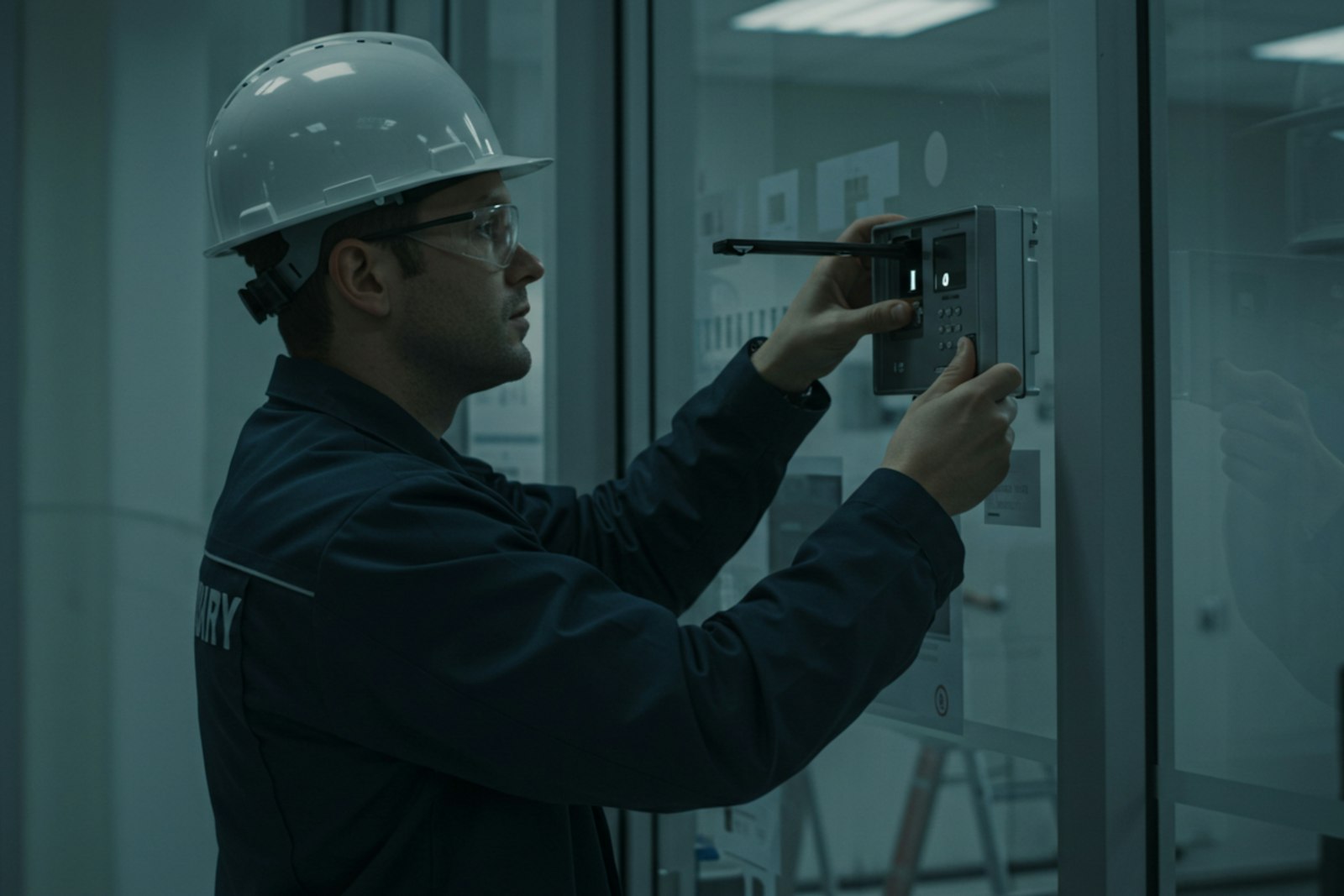
The worst buildings first
Every courthouse, office and depot ranked against its own baseline, so the team and the budget go where waste is highest.
Learn more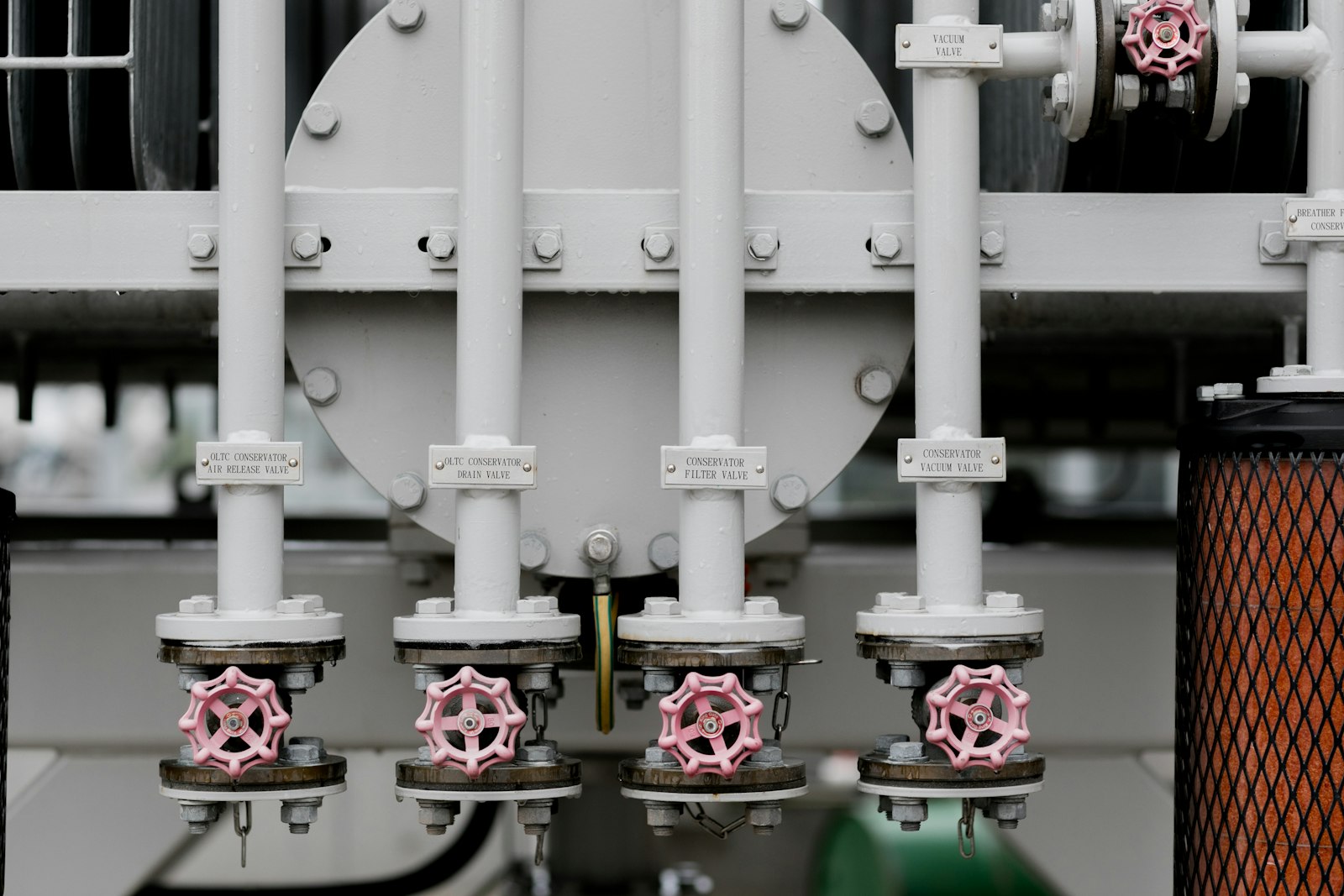
Around-the-clock water, accounted for
Showers, kitchens and laundry reconciled against the main, with night flow compared with baseline so leaks are found within days.
Learn more
Data kept on county systems
Cloud or on-prem deployment, with on-prem AI on NVIDIA infrastructure, so county data stays where county rules say it must.
Learn moreGuides for every part of a county estate
Three guides to the buildings and systems counties run.
Jails and detention centers
24/7 facilities with water per housing unit, kitchens, laundry and HVAC measured every hour.
Learn moreCourthouses and civic buildings
Courthouses, administration buildings and libraries run to the public calendar, benchmarking ready.
Learn morePublic works and water
County water and sewer systems, pump stations and AWWA M36 audit data, alongside SCADA.
Learn moreOne platform for county buildings and county water
Many counties run both a building estate and a water or sewer system. Aqueduct puts both on one data layer, with separate views for the facilities crew and the utility team, so a courthouse chiller and a pump station sit on the same platform without sharing a screen.
Every building and district gets its own baseline. Savings and recovered water are verified at the meter before they are reported to the board, and the measured record supports funding applications and benchmarking without a deadline scramble.
Related
Common questions
It is measuring each county building against a baseline, finding where energy is wasted, acting on it and proving the saving. Aqueduct does this per building using weather-normalized baselines and verifies results at the meter.
It can. Aqueduct can replace a BMS or BAS where controls have aged out, or work across the one you have. Both are equal ways in.
Yes. It baselines night flow per district metered area alongside your SCADA and AMI and flags where loss rises. It supplies measured volumes for your water audit; your team completes and files it.
Yes. Aqueduct can be deployed on-prem, with on-prem AI on NVIDIA infrastructure, for sites where data must stay inside.
A site survey of one facility. Bring 12 months of bills or a meter list, and the baseline can be ready on day one.
See Aqueduct on your own facility.
Bring a site, a utility bill or a question. We will show you where the loss is.