Measured data for public funding applications by counties, cities and utilities.
Public funding programs for energy and water projects generally ask applicants to describe the current condition and, later, to report what the project achieved. Aqueduct supplies a measured baseline before the project and verified results after it; it does not give funding advice or determine eligibility.

Bring a measured baseline to the application, and verified results to the report.
Describe the current condition with measured data
- Measured baseline
Energy and water use per facility or district are measured, not estimated, before the project starts.
- Bills on day one
Upload 6 to 12 months of bills and a weather-normalized baseline is ready for the application.
- Losses with addresses
Water loss is localized by district, so a project scope rests on where the loss actually is.
Track progress against the baseline as work happens
- Progress by site
Each site's use is compared with its adjusted baseline as measures are installed.
- Faults routed
Faults that undercut a measure are diagnosed and routed into your CMMS with the fix.
- Commands on record
Where control is enabled, with owner approval, every schedule and setpoint command is logged.
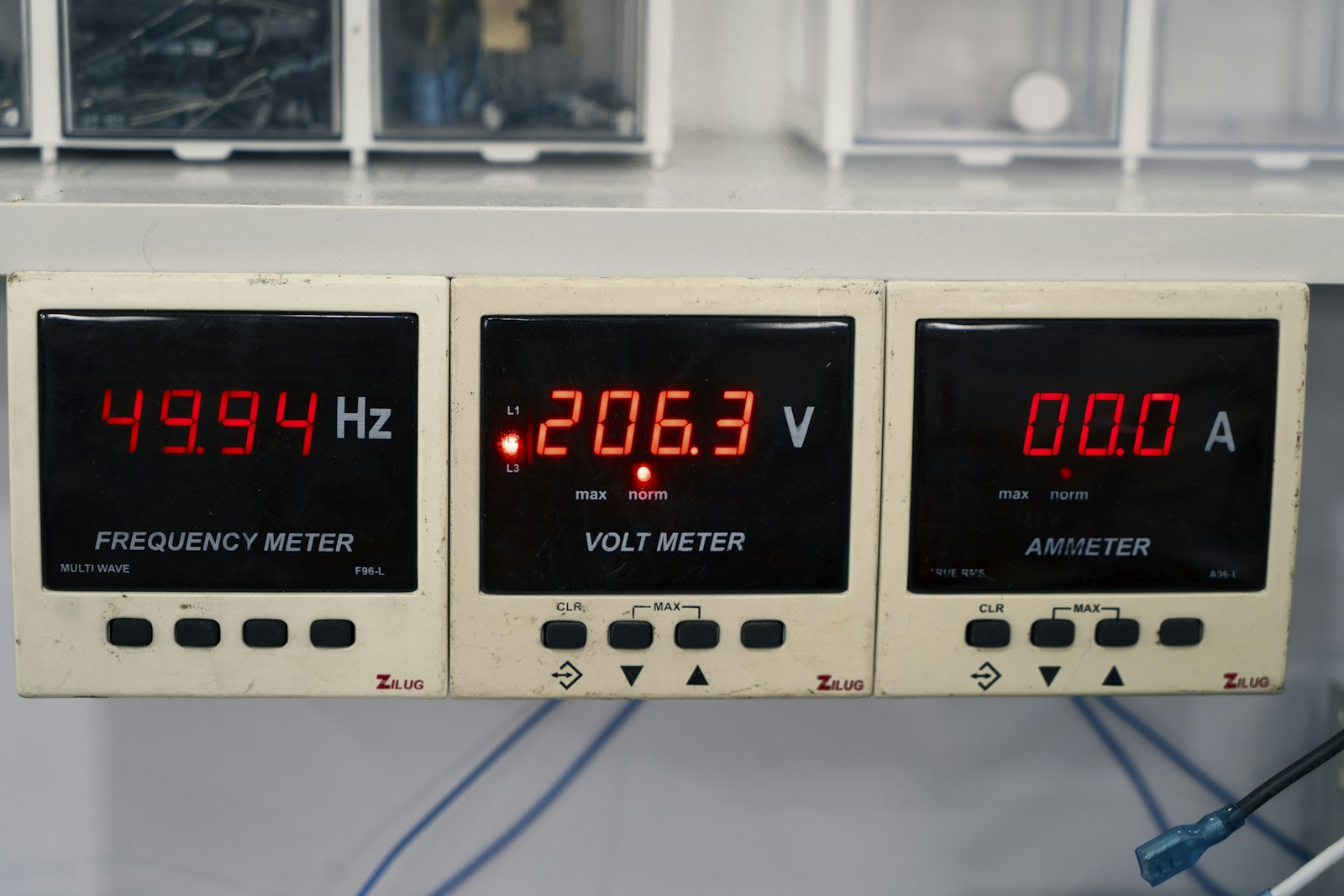
Report what the project achieved, verified at the meter
- Verified results
Results are measured against the adjusted baseline and stated in volume and money.
- Monthly metrics export
Verified metrics export monthly, ready for the reporting the program asks for.
- Your team files
Milvian AI supplies the measured data, and your team prepares and submits the application and reports.
Funding a project, before and after Aqueduct
- The application describes current conditions from old estimates.
- Project scope is set before anyone knows where loss is.
- Progress during the project is invisible until the end.
- Post-project reports rely on engineering calculations.
- Data for reporting is gathered by hand from many systems.
 The Aqueduct way
- The application describes current conditions from measured data.
- Project scope rests on measured, localized loss.
- Progress is tracked against the baseline as work happens.
- Post-project reports rely on results verified at the meter.
- Reporting data exports monthly from one platform.
What this page is, and what it is not.
Counties, cities and utilities often pay for energy and water projects with help from federal and state programs. Those programs have their own rules, cycles and reviewers, and they change. This page explains only how measured data can support an application and the reporting that follows.
Milvian AI does not provide funding advice. We do not say whether you are eligible, which program to apply to, how much you could receive or how to write an application. Check the current program rules with the administering agency, and use your own grants staff or advisors for those decisions.
Programs public owners ask about.
General descriptions only. Check the current program rules with the administering agency.
| Program | What it is, in general | What measured data can support | Glossary |
|---|---|---|---|
| Energy Efficiency and Conservation Block Grant (EECBG) | US Department of Energy grants to states, local governments and tribes for energy efficiency projects | A measured baseline before the project and a verified saving after it | Energy Efficiency and Conservation Block Grant (EECBG) |
| State revolving funds | Federal and state financing for water infrastructure, run by each state | Measured water loss per district before the project and verified reduction after it | Drinking Water State Revolving Fund and WIFIA |
| WIFIA | Federal financing for water infrastructure projects | The measured baseline and verified results that applications and post-project reporting ask for | Drinking Water State Revolving Fund and WIFIA |
| Performance contracts | Energy savings and utility energy service contracts that pay for upgrades from measured savings | A baseline modeled before the claim and savings confirmed at the meter | ESPC and UESC performance contracts |
Where applications and reporting get stuck.
The data problems are similar across programs.
No baseline before the project
The current condition is described from bills or estimates, because nothing was measured.
Loss without a location
A water project is easier to describe when you know which district is losing the most.
Savings reported as estimates
After the project, results are modeled rather than measured, and reviewers ask questions.
Data rebuilt for each report
Every progress report means pulling the same numbers together again.
How measured data supports the project cycle.
The same loop that runs operations produces the record. Every verified result becomes the new baseline.
Monitor
Connect meters, SCADA and AMI data, or upload 6 to 12 months of utility bills.
Measure
Build a weather-normalized baseline per building, or a night flow baseline per district, before the project starts.
Identify
Show where energy or water is lost and what it costs, using your own rates.
Act
Carry out the project. Aqueduct routes related fixes to your CMMS and tracks commissioning.
Verify
Confirm the result at the meter against the pre-project baseline, and keep the record for reporting.
Public funding should buy measured results, and the data should show them.
Talk to our teamWhat Aqueduct supplies.
Measured inputs. Your team writes and submits the application.
A measured baseline
Energy per building or water loss per district, normalized for weather, before the project.
Loss with a location
The buildings and districts losing the most, ranked.
Cost of the gap
The usage gap turned into money through rate configuration from your bills.
Verified results
Savings confirmed at the meter against the pre-project baseline, with the record kept.
The questions each seat asks.
“Can you tell us if we qualify?”
No. We do not give funding advice or eligibility guidance. We supply measured data your team can use.
“Can we show where the water loss is before we ask for money to fix it?”
Yes. Aqueduct baselines night flow per district and ranks where loss sits.
“Can we report results without a consultant rebuilding the data each time?”
Verified results are kept against the pre-project baseline, ready for each report your team prepares.
Related glossary entries.
Each links to its glossary entry.
Where teams put it to work
Efficiency projects with a measured baseline
Weather-normalized baselines before the project and verified savings after it, stated in volume and money for program reporting.
Learn more
Water loss projects with addresses
Loss localized by district before the project and verified after each repair, ready for water loss project reporting.
Learn more
A scoped pilot to start
Start with one facility or one district, bought through your normal procurement route, and deployed in the cloud or on-prem.
Learn moreRelated
Common questions
No. Milvian AI does not provide funding advice, eligibility guidance or application writing. Aqueduct supplies measured data your team can use.
We do not make eligibility claims. Check the current program rules with the administering agency.
A measured baseline before the project, the location and cost of the loss, and verified results after it.
Upload 6 to 12 months of utility bills and Aqueduct builds the baseline on day one. A metered baseline needs at least 6 months of data.
Yes. Results are verified at the meter against the pre-project baseline and the record is kept. Your team prepares and submits the report.
See Aqueduct on your own facility.
Bring a site, a utility bill or a question. We will show you where the loss is.