BREEAM energy, water and air evidence, sub-metered and recorded
BREEAM is BRE's sustainability assessment method for buildings, with schemes for new construction, refurbishment and buildings in use, rated from Pass to Outstanding. Its energy, water and health categories reward sub-metering, monitoring and measured performance. Aqueduct supplies sub-metered energy and water, leak detection and zone air quality records. A licensed BREEAM assessor prepares and submits the assessment.

Sub-metering and monitoring designed in, then proven every day in use.
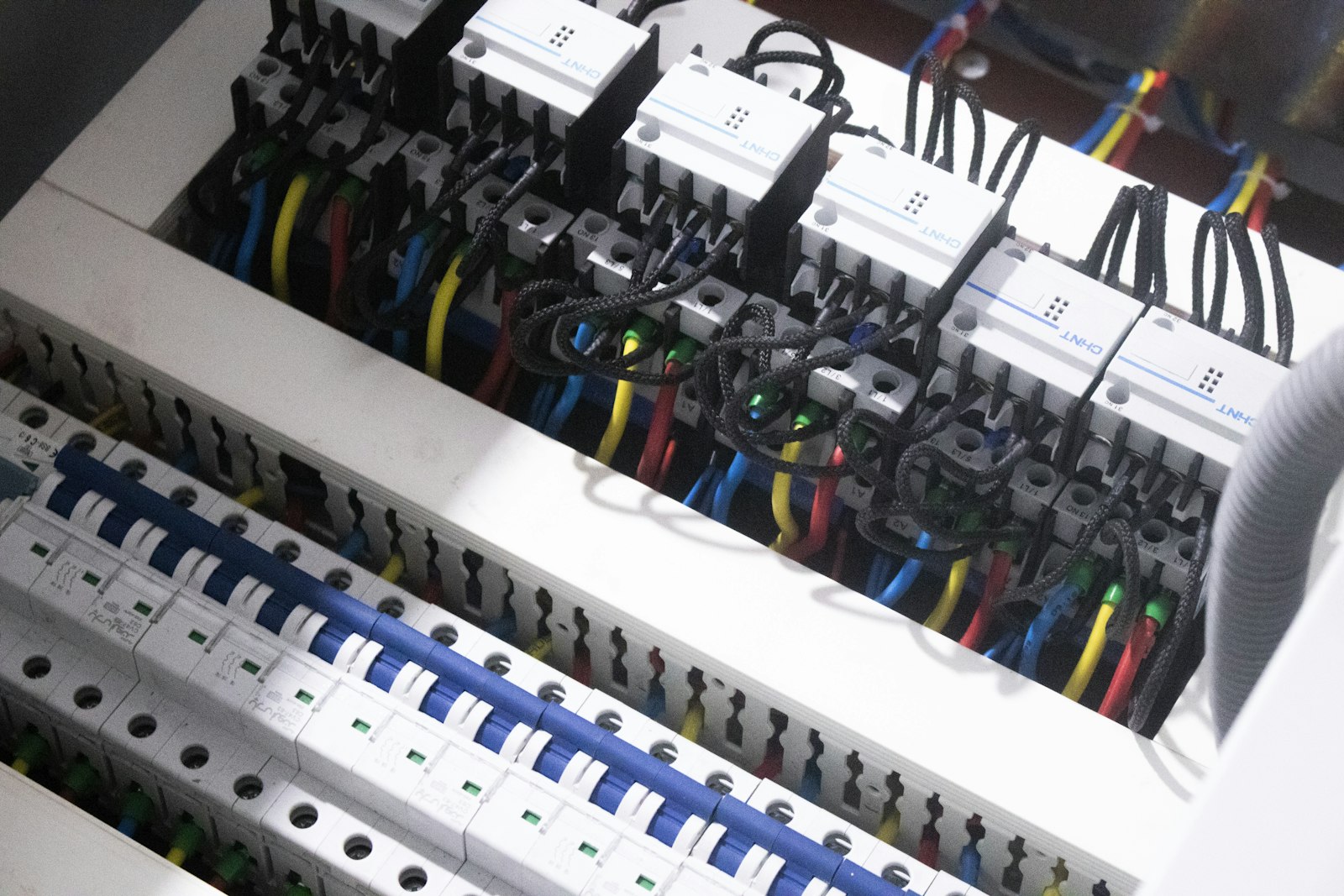
Every major end use and tenant area metered
- End uses split
HVAC, lighting, plugs and services are metered as separate terms in the energy balance.
- Tenant areas
Shared and dedicated meters show each tenant's measured share of consumption, not an estimate by floor area.
- Performance in use
Consumption is compared with a weather-normalized baseline every month, so seasons do not hide drift.
Water monitored and leaks found from the balance
- Live balance
Main supply is reconciled against floors, plant and loss on a 60-second refresh.
- Leaks localized
Unaccounted loss is narrowed to the line or node and priced from your bills.
- Repairs verified
After repair, the balance confirms the loss stopped before the finding closes.

Air quality and maintenance records ready for the assessor
- Zone air records
CO2, particulates, VOCs, temperature and humidity are recorded continuously in every zone a sensor covers.
- Faults routed
Findings go into your CMMS with a recommended fix, and closures are read back.
- Command history
Every control command is logged with whether it executed on the device.
BREEAM evidence, before and after Aqueduct
- Sub-meters are installed for the credit, then never read.
- Water leaks surface as damp ceilings, not data.
- Energy in use is compared with the design estimate once.
- Air quality is a single test before handover.
- The assessor waits weeks for records from site.
 The Aqueduct way
- Every sub-meter reports into one live energy balance.
- Leaks show up as unaccounted loss in the water balance.
- Energy in use is tracked against a normalized baseline monthly.
- Air quality is recorded per zone every occupied hour.
- Records export by site and period on request.
What BREEAM is and who it applies to
BREEAM was launched in the UK by the Building Research Establishment (BRE) in 1990 and is used in many countries. It assesses buildings across categories including management, health and wellbeing, energy, transport, water, materials, waste, land use and ecology, and pollution. Ratings run from Pass through Good, Very Good and Excellent to Outstanding.
Different schemes cover different stages. BREEAM New Construction assesses design and construction, and its energy and water categories reward sub-metering and leak detection. BREEAM In-Use assesses existing buildings on asset performance and management, with measured operational data playing a growing role.
Assessments are carried out by licensed BREEAM assessors, and certification is issued by BRE. Building owners use the rating to show investors and occupiers that an asset is efficient and well run.
BREEAM requirement areas and the evidence Aqueduct supplies
Aqueduct supplies metering and monitoring evidence. Your assessor maps it to the scheme.
| Requirement area | Evidence Aqueduct supplies |
|---|---|
| Energy monitoring and sub-metering | Sub-meters on major end uses and tenant areas, on a live electrical twin |
| Energy performance in use | Metered consumption against a weather-normalized baseline, with verified savings |
| Water monitoring | Main and sub-metered water reconciled in a live water balance |
| Water leak detection | Unaccounted loss tracked against baseline, with leaks localized and routed for repair |
| Indoor air quality | CO2, particulates, VOCs, temperature and humidity per zone, recorded continuously |
| Management and maintenance | Fault findings routed to your CMMS, verified closures and command history |
How Aqueduct supplies BREEAM evidence
Design in the meters, then keep the evidence flowing in use.
Specify at design
Architects and MEP engineers can specify Aqueduct metering and control paths at design stage, so sub-metering is in place from handover.
Meter and balance
Energy and water meters report on a 60-second refresh, and the balances reconcile supply with use.
Find leaks and faults
Leaks, energy drift and air excursions become findings routed to your CMMS with a recommended fix.
Verify and export
Savings are verified at the meter, and records export for your assessor.

A rating earned at design should still hold true years into operation.
Talk to our teamWhat stays with your assessor and team
Aqueduct is the evidence source, not the assessor.
Assessment
A licensed BREEAM assessor evaluates the building against the scheme and compiles the evidence.
Certification
BRE issues certification. Aqueduct does not certify buildings.
Other categories
Transport, materials, waste and ecology rely on evidence outside Aqueduct's scope.
Related programs
Often pursued alongside BREEAM.
Where teams put it to work
Metering specified at design stage
Developers pursuing BREEAM New Construction specify Aqueduct metering and controls paths with their MEP engineers, so evidence exists from handover.
Learn more
BREEAM In-Use on measured data
Owners of existing offices use continuous energy, water and air data to support BREEAM In-Use assessments and reassessments.
Learn more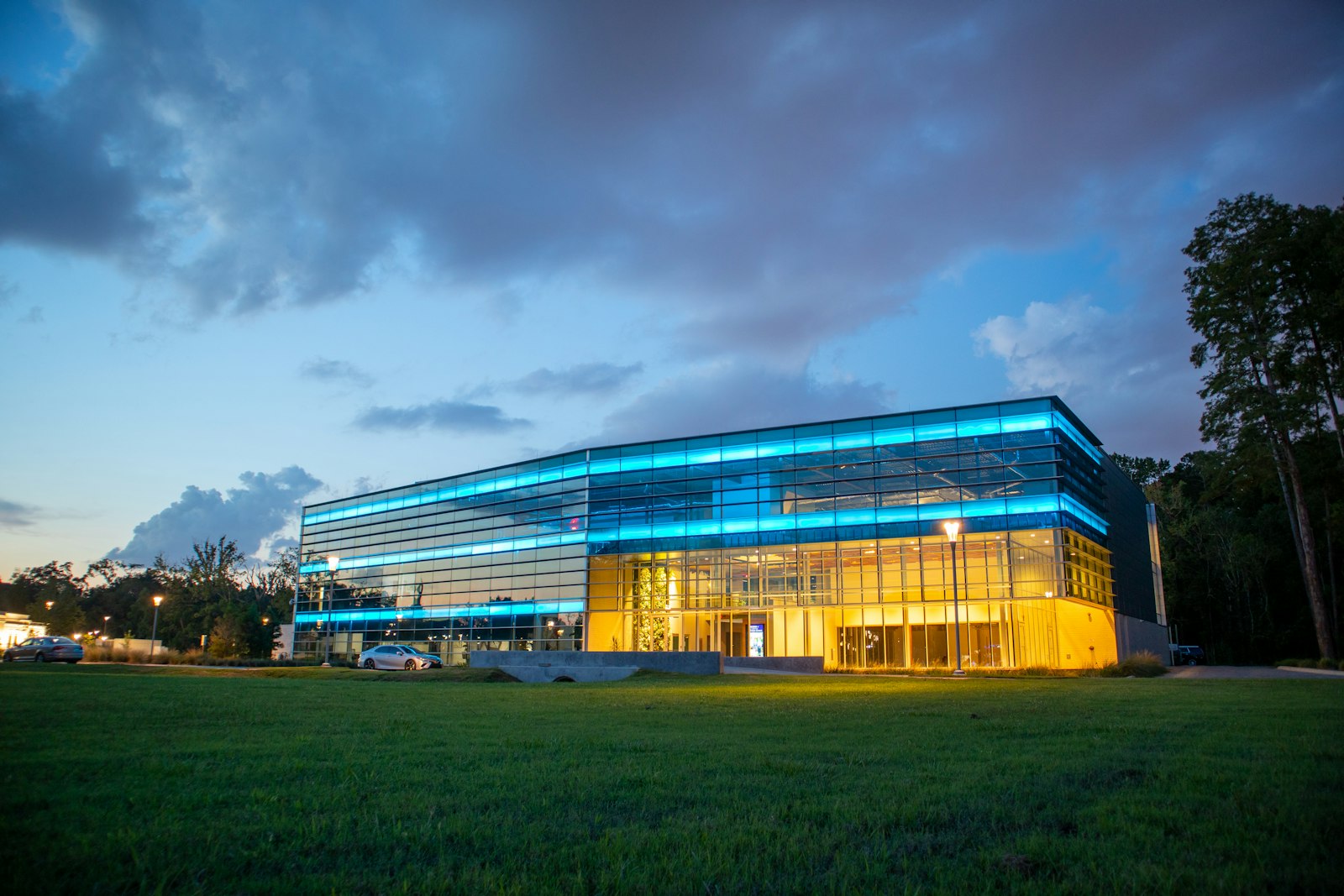
Measured performance in hot climates
Developments in the Middle East pursuing BREEAM meter cooling energy and water closely, where both drive operating cost.
Learn moreThe BREEAM issues that depend on metering and monitoring
BREEAM New Construction scores issues across categories, and BREEAM In-Use assesses buildings in operation. Several issues depend directly on metering. Issue codes below follow recent New Construction versions; check the scheme manual for your version.
Ene 02 Energy monitoring
Rewards sub-metering of major energy uses and, at higher levels, of tenancies or function areas, connected to a system that lets users monitor consumption.
- Sub-meters on heating, cooling, lighting, small power and other major uses
- Tenancy or area sub-metering
- Data accessible to the building user
- Data needed
- energy by end use and area
- Source
- CT sub-meters, BMS points
- Aqueduct
- end-use and tenant views
Wat 02 Water monitoring
Rewards a water meter on the mains supply and sub-meters on major water uses, connected so consumption can be monitored.
- Mains meter with pulse or data output
- Sub-meters on major uses
- Connection to a monitoring system
- Data needed
- water by use
- Source
- main and sub-meters
- Aqueduct
- water balance by use
Wat 03 Water leak detection
Rewards a leak detection system that can find major leaks on the mains supply and within the building, plus flow control in sanitary areas.
- Leak detection on the incoming supply
- Alerts when flow exceeds expected patterns
- Flow control on sanitary supplies
- Data needed
- flow against expected
- Source
- main and zone meters
- Aqueduct
- leak alerts by zone
Hea 02 Indoor air quality
Covers ventilation, pollutant sources and, in some cases, CO2 or air quality sensing linked to ventilation.
- CO2 per occupied zone
- Ventilation response to occupancy
- Post-completion testing records
- Data needed
- zone IAQ
- Source
- AirSafe sensors
- Aqueduct
- per-zone records
Man 04 and Man 05 Commissioning and aftercare
Reward commissioning, handover and aftercare, including monitoring energy and water performance after occupation and seasonal commissioning.
- Seasonal commissioning checks
- Energy and water performance after occupation
- Comparison with design predictions
- Data needed
- first-year performance
- Source
- meters and BMS
- Aqueduct
- performance against design
BREEAM In-Use
Assesses existing buildings on asset performance and management, with energy and water consumption central to the score.
- Measured consumption over the period
- Sub-metering and monitoring in place
- Management of leaks and faults
- Data needed
- measured performance
- Source
- all meters
- Aqueduct
- exports for the assessor
From design stage credits to In-Use performance
For new projects targeting metering issues, and existing buildings pursuing BREEAM In-Use.
Specify meters with a data path
Specify sub-meters for Ene 02 and Wat 02 together with the protocol and gateway that deliver data to Aqueduct.
Commission devices
aQ Atria tags each meter to its zone, and device health confirms data before handover.
Aftercare on live data
Seasonal checks and first-year performance use measured data, so faults are fixed under defects liability.
In-Use ready
The same meters supply BREEAM In-Use evidence, tenant reporting and leak response.
BREEAM issues mapped to meters and sensors
Confirm issue codes and criteria in the manual for your scheme and version.
| BREEAM issue | What to measure | Meters and sensors | Aqueduct output |
|---|---|---|---|
| Ene 02 major uses | Heating, cooling, fans, lighting, small power | CT sub-meters, heat meters | End-use trends |
| Ene 02 tenancy metering | Energy per tenancy or area | Tenant sub-meters | Tenant views and billing data |
| Wat 02 mains | Incoming water | Mains meter with data output | Interval water data |
| Wat 02 major uses | Water by major use | Sub-meters on cores, plant, irrigation | Water by use |
| Wat 03 leak detection | Flow against expected | Mains and zone meters | Leak alerts |
| Hea 02 indoor air | CO2 and air quality | AirSafe sensors | Per-zone IAQ |
| Man 05 aftercare | First-year energy and water | All meters | Performance against design |
| BREEAM In-Use | Annual consumption | All meters | Assessor exports |
Sources1 references cited on this page
sites in 21 countries run on Aqueduct.
and 9 clinics in one of India’s top hospital chains.
US airport running water intelligence on Aqueduct.
of commercial real estate under Aqueduct.
FMCG manufacturing campus.
operations run on Aqueduct.




Related
Common questions
BREEAM is the Building Research Establishment's sustainability assessment method for buildings, rated from Pass to Outstanding. Aqueduct supplies the sub-metered energy and water data, leak detection and air quality records that support its energy, water and health categories.
BREEAM In-Use is the scheme for existing buildings, assessing asset performance and building management. Aqueduct supplies measured operational data for energy, water and indoor air, collected continuously.
BREEAM's energy and water categories reward sub-metering of major uses and tenant areas, and leak detection. The exact requirements depend on the scheme and version. Aqueduct reads sub-meters over LoRaWAN, Modbus, M-Bus or pulse outputs.
BREEAM was developed by BRE in the UK, and LEED by the US Green Building Council. Both rate sustainability across energy, water, health and other categories. Aqueduct supplies measured data to either.
No. A licensed BREEAM assessor carries out the assessment and BRE issues certification. Aqueduct supplies the measured evidence.
Aqueduct closes a live water balance, so supply must equal metered use plus loss. Unaccounted loss above baseline is flagged, localized to the line and routed to your CMMS, then the fix is verified at the meter.
Yes. Architects and MEP engineers can specify Aqueduct at design stage, so metering, monitoring and controls paths are built in from handover.
Ene 02 and Wat 02 expect meters connected to a system that lets users monitor consumption, often a BMS or monitoring platform. Aqueduct can be that system or sit alongside your BMS.
The criteria describe detecting major leaks on the mains and within the building through flow monitoring. Check the current manual for the exact definition.
Generally yes, if they meet the criteria for accuracy, location and connection. Check with your assessor for your scheme version.
BREEAM In-Use asks for measured energy and water consumption and evidence of management practices. Aqueduct supplies both the data and the monitoring records.
See Aqueduct on your own facility.
Bring a site, a utility bill or a question. We will show you where the loss is.