Dubai Al Sa'fat metering, controls and air quality, designed in and measured
Al Sa'fat is Dubai Municipality's green building evaluation system, with tiers from Bronze, the minimum for new buildings in Dubai, up to Platinum. It covers energy, water, indoor environment and materials. Aqueduct supplies energy and water sub-metering, controls connectivity and zone air quality records, specified at design and measured in operation. Your consultant handles approvals and submissions.
Green building requirements designed in at permit and proven every day after.
Cooling energy metered and controlled where enabled
- Cooling metered
Chillers, AHUs and cooling feeders are sub-metered as separate terms in the energy balance.
- Equipment connected
BACnet or Modbus through a field device network controller reaches AHUs, chillers and VAV boxes.
- Faults diagnosed
Cooling faults are found, diagnosed and routed to your CMMS with a recommended fix.
Every liter supplied, used, treated and lost
- Live balance
Main supply is reconciled against floors, irrigation, cooling and loss on a 60-second refresh.
- Treatment plants
STP and RO performance is metered, including RO recovery and treatment plant efficiency over time.
- Leaks found
Unaccounted loss above baseline is localized to the line and routed for repair.
Indoor air recorded per zone in a hot climate
- Zone air quality
CO2, particulates, VOCs, temperature and humidity are recorded in every zone a sensor covers.
- Dust events
Particulate spikes during dust events are visible per zone, with ventilation response recorded.
- Comfort balanced
Air targets are balanced against cooling energy, so neither is traded away blindly.
Al Sa'fat evidence, before and after Aqueduct
- Meters are installed for the permit, then never read.
- Cooling energy hides inside one building total.
- Water reuse targets are set at design and never measured.
- Dust and CO2 in occupied zones go unrecorded.
- Handover documents describe a building nobody verifies.
 The Aqueduct way
- Every meter reports into a live balance from handover.
- Cooling is sub-metered and faults are diagnosed.
- STP and RO recovery are metered and tracked.
- Zone air quality is recorded every occupied hour.
- Operational performance is verified at the meter.
What Al Sa'fat is and who it applies to
Al Sa'fat is the Dubai Green Building Evaluation System run by Dubai Municipality. It applies to new buildings in Dubai and grades them in tiers from Bronze to Silver, Gold and Platinum. Bronze sets the minimum requirements for new buildings, and higher tiers are voluntary or required for certain building types.
Its requirements span ecology and planning, building vitality, which includes ventilation and indoor air quality, and resource effectiveness for energy, water, materials and waste. Metering and monitoring of energy and water, efficient cooling and controls are central, because cooling and water drive operating cost in Dubai's climate.
Requirements and tier rules are updated from time to time, so check the current Al Sa'fat requirements with Dubai Municipality or your consultant. Existing buildings also take part in DEWA demand-side management programs, where measured savings matter.
Al Sa'fat requirement areas and the evidence Aqueduct supplies
Specified at design, measured from handover. Approvals stay with your consultant.
| Requirement area | Evidence Aqueduct supplies |
|---|---|
| Energy metering and sub-metering | Main and sub-meters on cooling, lighting and other major loads on a live electrical twin |
| Water metering and leak detection | Main and sub-metered water in a live balance, with unaccounted loss tracked |
| Cooling and controls | AHUs, chillers and VAV boxes connected through BACnet or Modbus, with faults diagnosed |
| Ventilation and indoor air quality | CO2, particulates, VOCs, temperature and humidity per zone |
| Treated water reuse | STP and RO performance metered, including recovery and efficiency, where the site has them |
| Operational performance | Weather-normalized baselines and savings verified at the meter after handover |
How Aqueduct supplies Al Sa'fat evidence
Built in with the design team, then proven in operation.
Specify at design
Architects and MEP engineers specify Aqueduct metering, air quality and controls paths in the design documents.
Install through partners
Meters, sensors and the field device network controller are installed by partners. Aqueduct is device agnostic.
Commission the data
Each meter and sensor is placed on the site, floor and zone hierarchy, with device health visible from day one.
Operate and verify
Water balance, energy balance and air records run from handover, and savings are verified at the meter.

In a hot climate, every unit of cooling and water deserves measurement.
Talk to our teamWhat stays with your consultant and the authority
Aqueduct supplies systems and data, not approvals.
Design compliance
Your consultant demonstrates design compliance and prepares submissions to Dubai Municipality.
Approvals and inspection
Permits, inspections and tier decisions are made by the authority. Aqueduct does not certify buildings.
Envelope and materials
Facade, insulation and materials requirements sit outside Aqueduct's scope.
Related programs
Often relevant in the UAE and GCC.
Where teams put it to work

Metering written into the design
Developers specify Aqueduct metering and controls paths with their MEP engineers, so Al Sa'fat metering requirements have a live platform from handover.
Learn more
Clinical spaces with high cooling loads
Hospitals in the Gulf run cooling around the clock. Aqueduct meters cooling and water and records air in clinical zones.
Learn more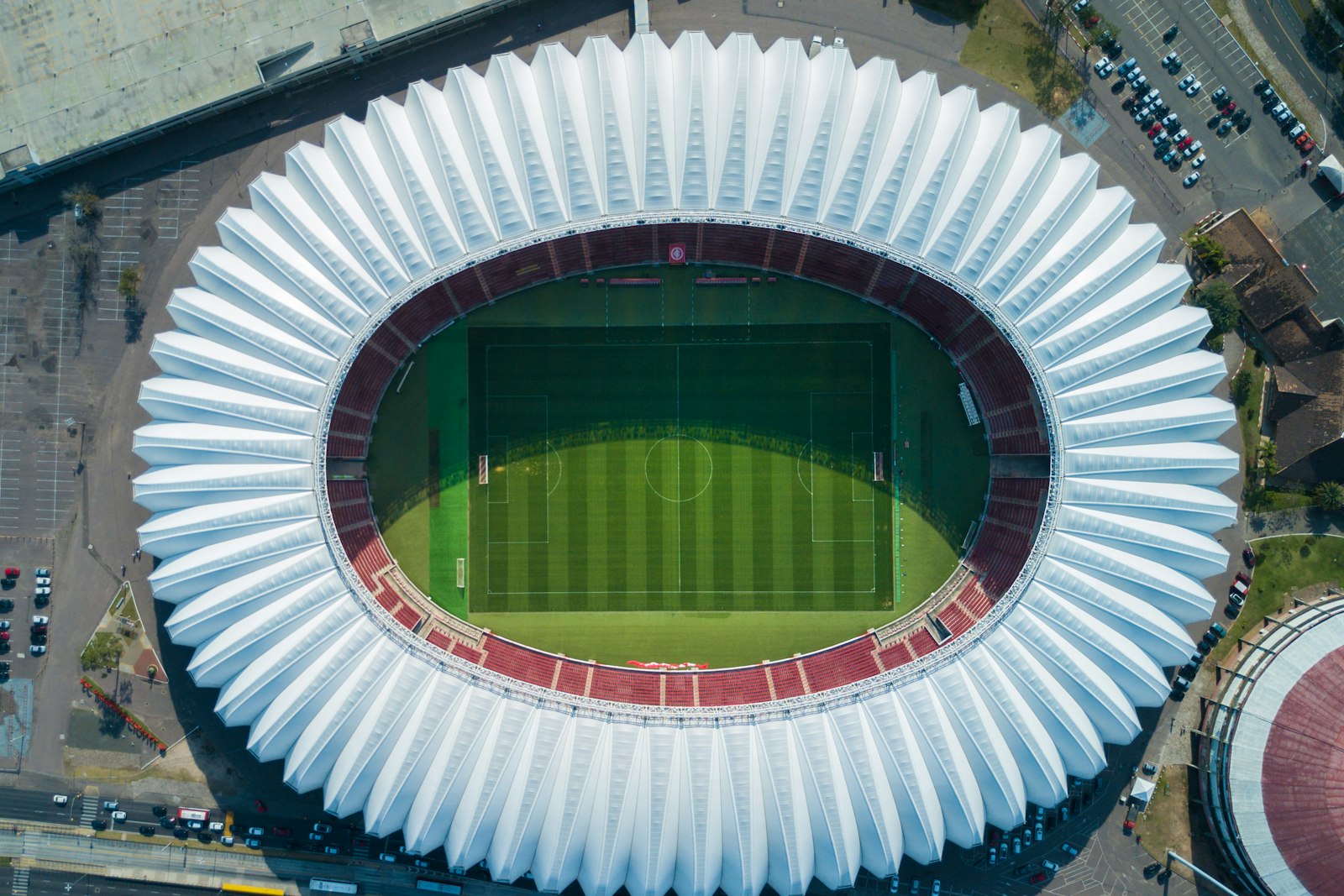
Event loads measured and managed
Venues swing from empty to full. Aqueduct meters cooling and water by area and sequences loads where control is enabled.
Learn moreThe Al Sa'fat requirements that depend on metering and monitoring
Al Sa'fat is Dubai Municipality's green building system. Its resource effectiveness requirements for energy and water lean on metering, monitoring and controls. Check the current Al Sa'fat regulations for your building type and tier.
Energy metering and monitoring
Buildings are expected to meter major energy uses and allow monitoring, so consumption can be managed after handover.
- Main and sub-meters on major systems
- Data connected to a monitoring system
- Tenant metering where relevant
- Data needed
- energy by system and tenant
- Source
- CT sub-meters, BMS
- Aqueduct
- end-use and tenant views
Cooling and district cooling
Cooling dominates energy in Dubai. Chiller plant and district cooling connections need metering to manage performance and tenant charges.
- Thermal energy meters on district cooling
- Chiller plant efficiency
- Cooling against weather and occupancy
- Data needed
- cooling energy and drivers
- Source
- BTU meters, chiller controllers
- Aqueduct
- cooling trends against weather
Water metering and leak detection
Water requirements cover metering of major uses and detection of leaks, alongside efficient fixtures and irrigation.
- Main and sub-meters
- Irrigation metering
- Leak alerts
- Data needed
- water by use and leaks
- Source
- main and sub-meters
- Aqueduct
- water balance and leak alerts
Indoor air quality and ventilation
Building vitality requirements cover ventilation and indoor air quality, with CO2 and other monitoring in some building types.
- CO2 per occupied zone
- Temperature and humidity
- Ventilation response
- Data needed
- zone IAQ
- Source
- AirSafe sensors, BMS
- Aqueduct
- per-zone records
Commissioning and handover
Systems must be commissioned and handed over working. Meters that never connected are a common handover failure.
- Each device validated at install
- Data confirmed before handover
- Records for the authority
- Data needed
- commissioning evidence
- Source
- installed devices
- Aqueduct
- Atria install records and device health
From design submission to operating evidence
For new buildings in Dubai, and existing buildings adding metering and monitoring.
Specify meters with data paths
Specify energy, cooling and water meters with protocol and gateway so data reaches Aqueduct from handover.
Install and validate
aQ Atria tags each device to its site, floor and zone and confirms data flow.
Show it working
Live dashboards, leak alerts and exports show the authority and your consultant that systems work.
Use the data
The same meters support tenant billing, cooling optimization and leak response.
Al Sa'fat requirements mapped to meters and sensors
Requirement names vary by tier and version. Confirm against the current regulations.
| Requirement area | What to measure | Meters and sensors | Aqueduct output |
|---|---|---|---|
| Energy metering | Energy by major use | CT sub-meters, main meters | End-use trends |
| Tenant metering | Energy and cooling per tenant | Tenant sub-meters, BTU meters | Tenant views and billing data |
| District cooling | Cooling energy | Thermal energy meters over M-Bus or Modbus | Cooling against weather |
| Water metering | Water by use | Main and sub-meters | Water balance |
| Leak detection | Flow against expected | Main and zone meters | Leak alerts |
| Irrigation | Landscape water | Irrigation meters | Night flow and schedule checks |
| Indoor air quality | CO2, temperature, humidity | AirSafe sensors | Per-zone records |
Where Dubai buildings lose the value of their meters
Meters with no data path
Meters installed for approval but never connected. Aqueduct reads them over Modbus, M-Bus or pulse outputs.
Cooling nobody normalizes
Cooling energy compared month to month without weather looks random. Degree day baselines show real change.
Irrigation leaks at night
Broken irrigation lines run all night unnoticed. Night flow alerts catch them the next morning.
Sources1 references cited on this page
sites in 21 countries run on Aqueduct.
and 9 clinics in one of India’s top hospital chains.
US airport running water intelligence on Aqueduct.
of commercial real estate under Aqueduct.
FMCG manufacturing campus.
operations run on Aqueduct.



Related
Common questions
Al Sa'fat is Dubai Municipality's green building evaluation system for new buildings, graded in tiers from Bronze to Platinum. Aqueduct supplies the energy and water metering, controls connectivity and air quality records that support its requirements.
Bronze sets the minimum requirements for new buildings in Dubai, and higher tiers are voluntary or required for certain building types. Check the current rules with Dubai Municipality. Aqueduct supplies the systems and data, not the approval.
Metering and monitoring of energy and water are part of Al Sa'fat's resource effectiveness requirements. Aqueduct reads main and sub-meters over LoRaWAN, Modbus, M-Bus or pulse outputs and presents them on live balances.
Yes. Architects and MEP engineers can specify Aqueduct metering, air quality and controls paths at design stage, so the building has them from handover.
Yes. Existing buildings use Aqueduct for cooling energy, demand and water savings, which supports DEWA demand-side management programs. Each saving is verified at the meter against a weather-normalized baseline.
No. Dubai Municipality grants approvals and tiers. Aqueduct supplies measured evidence, and your consultant prepares the submissions.
Yes, where the district cooling energy meters emit telemetry or pulse outputs. Aqueduct reads them alongside the building's own meters, so cooling energy is part of the same balance.
Al Sa'fat has several tiers, with a base tier required for new buildings and higher tiers for higher performance. Check current Dubai Municipality regulations for which tier applies to your project.
Compare cooling energy against cooling degree days and occupancy, not against last month alone. Aqueduct builds weather-normalized baselines so real change stands out from the season.
Each meter should list its location, what it serves, its protocol and how it connects to the monitoring system. Aqueduct uses the same schedule at install so the live system matches the documents.
Aqueduct confirms each device is installed, tagged to its zone and reporting, so handover documents match a working system.
See Aqueduct on your own facility.
Bring a site, a utility bill or a question. We will show you where the loss is.