LEED energy, water and air data, measured for every credit and recertification
LEED is the US Green Building Council's green building rating system, with certification levels from Certified to Platinum. Its energy, water and indoor environmental quality credits ask for metering, performance data and verified savings. Aqueduct supplies building-level and sub-metered energy and water, zone air quality and measurement and verification results. Your LEED consultant prepares and submits the documentation.
Energy, water and air credits backed by meters, not by a deadline scramble.
Every credit that asks for metering gets real meters
- Main and sub-meters
Whole-building and end-use meters for electricity, gas and water report on one data layer.
- Live water balance
Supply equals floors plus irrigation plus cooling plus loss, so water data reconciles.
- Monthly totals
Totals by building and month export cleanly for performance scoring and recertification.
Zone air records for indoor environmental quality
- Per-zone readings
CO2, PM2.5, PM10, VOCs, temperature and humidity are recorded wherever a sensor covers a zone.
- Exposure tracked
Duration above target is counted in zone-hours, not just the peak reading.
- Actions verified
After ventilation changes, the zone is confirmed back in range before the finding closes.

Measurement and verification a reviewer can trust
- Normalized baselines
Regression on cooling and heating degree days separates real savings from a mild year.
- Verified at the meter
A saving counts only after the meter confirms it, and it becomes the new baseline.
- Audit trail
Command history and fault closures record what changed, on which equipment, and exactly when it happened.
LEED data, before and after Aqueduct
- Recertification starts with a hunt for a year of bills.
- Water use is one inlet meter and a guess at irrigation.
- Air quality is a one-time test during a quiet week.
- Savings are modeled once and never checked again.
- The consultant spends billable hours cleaning spreadsheets.
 The Aqueduct way
- Recertification starts from a year of metered data.
- Water is sub-metered and reconciled in a live balance.
- Air quality is recorded per zone every occupied hour.
- Savings are verified at the meter against a normalized baseline.
- The consultant receives a clean export by building and month.
What LEED is and who it applies to
LEED, Leadership in Energy and Environmental Design, is a voluntary rating system developed by the US Green Building Council and certified through GBCI. Projects earn points across categories such as energy and atmosphere, water efficiency, indoor environmental quality, materials and sites, and are certified at Certified, Silver, Gold or Platinum.
There are rating systems for new construction, interiors, existing buildings in operation (O+M), neighborhoods and homes. New construction projects meter energy and water from the start. Existing buildings pursuing LEED O+M are scored on actual performance data, which means measured energy, water and indoor air rather than design intent.
Credit names and thresholds change between LEED versions, so check the version your project is registered under. The constant is the need for trustworthy, metered data.
LEED requirement areas and the evidence Aqueduct supplies
Aqueduct supplies the data. Your consultant maps it to credits and submits.
| Requirement area | Evidence Aqueduct supplies |
|---|---|
| Building-level energy metering | Whole-building electricity and gas from main meters, by month and by interval |
| Advanced energy metering | Sub-metered end uses and major equipment, on a 60-second refresh |
| Building-level water metering | Main supply metered and reconciled in a live water balance |
| Water sub-metering | Irrigation, cooling tower, domestic and process lines metered as separate terms |
| Indoor air quality performance | CO2, PM2.5, PM10, VOC index, temperature and humidity per zone, with exposure in zone-hours |
| Measurement and verification | Weather-normalized baselines and savings verified at the meter |
| Operations performance data | Monthly energy and water totals per building, exportable for performance scoring |
How Aqueduct supplies LEED evidence
Collect all year, then hand your consultant a clean export.
Meter energy and water
Main meters and sub-meters connect over LoRaWAN, Modbus, M-Bus or pulse outputs. Existing meters connect where they emit telemetry.
Sense air per zone
Air quality sensors record CO2, particulates, VOCs, temperature and humidity in each zone.
Act on gaps
Leaks, energy drift and air excursions become findings routed to your CMMS, or adjustments where control is enabled with owner approval.
Verify and export
Savings are verified at the meter, and totals export by building and period for your consultant.
Green buildings should be proven by their meters, not by their brochures.
Talk to our teamWhat stays with your LEED consultant
Aqueduct is the measured layer under the submission.
Credit strategy
Which credits to pursue and how to document them is decided by your project team and consultant.
Submission and review
Documentation is submitted and reviewed through USGBC and GBCI. Aqueduct does not submit or certify.
Non-metered credits
Materials, sites, transportation and waste credits rely on records outside Aqueduct's scope.
Related programs
Often pursued alongside LEED.
Where teams put it to work
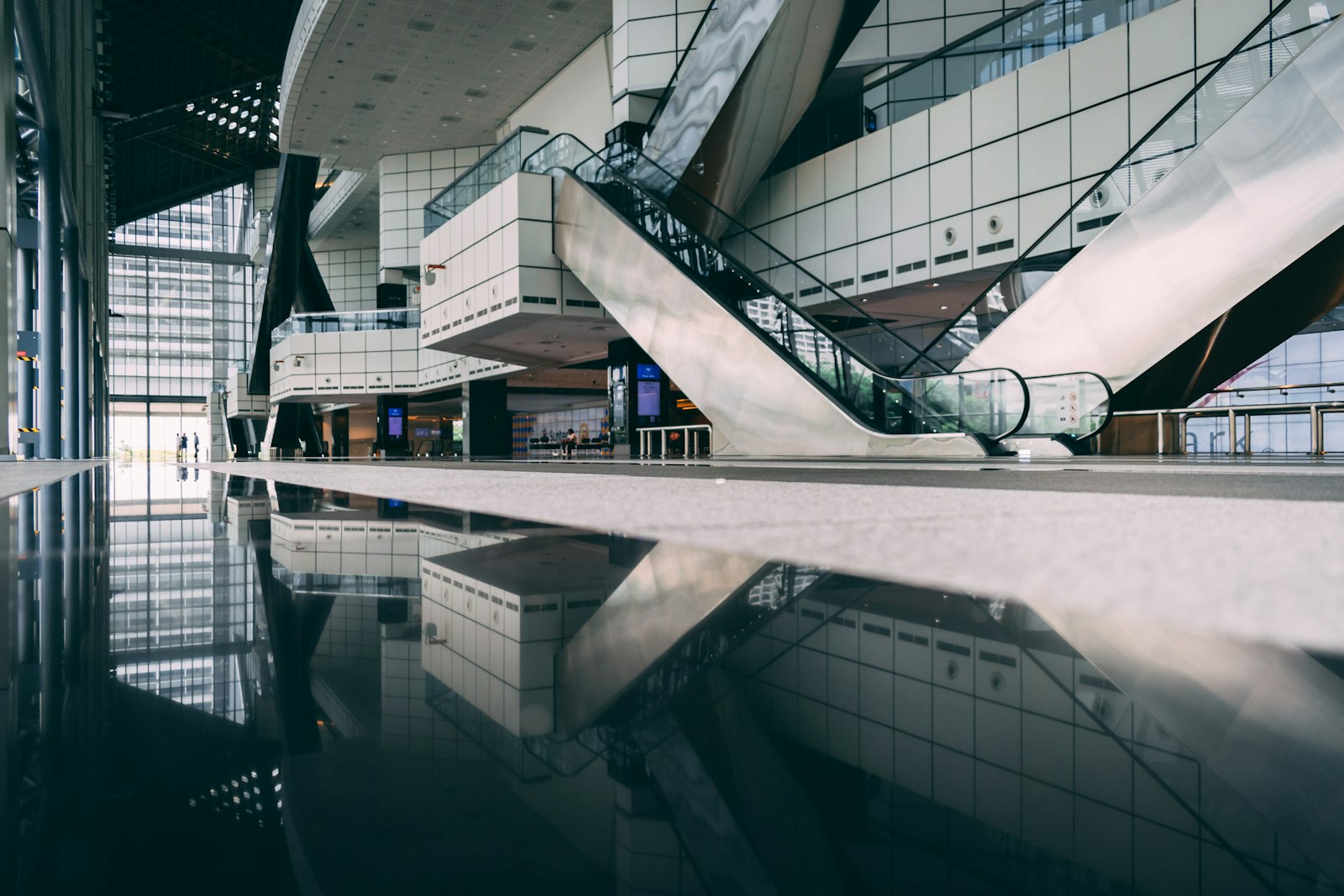
LEED O+M on measured performance
Existing offices recertifying under LEED O+M need actual energy, water and air data. Aqueduct collects it continuously across every floor.
Learn more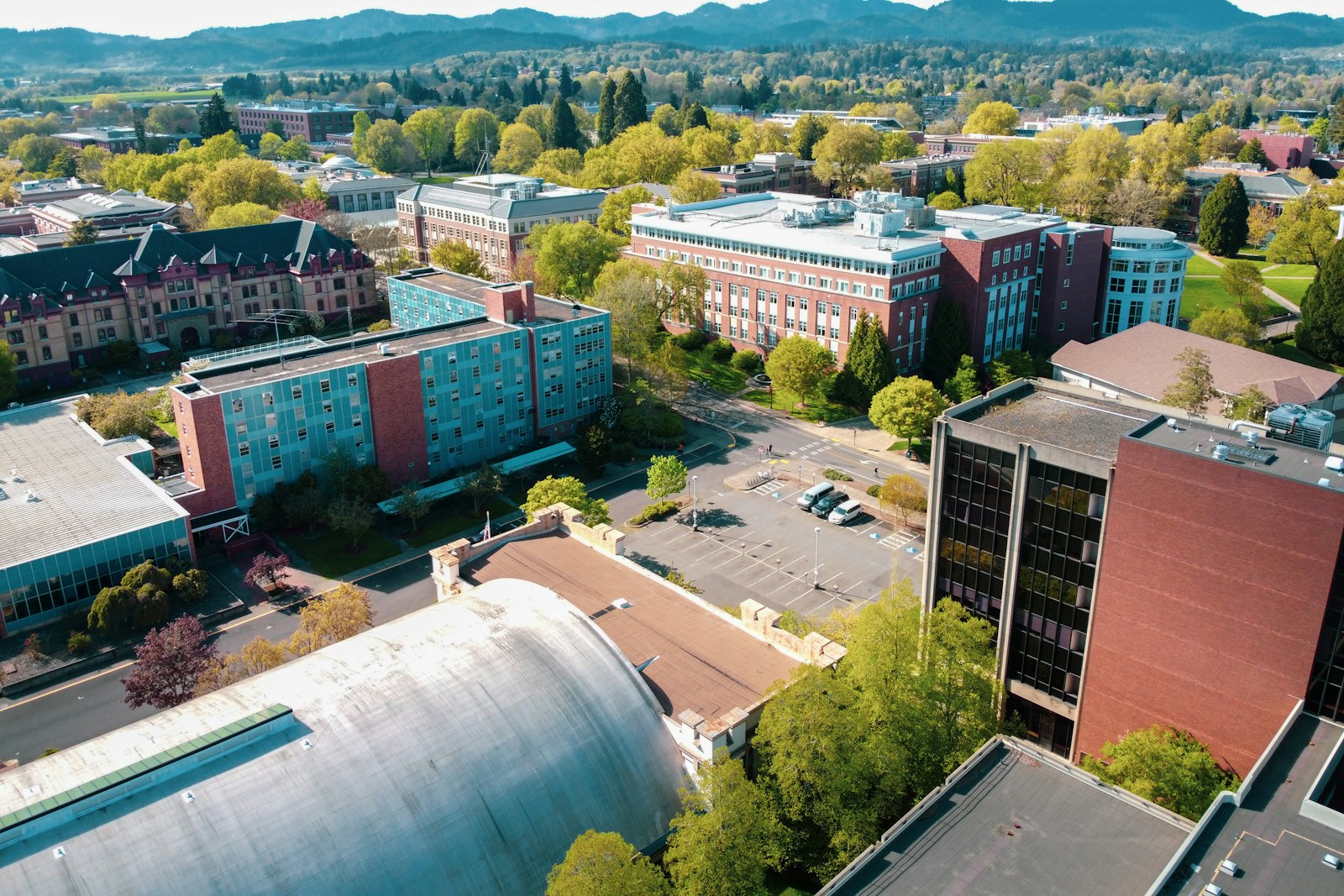
Many buildings, many certifications
Campuses with several LEED buildings keep metering, baselines and exports on one platform instead of one spreadsheet per building.
Learn more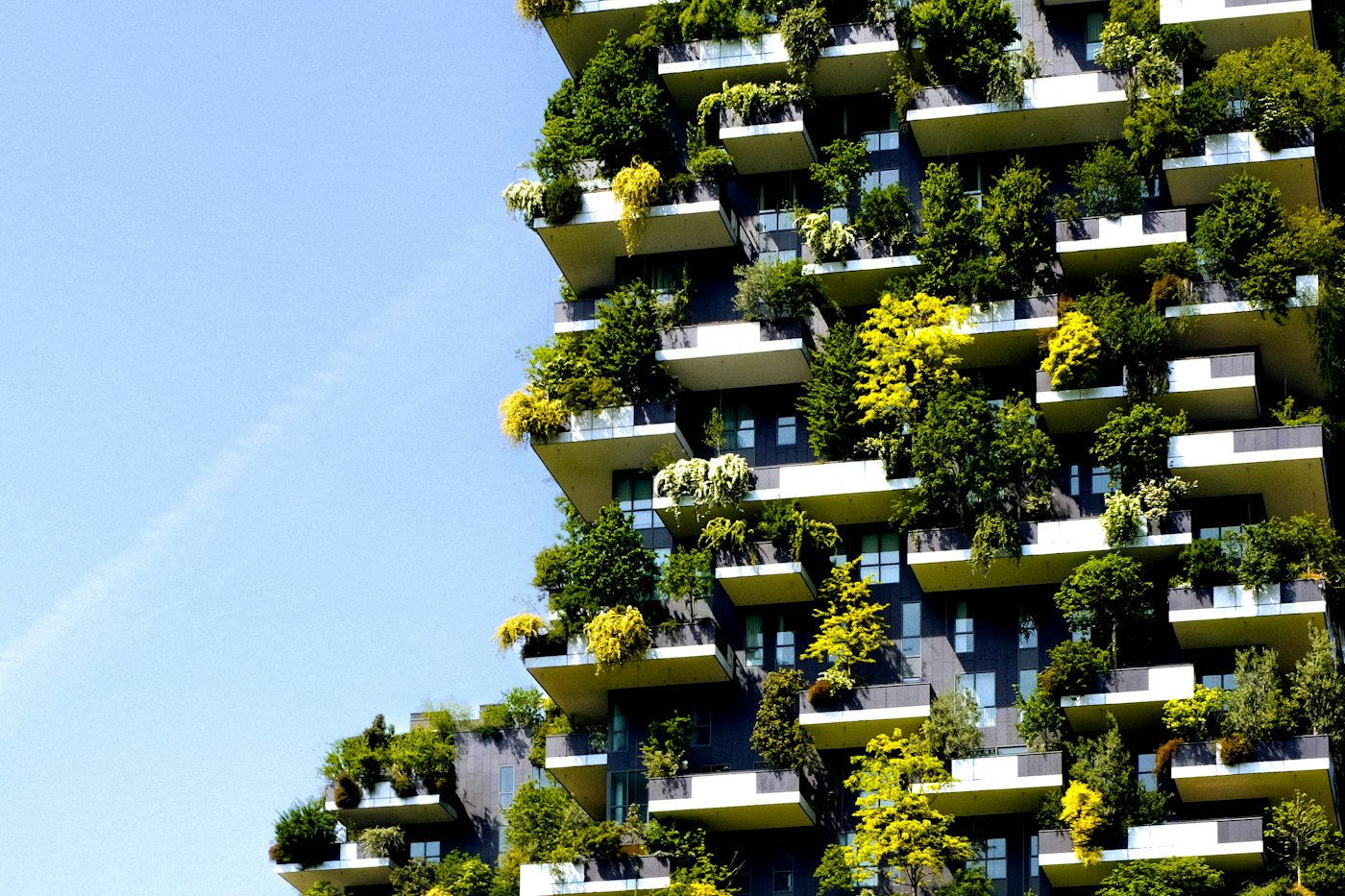
Benchmark before you certify
Portfolio benchmarking shows which buildings are closest to the next level, so certification budgets go where the data says.
Learn moreThe LEED credits and prerequisites that run on measured data
Whether a project is on v4, v4.1 or v5, the same families of credits depend on metering and monitoring. Check the exact credit language for your rating system and version.
Building-level and advanced energy metering
LEED BD+C asks for whole-building energy metering as a prerequisite, and an advanced metering credit rewards metering end uses and keeping data available. In operation, the meters only count if they report.
- Whole-building meters for each fuel
- End-use meters for major systems
- Data stored and accessible at interval resolution
- Data needed
- energy by fuel and end use
- Source
- utility meters and sub-meters
- Aqueduct
- interval data and device health
Building-level and water sub-metering
Water metering appears as a prerequisite and a credit, covering the whole building and sub-systems such as irrigation, cooling towers and domestic hot water.
- Main water meter data
- Sub-meters on irrigation, towers and other major uses
- Leak and unexpected flow alerts
- Data needed
- water by source and use
- Source
- main and sub-meters
- Aqueduct
- water balance and leak alerts
O+M energy and water performance
LEED for operations and maintenance scores actual performance over a recent period, using energy, water, waste, transport and human experience data, often through the Arc platform.
- 12 months of metered energy and water
- Occupancy and area for intensity
- Consistent periods for recertification
- Data needed
- measured performance over the period
- Source
- meters and occupancy
- Aqueduct
- exports aligned to the performance period
Indoor environmental quality performance
Operations credits look at measured indoor air, typically CO2 and TVOC, and occupant comfort. New construction credits cover ventilation monitoring and air quality testing.
- CO2 and TVOC per space
- Outdoor air monitoring at air handlers
- Thermal comfort records
- Data needed
- IAQ readings by space
- Source
- AirSafe sensors, BMS points
- Aqueduct
- per-zone IAQ records
Commissioning and measurement and verification
Enhanced commissioning and monitoring based commissioning reward ongoing checks of systems, and measurement and verification approaches compare actual with predicted energy.
- Trend data for commissioning checks
- Fault detection on HVAC systems
- Measured savings against a baseline
- Data needed
- system trends and verified savings
- Source
- BMS and meters
- Aqueduct
- fault detection and verified savings
LEED credit families mapped to meters and sensors
Credit names vary by version. Use this to plan metering, then confirm against your rating system.
| Credit family | What to measure | Meters and sensors | Aqueduct output |
|---|---|---|---|
| Building-level energy metering | Whole-building energy by fuel | Utility meters, gas pulse outputs | Monthly and interval totals |
| Advanced energy metering | Major end uses | CT sub-meters on HVAC, lighting, plug and process feeders | End-use trends |
| Building-level water metering | Whole-building potable water | Main water meter | Monthly and interval totals |
| Water metering | Sub-systems | Sub-meters on irrigation, towers, hot water | Water balance by use |
| Energy performance (O+M) | Energy over the performance period | All energy meters, weather | Weather-normalized EUI |
| Water performance (O+M) | Water over the performance period | All water meters | Water use intensity |
| Indoor air quality performance | CO2 and TVOC by space | Multi-parameter air quality sensors | Per-space IAQ records |
| Commissioning and M and V | System behavior and savings | BMS points, sub-meters | Fault reports and verified savings |
From credit plan to performance data
For new projects specifying metering, and existing buildings preparing for LEED O+M certification or recertification.
Plan metering against credits
List the metering and monitoring credits you are pursuing and specify meters together with their data path to Aqueduct.
Install and commission devices
aQ Atria tags each meter and sensor to its site, floor and zone, and device health confirms data flow before handover.
Build the performance period
Collect energy, water and indoor air data continuously, closing leaks, faults and meter gaps as they appear.
Export for your LEED consultant
Export performance period data by meter and space, with coverage notes, for your consultant to enter and document.
Why LEED meters stop counting after handover
Meters installed, never connected
Meters specified for credits often sit on the wall with no data path. Aqueduct reads them over Modbus, M-Bus or pulse outputs from day one.
Devices that quietly go offline
A dead battery or a lost gateway leaves months of missing data. Device health shows which meter at which location needs attention.
Data nobody looks at
Metering only pays when someone acts on it. Leak alerts and fault flags turn credit meters into daily operations tools.
Sources2 references cited on this page
sites in 21 countries run on Aqueduct.
and 9 clinics in one of India’s top hospital chains.
US airport running water intelligence on Aqueduct.
of commercial real estate under Aqueduct.
FMCG manufacturing campus.
operations run on Aqueduct.




Related
Common questions
LEED is the US Green Building Council's rating system for green buildings, with levels from Certified to Platinum. Projects earn points for energy, water, indoor environmental quality and other categories. Aqueduct supplies the measured energy, water and air data behind the performance credits.
They typically need building-level metering, sub-metering of major end uses and, for existing buildings, actual consumption over a performance period. Aqueduct meters energy and water at the main and sub-meter level and exports totals by building and month.
Yes. LEED for existing buildings in operation is scored on measured performance, including energy, water and indoor air. Aqueduct keeps that data collected continuously, so recertification starts from records rather than a data hunt.
No. Certification is awarded through USGBC and GBCI after review of your submission. Aqueduct supplies measured evidence and verified savings; your consultant prepares and submits the documentation.
Aqueduct records CO2, PM2.5, PM10, VOCs, temperature and humidity per zone, with exposure tracked in zone-hours. That continuous record supports indoor environmental quality credits and occupant-health reporting.
Yes. Aqueduct builds weather-normalized baselines on cooling and heating degree days and verifies savings at the meter, the same logic used in IPMVP and ASHRAE Guideline 14 based M&V.
Yes, where they emit telemetry or have pulse outputs. Pulse splitters let an existing BMS keep its signal while Aqueduct reads the same meter.
Plan for the version your project is registered under. Newer versions keep the emphasis on metering and measured performance, so a meter plan built for one version usually carries forward.
Metering credits are generally written around permanently installed meters with data kept over time. Check your credit language. Aqueduct supports permanent wired and wireless meters.
Arc is the performance platform used with LEED to track energy, water, waste, transport and human experience data. Measured data from Aqueduct can be exported to support those entries.
LEED O+M certifications are time limited and require recertification on a cycle set by the rating system. Continuous data makes each cycle a refresh rather than a new data collection project.
See Aqueduct on your own facility.
Bring a site, a utility bill or a question. We will show you where the loss is.