
Airport terminal energy and facility management that follows the passengers
Airport terminal energy management means running HVAC, lighting, restrooms, concessions and baggage systems to the flight schedule and the passengers actually in each zone. Aqueduct baselines every terminal against weather and occupancy, finds faults and waste in air handlers, restrooms and baggage halls, routes fixes to your CMMS, and verifies every saving at the meter.
Terminal air, water and power that follow the passengers, gate by gate and hour by hour.
Ventilation and comfort matched to the passengers in each zone
- Zone occupancy
Passenger presence by zone comes from sensors or from schedules tied to the flight plan.
- CO2 by zone
CO2 shows where ventilation is short at peaks and where it runs full for empty gates.
- Rules with approval
Where control is enabled, with owner approval, ventilation follows occupancy and every command is logged.
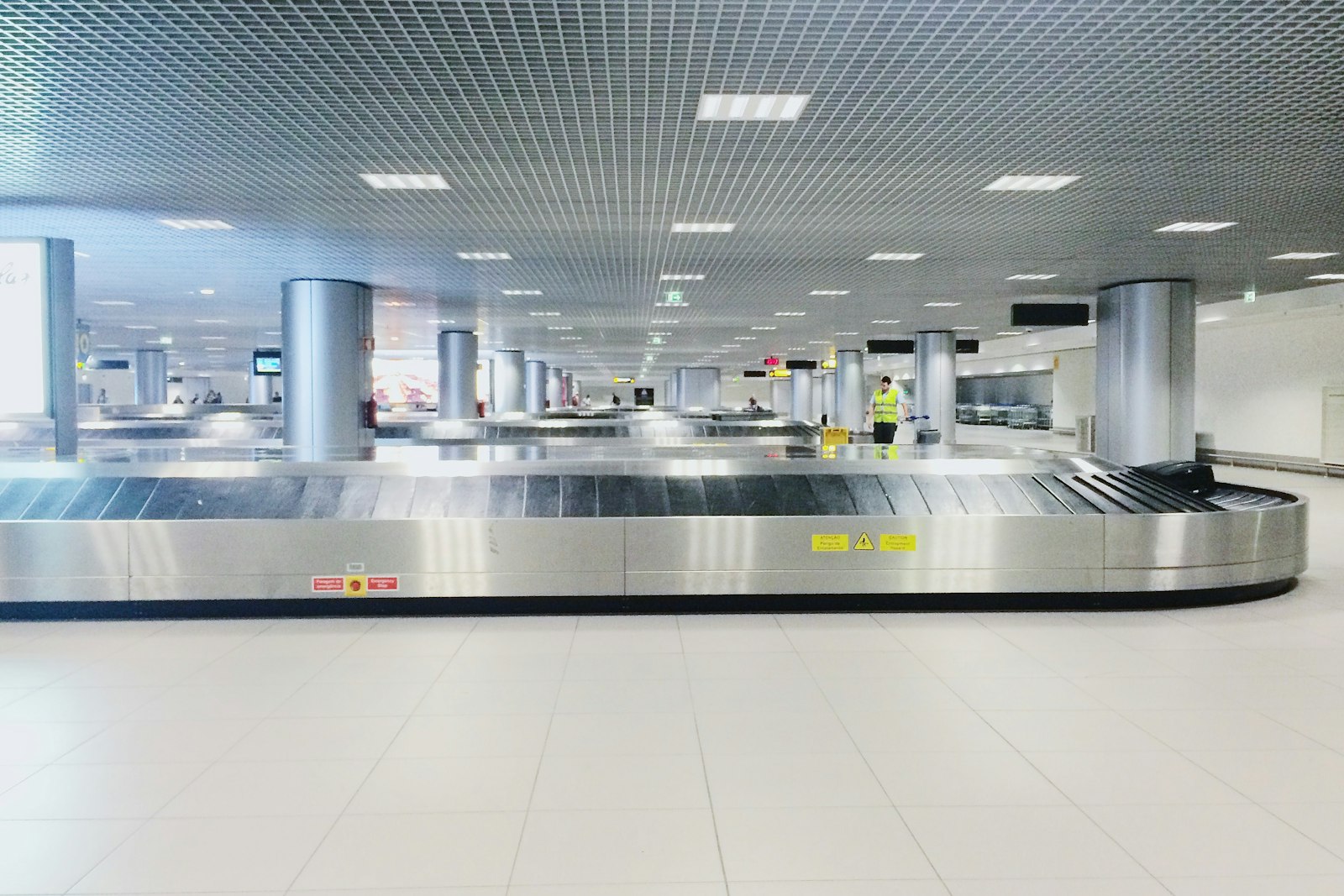
Air handler and restroom faults found before passengers report them
- Component states
Dampers, valves, fans and coils are shown as states on the twin, with command against feedback.
- Restroom water
Continuous flow at night flags stuck flush valves and running taps by restroom block.
- Routed and confirmed
Each fault goes to your CMMS with a recommended fix, and the meter confirms it was resolved.
Concessions and baggage halls measured on what they actually use
- Tenant sub-metering
Sub-meters reconcile to the main meter, so concession recharges rest on measured use.
- Baggage idle time
Conveyor and sorter power by zone shows idle running between banks of flights.
- Bill validation
Utility bills are checked against metered use, so the airport pays for what it used.
Terminal operations, before and after Aqueduct
- Every zone is conditioned as if every gate were boarding.
- A passenger reports the running restroom tap in the morning.
- Baggage conveyors run between flight banks with nobody watching.
- Each terminal expansion added a BMS nobody connected to others.
- Concession recharges rest on estimates and old floor areas.
 The Aqueduct way
- Ventilation follows passenger occupancy where control is enabled.
- Continuous night flow is flagged by restroom block that night.
- Idle baggage running shows by zone and by flight bank.
- Every terminal and vendor sits on one data layer.
- Concession recharges rest on sub-metered, reconciled use.
What Aqueduct runs across a terminal
Terminals built in different decades, with different vendors, on one data layer.
Terminal HVAC
Air handlers, VAV boxes and fan coils read over BACnet or Modbus, with component states on the twin.
Restrooms
Water per restroom block, fixture faults, continuous flow at night and air quality during peaks.
Concessions and tenants
Sub-metered water, power and gas per tenant, exported for billing on measured use.
Learn moreBaggage handling
Conveyor and sorter power by zone, idle running between banks of flights flagged.
Gates and jet bridges
Lighting, HVAC and bridge loads matched to gate use and the flight schedule.
Occupancy
Passenger presence by zone from sensors or schedules, driving ventilation and comfort rules.
Why terminals waste energy around the clock
A terminal never closes, but most of it is not busy most of the time.
Conditioned for a full house
Air handlers serve every zone as if every gate were boarding, including concourses with no departures for hours.
Restroom faults in public view
A stuck flush valve or running tap wastes water all night and is reported by a passenger in the morning.
Baggage systems that never rest
Conveyors and sorters run between flight banks because nobody can see when they idle.
Mixed generations of controls
Each terminal expansion brought a new BMS vendor, so nobody sees the terminal as one building.
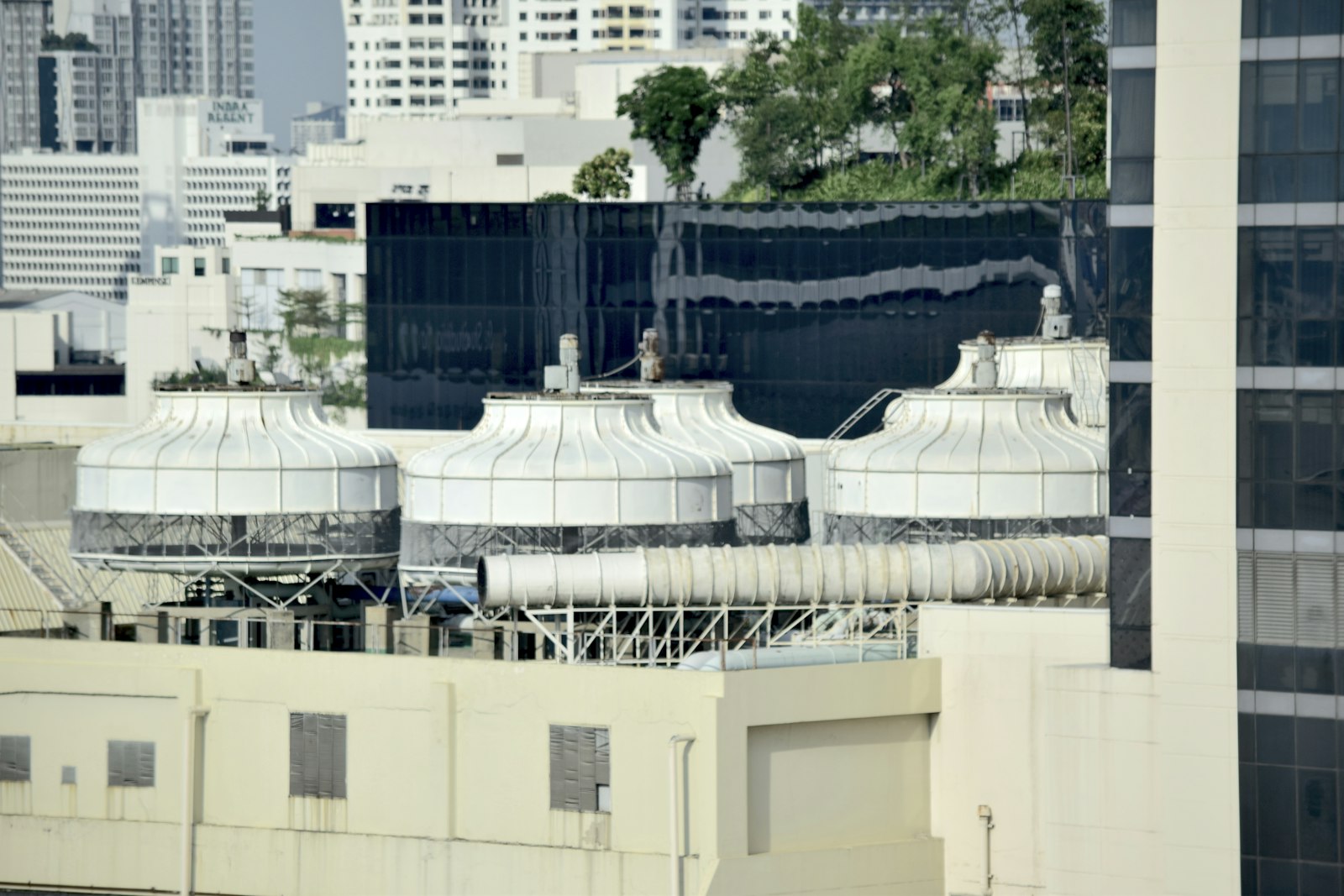
A terminal that never closes should still know which gates are empty.
Talk to our teamOne concourse, start to finish
An illustrative weekday at a concourse with a long mid-afternoon gap in departures.
Air handlers, VAV boxes, CO2 sensors and gate occupancy report into the terminal twin.
HVAC energy is compared with a baseline normalized for weather and passenger occupancy.
During the afternoon gap, two air handlers keep full outdoor air with CO2 at background level.
Where control is enabled, with owner approval, ventilation follows occupancy. A ticket goes to check a stuck damper.
HVAC energy for the concourse returns below baseline during gaps, with comfort held. The result becomes the new baseline.
Terminal controls: keep, replace or build in
Three equal ways in, chosen terminal by terminal.
| Situation | Way in | What Aqueduct does |
|---|---|---|
| Terminal has a working BMS | Keep your BMS | Reads its points, baselines each zone, flags faults and routes fixes. The BMS keeps running. |
| Controls are aged out or unsupported | Replace your BMS | Takes over schedules and setpoints through BACnet or Modbus field devices, with owner approval. |
| New terminal or concourse in design | Build it in | Specified at design stage with your architects and MEP engineers, so metering and control are in from day one. |
Where teams put it to work
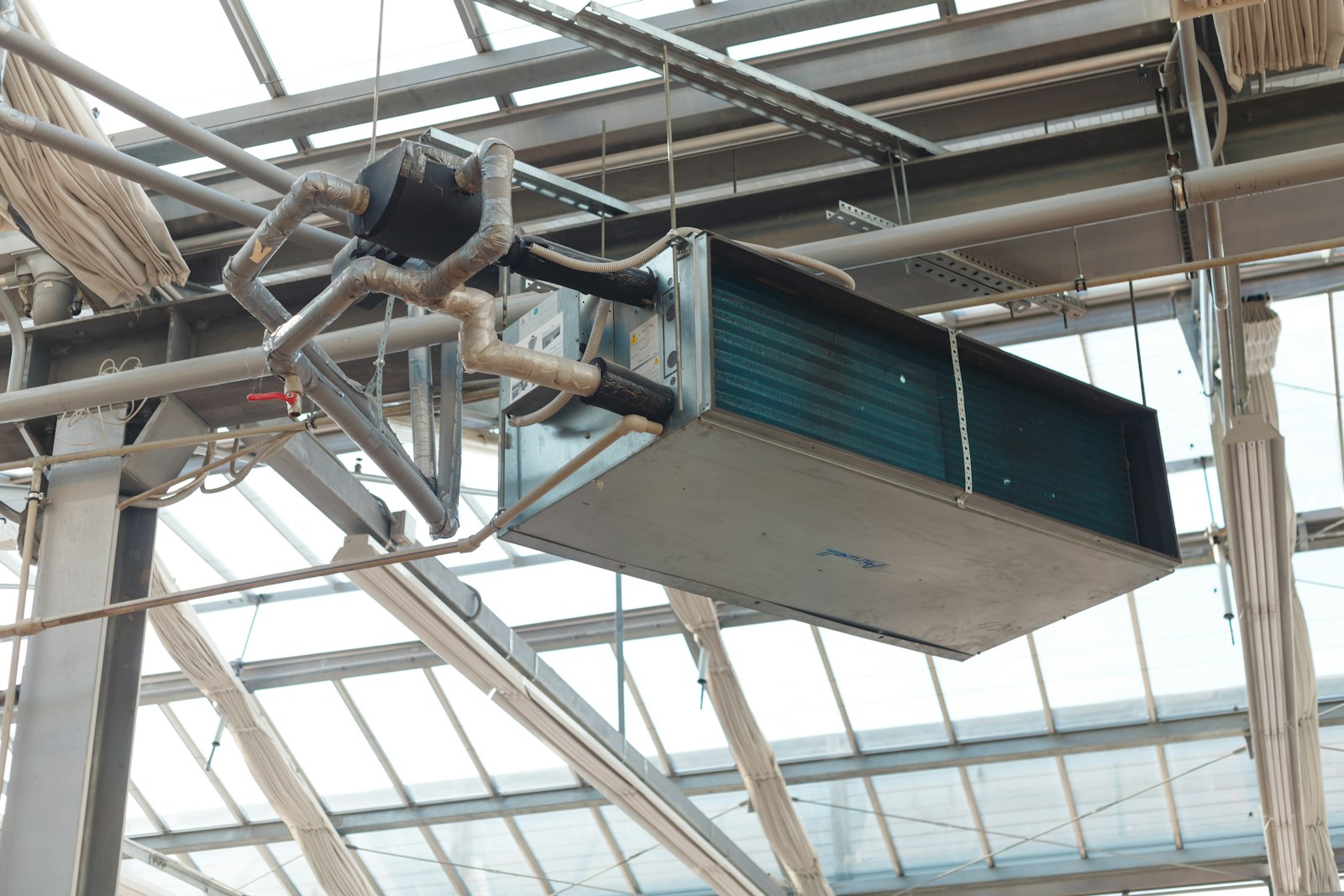
Air that follows the departures board
Ventilation and comfort targets follow passenger occupancy by zone, so empty concourses stop being conditioned for a full house.
Learn more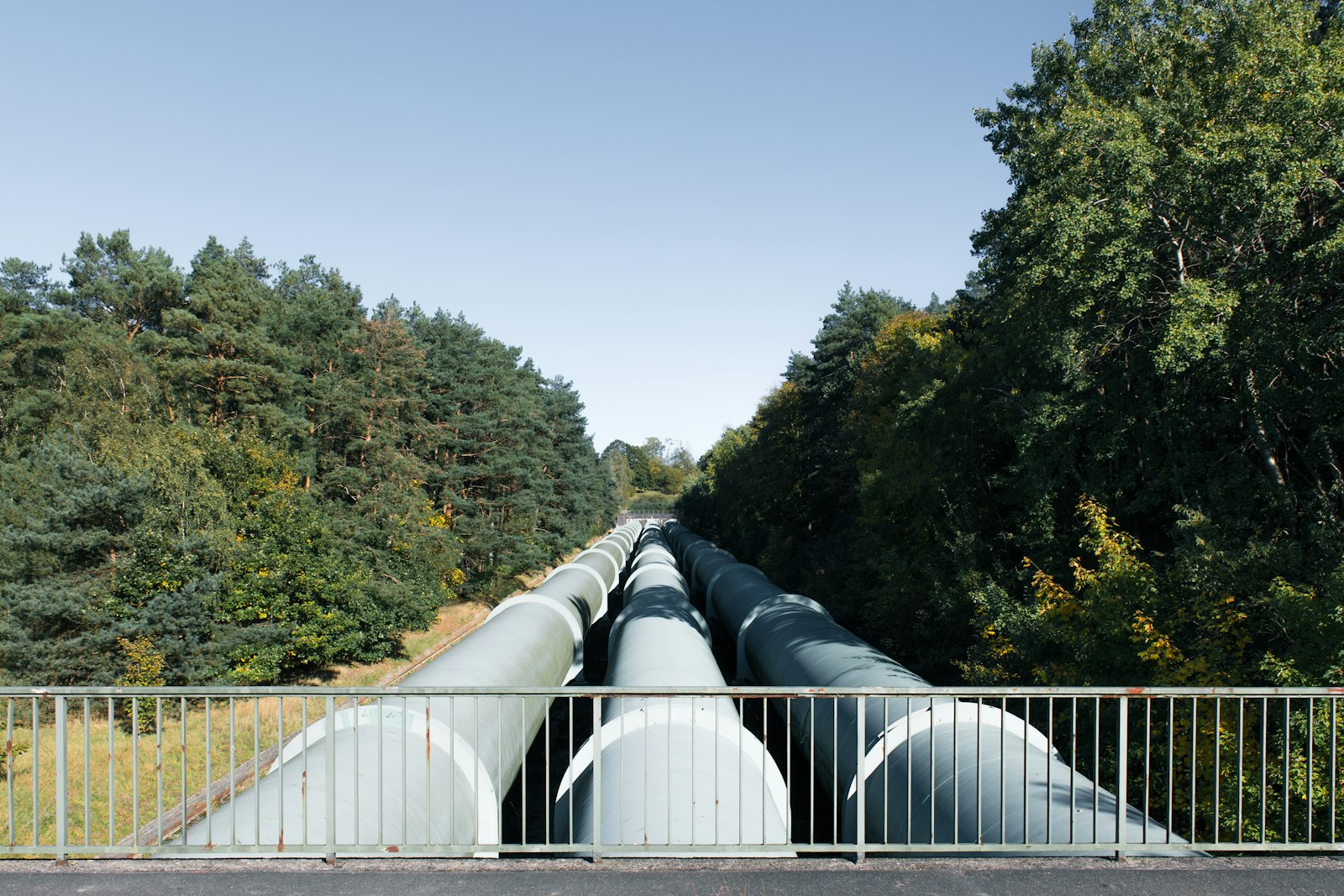
Faults fixed before the first complaint
Restroom water is metered by block, and continuous flow overnight sends a ticket with the location before passengers notice.
Learn more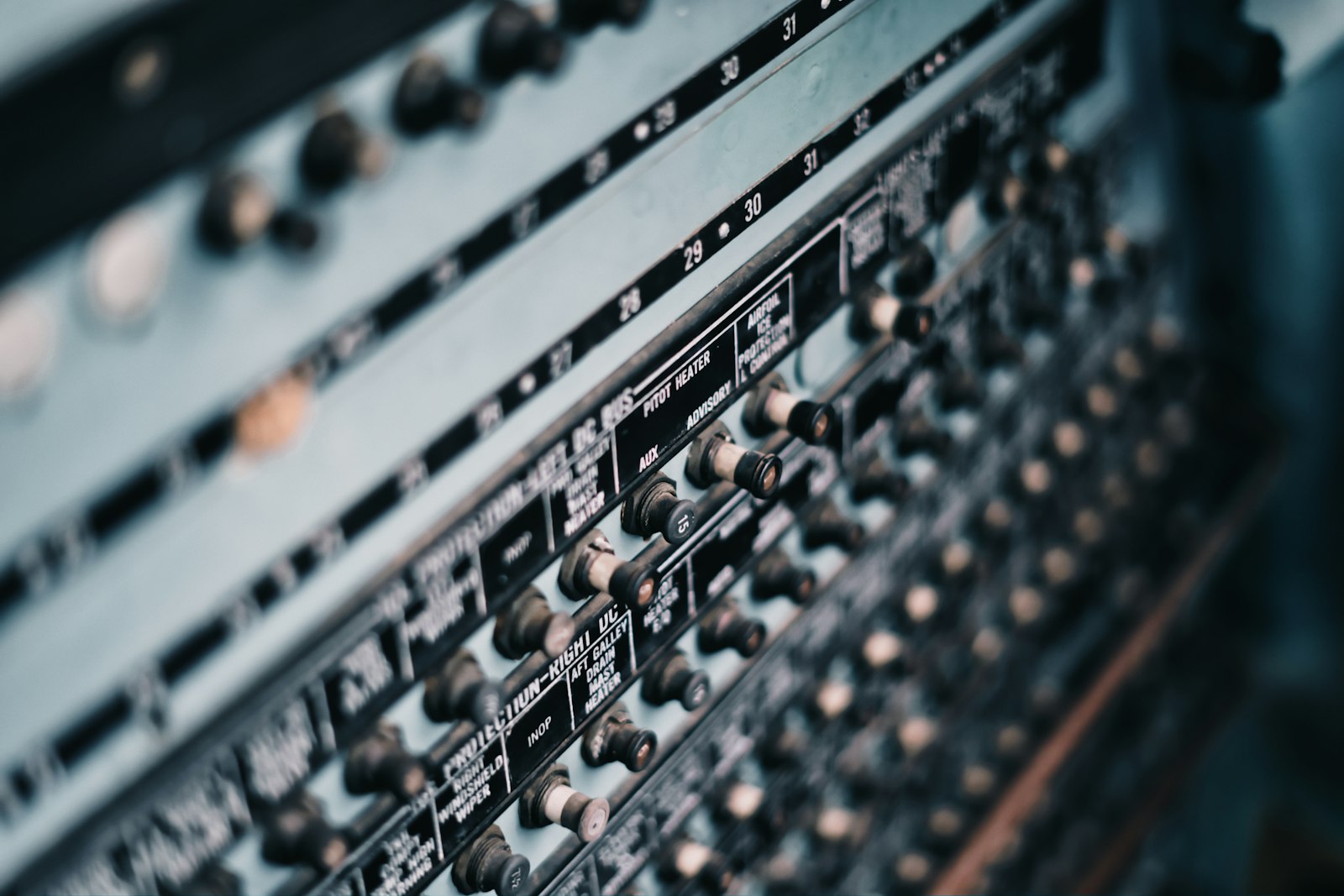
A top 25 US airport on Aqueduct
A top 25 US airport connected 5,000 meter points across a 24/7 campus and went live in two weeks, with a major leak surfaced at once.
Learn moreRelated
Common questions
Most terminal waste comes from conditioning and ventilating zones for more passengers than are there. Aqueduct baselines terminal HVAC against weather and occupancy, finds zones running full during gaps in the schedule and, where control is enabled with owner approval, lets ventilation follow occupancy.
Yes. Aqueduct meters water per restroom block, flags continuous flow at night that points to stuck flush valves or running taps, and can track air quality during peaks. Tickets go to your CMMS with the block and the time.
Yes. Aqueduct reads BACnet and Modbus from each system into one data layer, so terminals built in different decades sit on one model. You can keep each BMS, replace it or build Aqueduct into new construction.
Aqueduct supplies measured water, power and gas use per tenant from sub-meters and exports it. Your billing system issues the bills.
Occupancy by zone comes from sensors or from schedules tied to the flight plan. Automation rules use it to set ventilation and comfort targets, so empty concourses are not ventilated as if they were full. Every command is logged.
Yes. A top 25 US airport went live on Aqueduct in two weeks, connecting 5,000 meter points across more than 2M sq ft of facilities, and a major leak was surfaced immediately.
No. Aqueduct covers building utilities, HVAC, water and air. Airfield lighting, security, access control and airport operations systems stay separate.
See Aqueduct on your own facility.
Bring a site, a utility bill or a question. We will show you where the loss is.