Occupancy based HVAC control that follows real use, with every command on record
Occupancy based HVAC control runs heating, cooling and ventilation to whether a space is actually in use. Aqueduct determines occupancy from PIR sensors or defined schedules, triggers automation rules by site, floor or zone, adjusts equipment where control is enabled with owner approval, logs every command, and verifies the saving against a weather-normalized baseline.

Condition the spaces people use, when they use them, and log every change.
Occupancy taken from PIR sensors or defined schedules
- PIR sensing
Zones report whether they are occupied, so control can follow real use.
- Defined schedules
Where sensors are not installed, occupancy is set as a schedule per site, floor or zone.
- Clusters
Devices and sensors grouped so a sensor reading can inform how an RTU behaves.
Rules that change equipment only with approval
- Rule builder
Thresholds on a device or on site, zone or floor occupancy, with if and else logic.
- Two control paths
LoRaWAN relays for simple loads, field device controllers over Modbus or BACnet for complex equipment.
- Lockouts
New commands wait while an earlier command is still being acted on, preventing short cycling.
Comfort held in range and energy saving measured
- Comfort compliance
Setpoint attainment and comfort compliance are tracked live for every controlled unit, so savings never cost comfort.
- Command history
Every command and whether it executed is recorded, which holds up to M&V and procurement scrutiny.
- Verified saving
Equipment energy is measured against its own weather-normalized baseline, and the saving is priced from your rates.
HVAC control, before and after Aqueduct
- Floors are conditioned on fixed hours, full or empty.
- Hybrid work patterns break static HVAC timetables.
- Ventilation runs at full rate for a few people.
- Schedule changes leave no trace of who or when.
- Control savings are claimed, not measured.
 The Aqueduct way
- Equipment follows occupancy where control is enabled.
- Occupancy comes from sensors or per-zone schedules.
- Ventilation follows measured CO2 and occupancy by zone.
- Command history records every change and result.
- Savings are verified against a weather-normalized baseline.
Why HVAC runs for empty rooms
Schedules assume a building is full from opening to close, every day.
Fixed schedules
Floors are conditioned from early morning to evening, whether anyone comes in or not.
Hybrid work patterns
Occupancy now changes by day of the week, and static schedules cannot follow it.
Ventilation at full rate
Fresh air is supplied for full occupancy even when a few people are present.
Changes nobody can audit
When schedules are changed, nobody records what changed, who approved it or whether it executed.
How occupancy-based control works in Aqueduct
One floor, one day, from signal to verified saving.
PIR sensors report occupancy by zone, or occupancy is defined as a schedule for the site, floor or zone.
The floor's HVAC energy and comfort are measured against a weather-normalized baseline.
The floor is unoccupied for most of the afternoon while its RTU holds the occupied cooling setpoint.
An automation rule raises the setpoint and reduces ventilation when occupancy drops, where control is enabled with owner approval. Lockouts prevent short cycling.
Command history shows each command executed, comfort stayed in range when people returned, and energy fell below baseline.
What it needs on site
Existing controllers connect over BACnet or Modbus. New devices are installed through partners.
| Device | What it measures or does | Why it matters |
|---|---|---|
| PIR occupancy sensors | Whether a zone is in use | Dynamic occupancy for automation triggers |
| Occupancy schedules (alternative) | Defined hours per site, floor or zone | Occupancy where sensors are not installed |
| Field device network controller | BACnet or Modbus to RTUs, AHUs, VAVs and chillers | Control of complex equipment |
| LoRaWAN relay switches | On and off for simple loads | Fans and similar loads |
| CO2 and temperature sensors | Air and comfort by zone | Keeps savings from costing comfort or air |
Building an occupancy rule
Rules are built in the Aqueduct rule builder and run only where control is enabled.
Name and severity
Set the rule name, description and severity: info, warning or alert.
Scope
Choose the trigger scope: this device, or site, zone or floor occupancy.
Condition
Pick the metric, such as zone temperature or CO2, the condition and the value.
Action
Set the action, such as a setpoint change or ventilation target, with lockouts in place.
Who cares about this
The seats that ask for this first.
Facilities managers and directors
Comfort held when people are present, energy saved when not.
Learn moreWhere teams put it to work

Hybrid floors, conditioned on use
Office floors with changing weekly patterns are conditioned when people are present, with comfort tracked when they return.
Learn more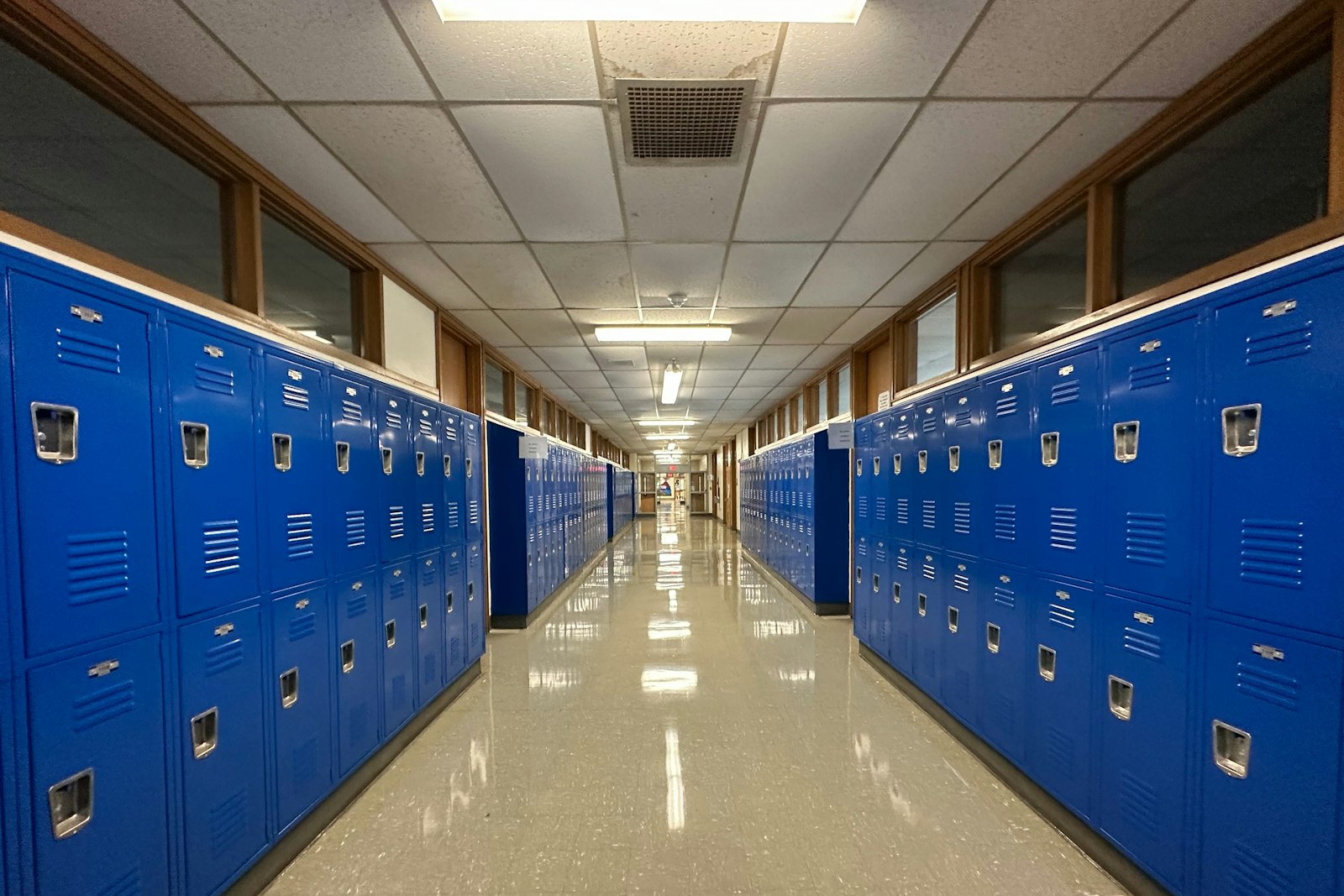
Lecture halls between classes
Lecture halls and labs follow timetables and sensors, so empty rooms between classes stop being fully heated or cooled.
Learn more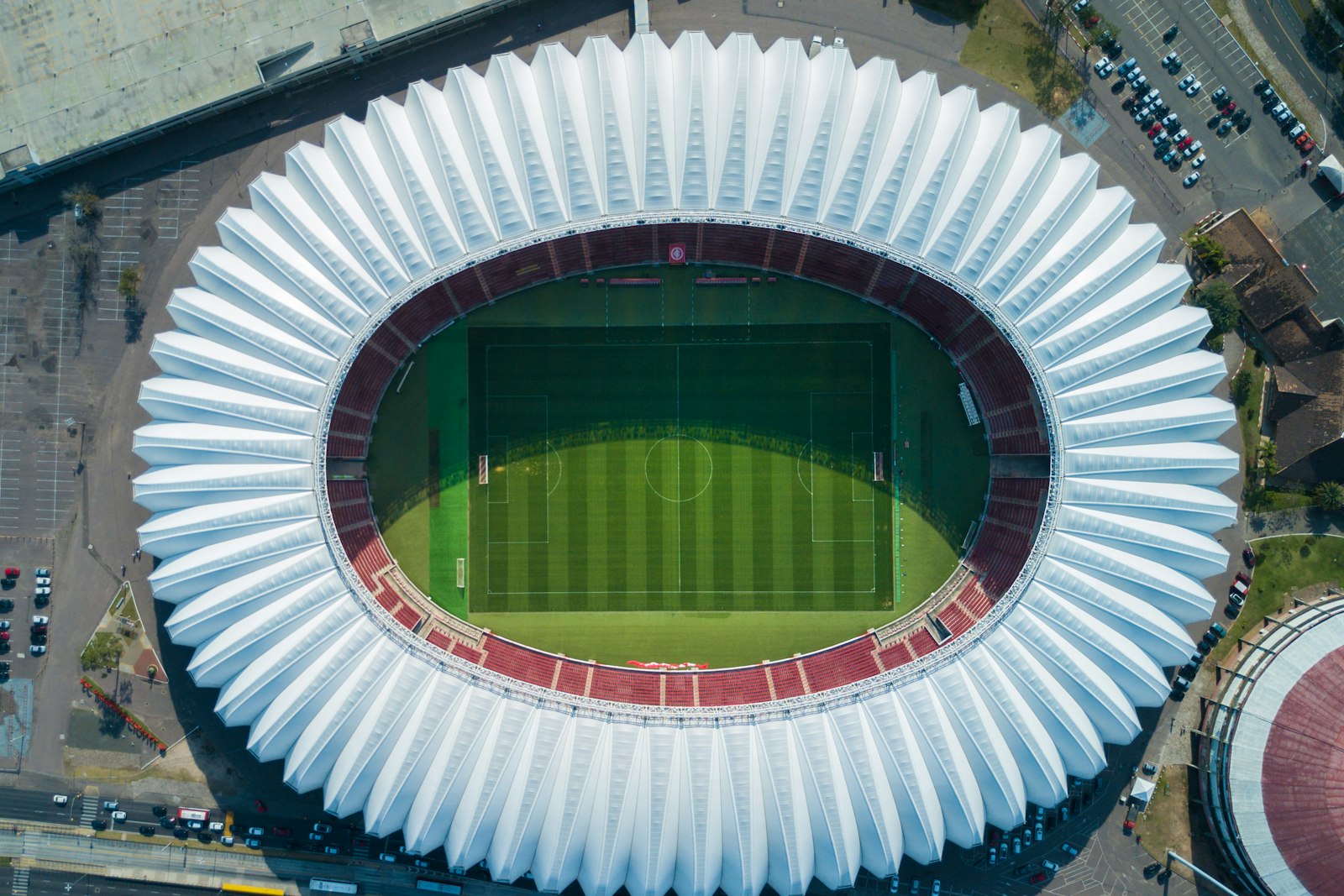
Event days and quiet days
Stadiums and venues run HVAC to the event calendar and live occupancy rather than one fixed weekly schedule.
Learn moreBuilding types where occupancy and schedules drift apart
Occupancy-based control pays most where real use and the fixed timetable disagree. These are the common patterns.
Floors full on some days, empty on others
Midweek floors fill while Mondays and Fridays stay light. A fixed schedule conditions every floor every day.
- Floor-level occupancy from PIR
- Setback when a floor empties
- Comfort tracked when people return
- Trigger
- floor occupancy
- Action
- setpoint and ventilation targets
- Guardrail
- lockouts and comfort compliance
Rooms booked but not used
Conference and training rooms are often conditioned for bookings that never show up.
- Zone PIR confirms use
- Ventilation follows CO2 while occupied
- Return to setback after a quiet period
- Trigger
- zone occupancy and CO2
- Action
- demand controlled ventilation
- Guardrail
- minimum ventilation held
Buildings used in blocks
Teaching and lab buildings run on timetables that change by term, exam period and holiday.
- Schedules per building and floor
- Holiday and term calendars
- Sensor occupancy where installed
- Trigger
- defined schedules or PIR
- Action
- start and stop times
- Guardrail
- command history
Large volumes, small crews
Ventilation and destratification fans run for the whole building while only one zone is active.
- Zone occupancy and CO2
- LoRaWAN relays for fans
- Vent control on air quality
- Trigger
- zone activity and air quality
- Action
- fan on or off
- Guardrail
- relay command logged
Trading hours that shift
Opening hours change by season and promotion, and back-of-house runs on its own pattern.
- Schedules per site
- RTU states on the twin
- Pre-conditioning before opening
- Trigger
- site schedule
- Action
- occupied and unoccupied modes
- Guardrail
- setpoint attainment
Occupancy rules engineers build in Aqueduct
Illustrative rules. Each runs only where control is enabled, with owner approval, and every command is logged.
| Rule | Trigger | Action |
|---|---|---|
| Floor setback | Floor unoccupied for 30 minutes | Raise cooling setpoint, lower ventilation target |
| Morning start | Scheduled occupancy minus warm-up time | Occupied mode on the floor's units |
| CO2 ventilation | Zone CO2 above threshold while occupied | Raise ventilation target |
| Empty building | Site unoccupied outside schedule | Unoccupied mode, exhaust fans off by relay |
| Comfort guard | Zone temperature out of band while occupied | Cancel setback for that zone |
| Short-cycle guard | Command still being acted on | Lockout holds the new command |
From one floor to the whole building
Control is introduced carefully, with comfort measured at every step.
Read only
Controllers connect and occupancy is measured or scheduled. Nothing is commanded yet; the gap between use and runtime is quantified.
One pilot floor
Rules run on one floor where control is enabled, with owner approval. Comfort compliance and complaints are watched daily.
Extend by floor
Rules extend floor by floor with limits tuned to each. Command history records every change.
Verify
Energy is measured against the weather-normalized baseline and the saving is priced from your rates.
sites in 21 countries run on Aqueduct.
and 9 clinics in one of India’s top hospital chains.
US airport running water intelligence on Aqueduct.
of commercial real estate under Aqueduct.
FMCG manufacturing campus.
operations run on Aqueduct.





Related
Common questions
It is running heating, cooling and ventilation according to whether a space is actually occupied. Aqueduct uses PIR sensors or defined schedules to determine occupancy and triggers automation rules where control is enabled, with owner approval.
Occupancy can be determined dynamically from PIR sensors or defined as a schedule for a site, floor or zone. Either way, occupancy state can trigger automation rules and change how equipment operates.
Through a field device network controller over Modbus or BACnet, Aqueduct works with AHUs, RTUs, chiller plants and VAV boxes. LoRaWAN relay switches handle simple loads such as exhaust fans. Control runs only where enabled, with owner approval.
It is a rule that adjusts ventilation to CO2 and occupancy, increasing fresh air when a space is busy and reducing it when it is not. It runs where control is enabled and is verified against energy and air data.
Command history records every command and whether it executed, and lockout warnings block new commands while an earlier one is being acted on. That makes controls claims auditable.
Savings are measured against a weather-normalized baseline for the equipment and verified at the meter, so the result of occupancy-based control is reported rather than estimated.
Rules can require a quiet period before setback and a comfort guard that cancels setback when a zone drifts out of band. Device health also shows sensors that stop reporting.
Yes. Occupancy can be defined as a schedule per site, floor or zone. Sensors add accuracy where use varies day to day.
Rules are set by your engineers with minimum ventilation held. Aqueduct runs the rules you approve and logs every command.
Usually after a few weeks of operation across normal weather, once enough data exists to compare with the weather-normalized baseline.
See Aqueduct on your own facility.
Bring a site, a utility bill or a question. We will show you where the loss is.