

A top 25 US airport live on Aqueduct in two weeks, with a major leak found at once
Aqueduct gives a top 25 US airport live water intelligence across terminals and facilities. The deployment connected 5,000 meter points across 2M+ sq ft of aging, mixed infrastructure without rip and replace. It went live in two weeks and immediately surfaced a major leak that manual meter reads would have missed for months.
A top 25 US airport runs around the clock. Water serves terminals, concourses, restrooms, food service and plant rooms, spread across 2M+ sq ft of buildings of different ages. Much of the infrastructure was twenty years old and came from different vendors, and meter reads were manual. A leak could run for months before anyone saw it in the numbers, and a campus that never closes cannot stop for a rip and replace.
Aqueduct started from what was already installed. Terminals, floors and zones were set up in aQ Core so that each of the 5,000 meter points belongs to a place on the campus. Existing meters and systems were read as they are, with device health and data quality scored on each point. Because Aqueduct is device agnostic and reads Modbus, BACnet, M-Bus, pulse, LoRaWAN and more, systems of mixed age and make could feed one record.
The airport went live in two weeks. aQ WaterGuard then built a live water balance, reconciling supply against use, and learned normal flow for each area of the campus. Use that breaks pattern is flagged as it happens and routed to the facility team that owns the area, at any hour.
Every alert carries its place. Because each reading is tied to a terminal, floor and zone, the team that receives an alert knows which part of the campus to walk, instead of starting from a campus wide total. Data quality scoring on every point also means a silent or faulty meter shows up as a data problem, not as a false all clear. For a campus that serves travelers at every hour, detection that runs 24/7 matters as much as the balance itself.
Right after go live, Aqueduct surfaced a major leak that manual reads would have missed for months. For an operations leader, that is the case in one line: the first finding arrived at go live, from infrastructure the airport already owned, with no downtime for the terminals.
The campus now has one live view of water across its facilities, watched 24/7. The same aQ Core layer can carry energy and indoor air next. aQ EnergySmart can add weather-normalized baselines for the central plant, aQ AirSafe can watch terminals and concourses, and Smart Controls can act on equipment where control is enabled, with owner approval.
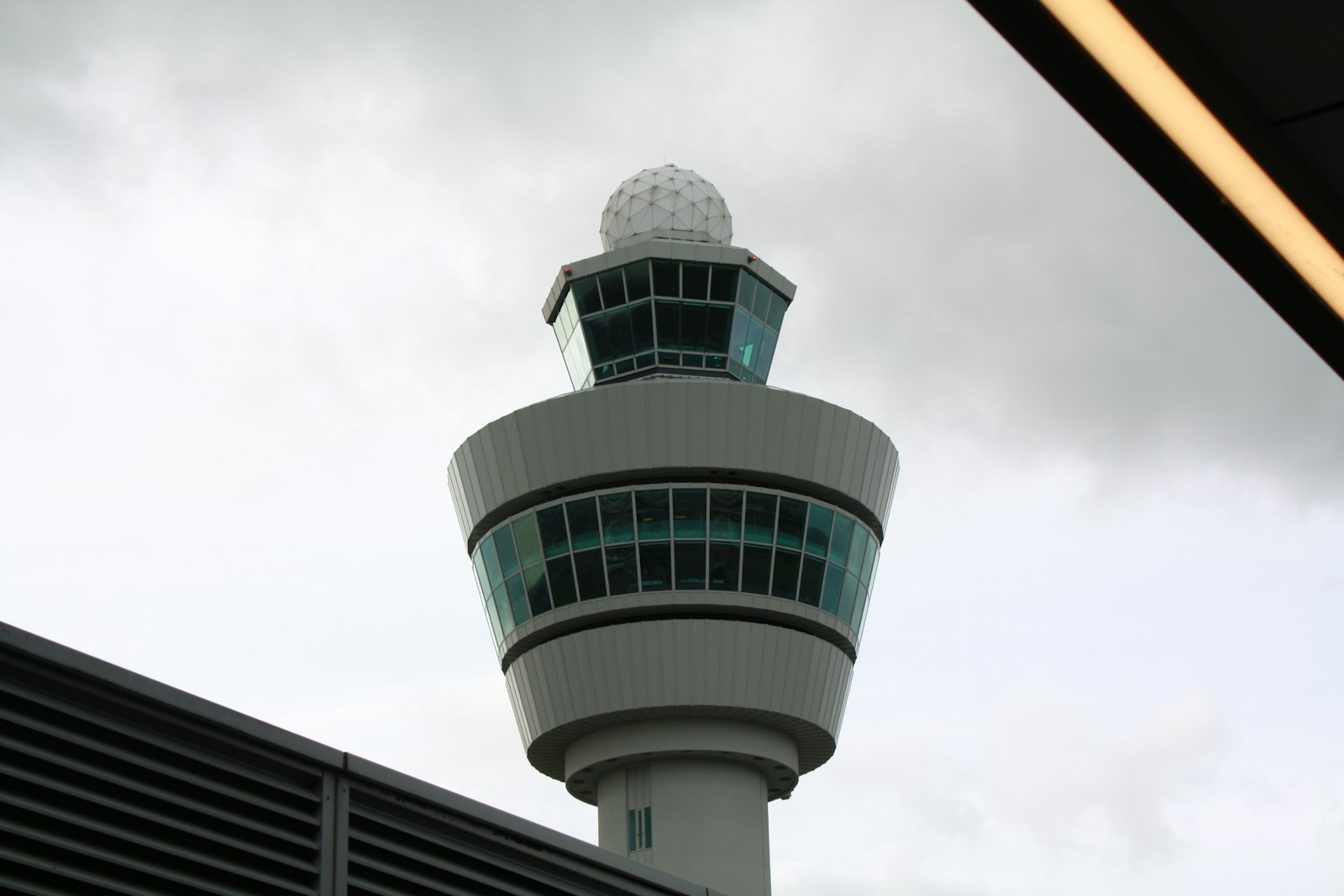
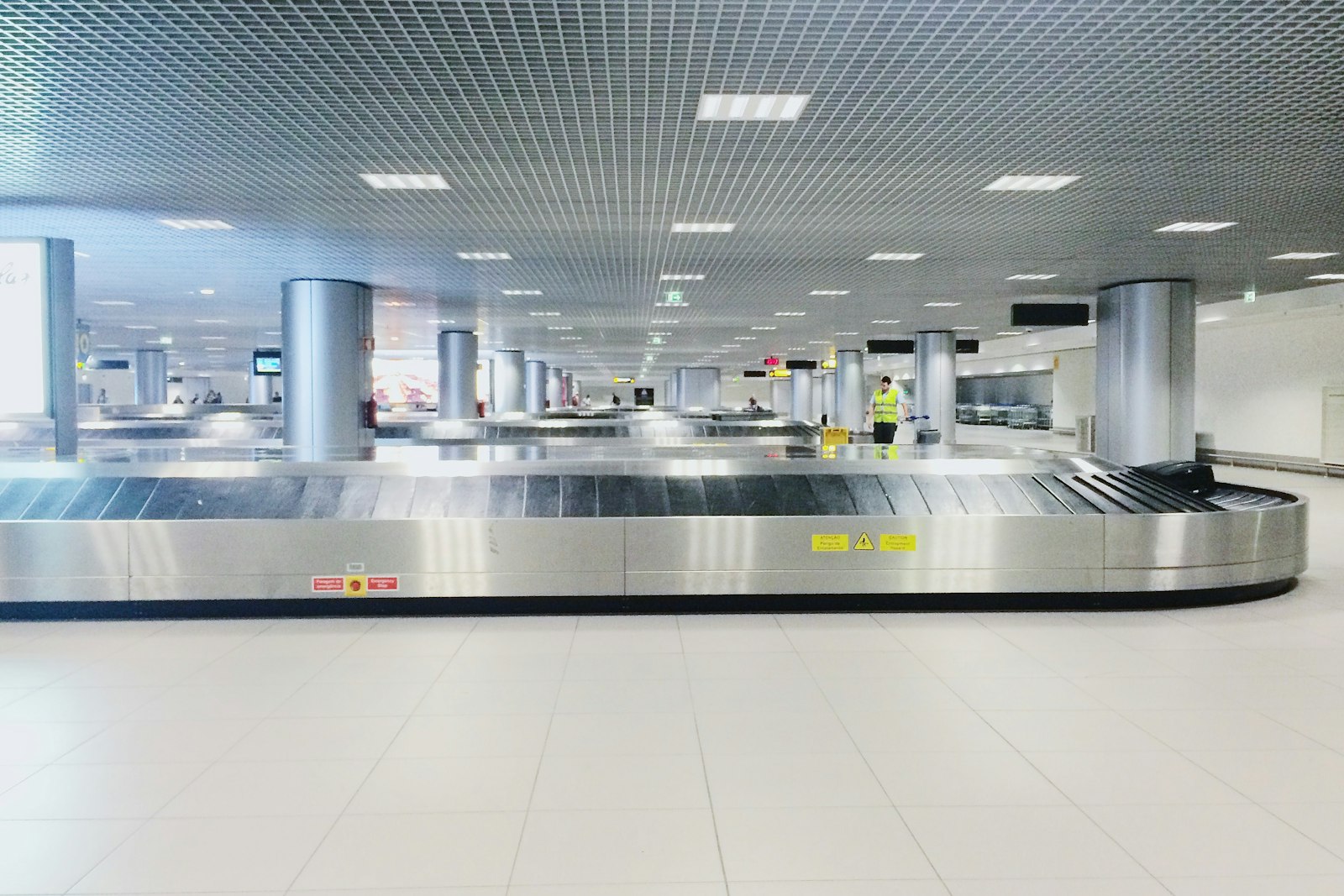

A campus that never closes
Terminals, floors and zones are set up in aQ Core so every meter point belongs to a place.
5,000 meter points connected
Existing meters and legacy systems are read as they are, with data quality scored on each point.
A live water balance
aQ WaterGuard reconciles supply against use and learns normal flow for each area of the campus.
Flow breaks the pattern
Use that departs from normal is flagged as it happens, instead of waiting for the next manual read.
Routed to the owning team
The alert goes to the facility team that owns the area, which is how a major leak surfaced right after go live.
Balance closes again
After the repair, live flow in the zone is checked against its baseline instead of a manual read months later.
How it works at A top 25 US airport.
Water spread across a campus that never closes
An airport runs around the clock. Water serves terminals, concourses, restrooms, food service and plant rooms, and it is spread across buildings of different ages and systems.
Much of the infrastructure was twenty years old and built by different vendors. Meter reads were manual, so a leak could run for months before anyone saw it in the numbers.
- Water spread across terminals with no single view
- Twenty year old systems from mixed vendors
- Manual meter reads that missed leaks for months
- No downtime allowed for a rip and replace
One live water twin over the systems already in place
Aqueduct connected the airport's meters into aQ Core without replacing what was already installed. Each meter point was mapped to its terminal, floor and zone, so a reading has a place on the campus.
aQ WaterGuard then built a live water balance and baselines for normal flow. Use that breaks pattern is flagged as it happens and routed to the facility team, so a leak is found in hours instead of at the next manual read.
- 01
Map the campus
Terminals, floors and zones are set up in aQ Core so every meter point belongs to a place.
- 02
Connect what exists
Existing meters and systems are read as they are, with no rip and replace of twenty year old infrastructure.
- 03
Go live
The deployment went live in two weeks, with data flowing from across the campus.
- 04
Balance and baseline
aQ WaterGuard reconciles supply against use and learns normal flow for each area.
- 05
Detect and respond
Anomalies are flagged around the clock and routed to the team that owns the area.
| Layer | What we deployed |
|---|---|
| Hierarchy | Campus, terminals, floors and zones in aQ Core |
| Metering | 5,000 meter points connected across the campus |
| Integration | Existing legacy systems read as they are, no rip and replace |
| Water | aQ WaterGuard live water balance and flow baselines |
| Monitoring | 24/7 anomaly detection across a campus that never closes |
| Response | Alerts routed to the facility team that owns each area |
Live in two weeks, and a leak found at once
The airport went live in two weeks. Aqueduct immediately surfaced a major leak that manual reads would have missed for months, and the campus now has one live view of water across its facilities.
- Live in two weeks, with no rip and replace
- A major leak surfaced right after go live
- 5,000 meter points on one live view
- 24/7 detection on a 2M+ sq ft campus
With water live, the same aQ Core data layer can carry energy and indoor air for the terminals. aQ EnergySmart can add weather-normalized baselines for the central plant, and Smart Controls can act on equipment where control is enabled, with owner approval.
From the field to a verified result.
What changed on site.
- Water spread across terminals with no single view
- Manual meter reads that missed leaks for months
- Twenty year old systems from mixed vendors
- No downtime allowed for a rip and replace
- One live view of water across the campus
- Anomalies flagged 24/7 as they happen
- Legacy systems read as they are, on one record
- Live in two weeks, with a major leak found at once
- Two weeks from start to live shows that a legacy campus does not need new infrastructure before it gets value.
- A leak found at go live, rather than months later at a manual read, is water and money that never gets lost.
- Once water is on aQ Core, energy and indoor air for the terminals can join the same record.
 Logistics and corporate real estate
Water stewardship across Amazon's sites, measured in real time
 Healthcare
Utility and critical room intelligence for one of India's top hospital chains
 Commercial real estate
Recharge, chiller plant and water intelligence for a 20M+ sq ft developer
Common questions
A top 25 US airport went live on Aqueduct in two weeks. Aqueduct reads the meters and systems already installed, so there is no rip and replace before data starts to flow.
aQ WaterGuard builds a live water balance and learns normal flow for each area of the campus. Use that breaks pattern is flagged as it happens, which is how the airport saw a major leak right after go live.
Yes. At this airport, Aqueduct unified twenty year old systems from mixed vendors without replacing them. It is device agnostic and reads Modbus, BACnet, M-Bus, pulse, LoRaWAN and more.
This airport has 5,000 meter points on Aqueduct, organized by terminal, floor and zone in aQ Core. Every point carries device health and data quality scoring.
The same data layer can carry energy, indoor air and equipment health. Airports often add aQ EnergySmart for the central plant and aQ AirSafe for terminals and concourses.
See Aqueduct on your own facility.
Bring a site, a utility bill or a question. We will show you where the loss is.