Reduce equipment downtime in facilities with faults fixed and failures prevented
Reducing equipment downtime in facilities means fixing faults fast and stopping failures before they happen. Aqueduct diagnoses faults from equipment data, watches early signs of failure such as vibration, sound signature and energy drift, routes work into your CMMS with a recommended fix, and confirms at the meter or sensor that the equipment is back in range.
Faults fixed, failures prevented, and every repair confirmed by the data.
Early signs of failure, before the equipment stops
- Vibration
Rising vibration on fans, pumps and compressors schedules maintenance before the wear becomes a mechanical failure.
- Sound signature
A new sound pattern on a compressor or pump is flagged as an early warning.
- Energy drift
An asset drawing more power for the same work is a sign it is degrading.

Faults found, explained and routed into your CMMS
- Component level
Faults are traced to the component, such as a fan, damper or compressor.
- Recommended fix
Each ticket carries the cause and a recommended fix in plain language.
- Your CMMS
Work routes into the CMMS you already run, with the evidence attached.
Back in range before it counts as fixed
- Measured result
Airflow, vibration or load must return to its baseline after the repair before the item closes.
- Device health
Connection rate and battery voltage per device show which sensors need attention before data goes missing.
- New baseline
Each confirmed repair resets the asset's baseline, so the next early warning is measured from a healthy state.
Equipment uptime, before and after Aqueduct
- The first sign of trouble is a failure.
- Maintenance runs on the calendar, not condition.
- Technicians repeat the diagnosis after they arrive.
- Dead sensors go unnoticed for weeks.
- Repairs close without any confirmation from the data.
 The Aqueduct way
- Vibration, sound and energy drift warn first.
- Maintenance is scheduled on early signs of failure.
- Tickets arrive diagnosed with a recommended fix.
- Device health flags sensors before data is lost.
- Data confirms the asset is back in range.
Why equipment fails without warning
Most equipment gives signals before it fails. Few facilities are listening.
Failure is the first alert
A chiller, compressor or AHU stops, and the first signal is a hot ward, a stopped line or a complaint.
Calendar maintenance
Service happens on a fixed interval, too early for some assets and too late for others.
Diagnosis on arrival
Technicians arrive with a symptom, not a cause, and repeat the diagnosis on site.
Sensors go quiet
A sensor's battery dies or connection drops, and nobody notices until data is needed.
How Aqueduct protects uptime
One compressor and one AHU, from signal to confirmation.
Equipment points, power meters, vibration sensors and acoustic sensors report into aQ Core, with device health tracked for every sensor.
Each asset has a baseline for energy, vibration and operating state.
A compressor shows rising vibration, a new sound signature and energy drift. Separately, an AHU blower fan stops and Aqueduct diagnoses a failed rotor shaft.
Compressor maintenance is scheduled before failure, and the AHU repair routes into your CMMS with the diagnosis and a recommended fix.
Airflow returns to target on the AHU and compressor vibration returns to baseline. Both items close as confirmed.
What it needs on site
Existing BMS points and meters connect if they emit telemetry. New devices are installed through partners.
| Device | What it measures or does | Why it matters |
|---|---|---|
| BMS points or field device controller | Equipment states, setpoints, alarms | Fault detection from component behavior |
| Power meters on major assets | kW, power factor, runtime | Energy drift as an early sign of failure |
| Vibration sensors | Vibration on rotating equipment | Early signs of mechanical wear |
| Acoustic sensors | Sound signature | Changes that precede failure |
| Differential pressure sensors (optional) | Filter and coil condition | Maintenance alerts, such as filter changes |
Equipment almost always warns before it fails, if someone is listening.
Talk to our teamOutcome
What changes when equipment is watched continuously.
Failure is the first alert.
Early signs of failure schedule maintenance first.
Planned work instead of emergency repairs.
Technicians diagnose on arrival.
Faults arrive diagnosed with a recommended fix in your CMMS.
Shorter repairs and fewer repeat visits.
Degrading equipment wastes energy.
Energy drift tracked per asset against baseline.
Waste found as an early sign of failure.
Who cares about this
The seats that ask for this first.
Where teams put it to work
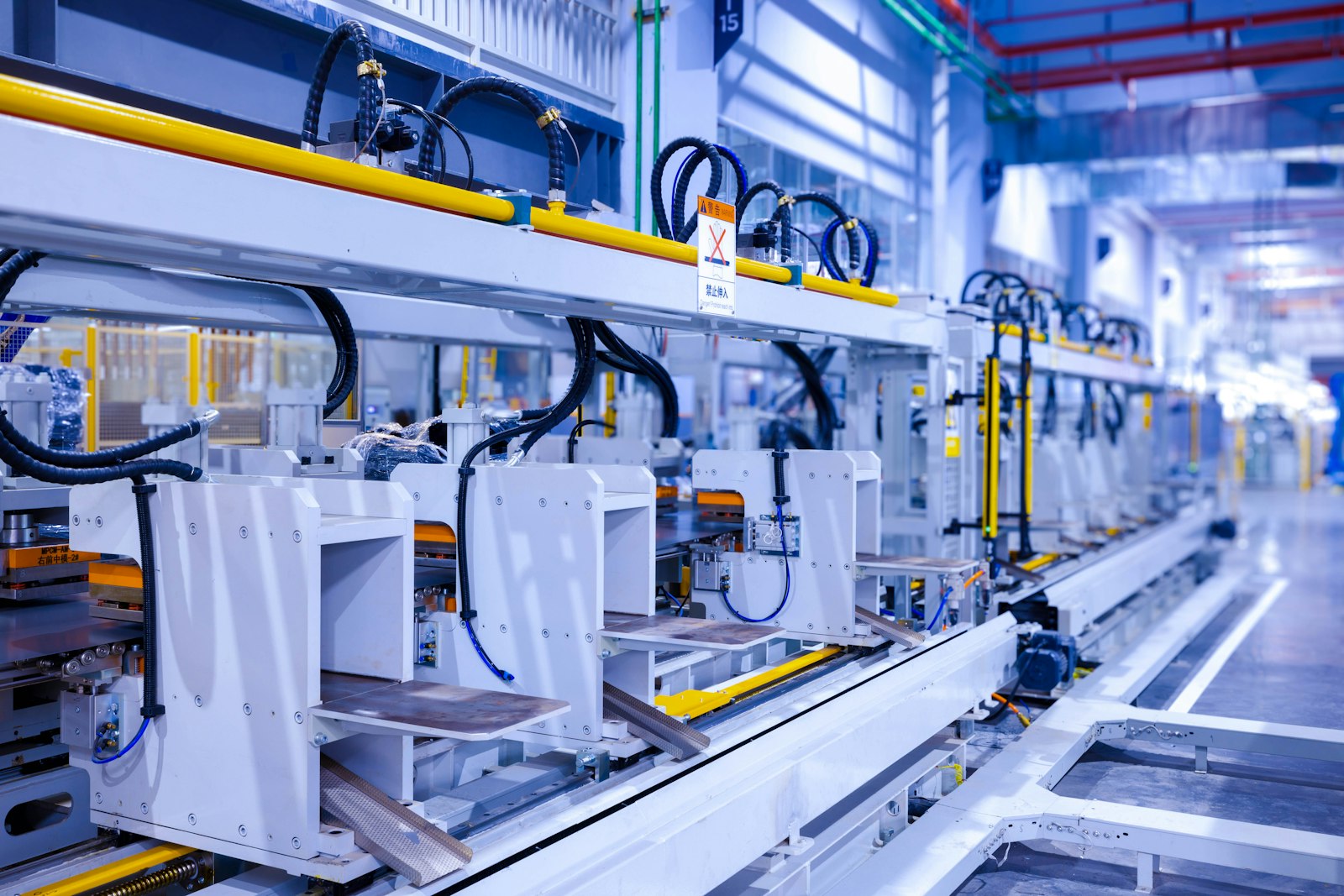
Compressors and pumps watched for wear
Compressed air, pumps and process utilities report vibration and energy drift, so maintenance happens before a line stops.
Learn more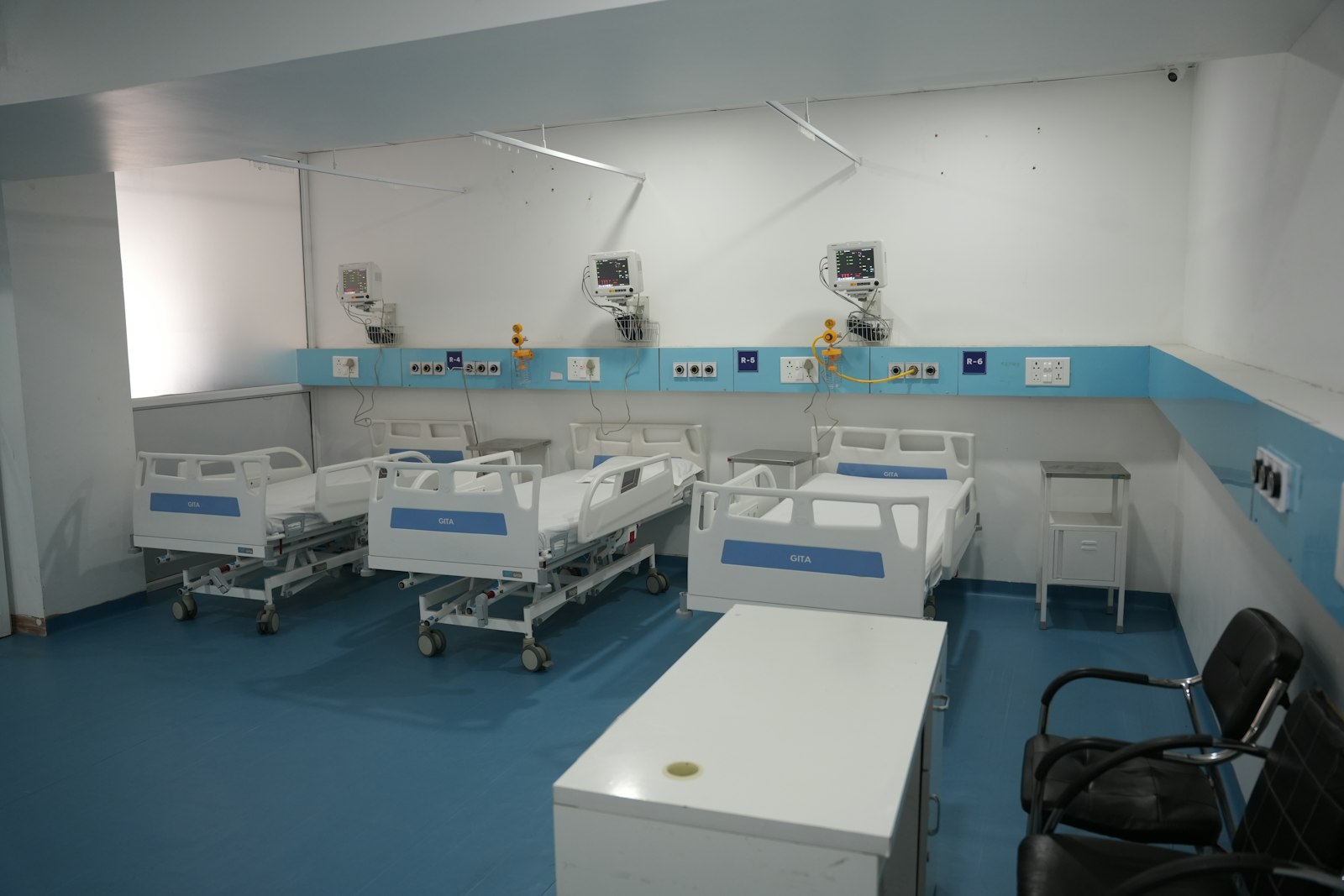
Plant that wards never notice
AHUs, chillers and pumps show early signs of failure and are diagnosed and repaired before wards or theaters feel any change.
Learn more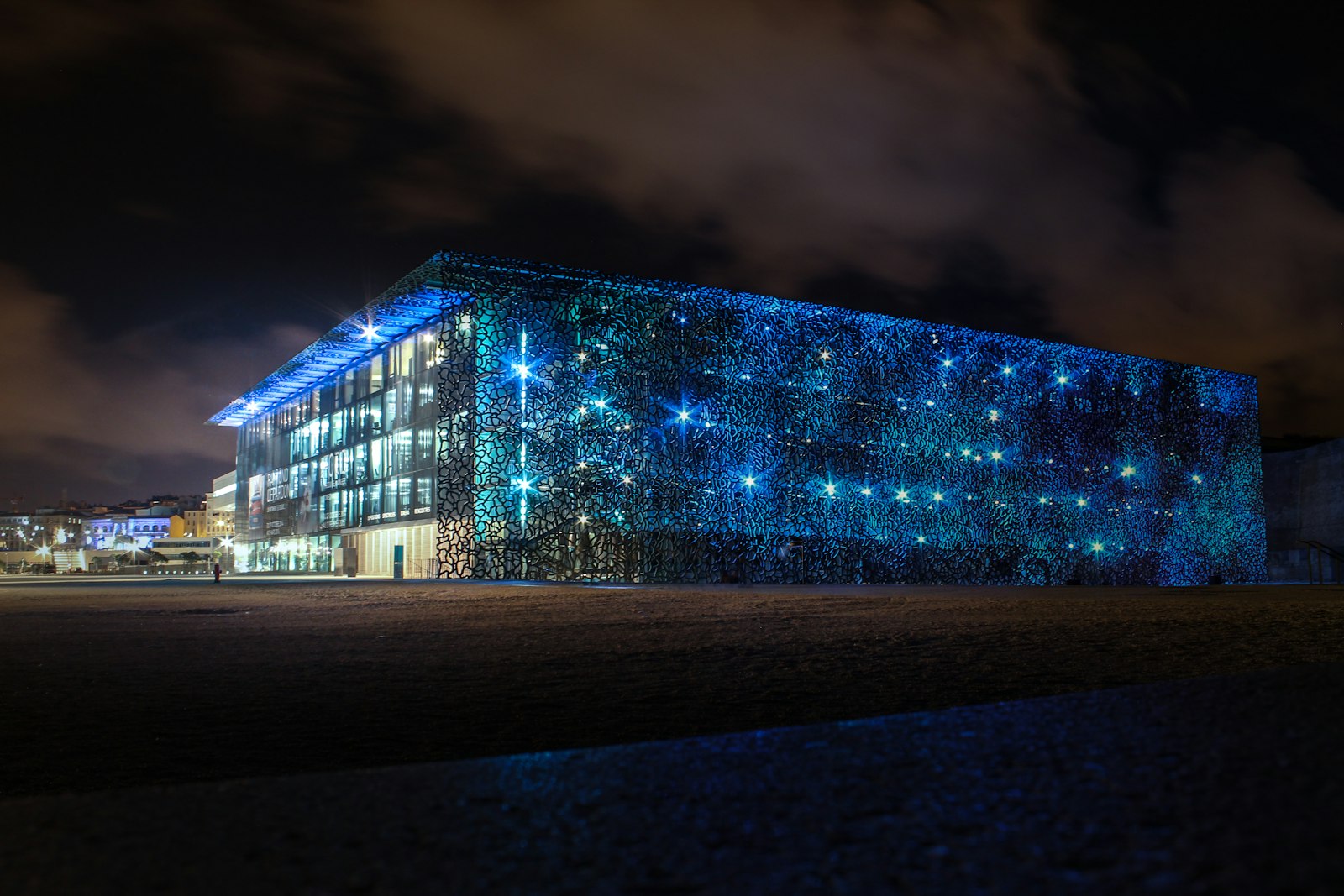
Cooling kept ahead of failure
Cooling equipment and power feeders are watched for early signs of failure in facilities where uptime is the whole business.
Learn moreThe assets that stop operations, and the signal each gives first
Most equipment warns before it fails. The warning just lives in a different signal for each asset type.
Chillers
Fouled condensers and low refrigerant push power up for the same cooling until a trip
Feeder kW, discharge pressure, supply and return temperatures
Flags rising energy per unit of cooling under similar conditions
Refrigeration compressors
Bearing wear and valve damage develop for weeks before failure
Vibration, sound signature, matched electrical input
aQ PredictIQ schedules maintenance before the room warms
Air handlers
Belt slip, failed rotor shafts and fans stopped without an alarm
Fan status against command, airflow, power
Diagnoses the component and routes the fix
Pumps
Cavitation and impeller wear raise power and vibration
Vibration, power, flow where metered
Tracks energy drift against the pump's own baseline
Valves and dampers
Stuck, hunting or disconnected actuators
Command against feedback position
Lists actuators that do not follow their command
Filters and coils
Loading raises fan power and cuts airflow
Differential pressure
Maintenance alert on condition, not calendar
Sensors themselves
Dead batteries and lost connections hide every other signal
Connection rate, battery or capacitor voltage
Device health names the sensor to replace
Two kinds of finding, handled differently
A fault is already happening. An early warning is a trend toward one. Aqueduct treats them differently because the right response is different.
| Fault | Early warning | |
|---|---|---|
| Example | AHU supply fan stopped while commanded on | Compressor vibration rising over three weeks |
| Signal | Command against feedback, status, alarms | Vibration, sound signature, energy drift |
| Urgency | Now: comfort, product or process at risk | Planned: book a window before failure |
| Ticket content | Component, evidence, recommended fix | Trend, likely cause, suggested window |
| Closes when | Airflow or status returns to target | Signal returns to the asset's baseline |
| Module | aQ Core and Smart Controls data | aQ PredictIQ |
From critical asset list to planned maintenance
Start with the assets whose failure costs the most, then widen.
Name the critical assets
Operations and engineering agree the list: the chillers, compressors, pumps and air handlers whose failure stops a ward, a line or a cold room.
Connect and add sensors
BMS points and power meters connect. Vibration and acoustic sensors are fitted through partners on rotating equipment.
Learn each asset's baseline
Normal vibration, power and operating patterns are learned per asset, so drift is measured from a healthy state.
Planned work replaces emergencies
Early warnings become scheduled work orders in your CMMS, and every repair closes only when the data confirms it.
What changes for each team when equipment is watched
Maintenance
Work moves from emergency call-outs to planned windows, with the cause and a recommended fix on the ticket before anyone leaves the workshop.
Operations
Fewer stopped lines, warm wards and lost cold rooms, and a standing list of the assets most likely to fail next.
Engineering
Component-level evidence for root cause, and a record of whether each repair actually brought the asset back to its baseline.
Finance
Repair spend shifts from premium emergency rates to scheduled work, and degrading assets show their energy cost before they fail.
sites in 21 countries run on Aqueduct.
and 9 clinics in one of India’s top hospital chains.
US airport running water intelligence on Aqueduct.
of commercial real estate under Aqueduct.
FMCG manufacturing campus.
operations run on Aqueduct.




Related
Common questions
Catch faults quickly, act on early signs of failure, and confirm every repair. Aqueduct diagnoses faults from equipment data, schedules maintenance when vibration, sound signature or energy drift change, and routes work into your CMMS.
Fault detection and diagnostics acts after a fault has happened: it finds, diagnoses and fixes it. Predictive maintenance acts before failure: early signs such as rising vibration schedule maintenance first. Aqueduct does both.
Vibration, sound signature and energy drift on equipment such as compressors, pumps, fans and chillers, plus differential pressure for filters where sensors are installed.
No. Aqueduct integrates with your CMMS. It routes faults and maintenance requests with a diagnosis and recommended fix; technicians, inventory and work orders stay in your CMMS.
The device health tab shows connection rate and battery or capacitor voltage per sensor, so teams replace the right device before data gaps affect decisions.
Where control is enabled with owner approval, Aqueduct can change schedules and setpoints through relays or field device controllers, with lockouts and full command history.
Rotating equipment whose failure stops something important: refrigeration compressors, chiller compressors, critical pumps and supply fans. Assets with a history of unplanned failure are a good place to start.
Typically several weeks of operation across normal load patterns. The baseline keeps improving, and each confirmed repair resets it to a healthy state.
Yes. Existing alarms and points connect over BACnet or Modbus. Aqueduct adds command against feedback, energy drift and condition signals that most BMS alarm lists do not cover.
Device health shows its connection rate and voltage falling, so it is replaced before the data gap hides a real problem.
Not entirely. Statutory and manufacturer inspections still apply. Condition data lets you bring forward work on assets that are degrading and question work on assets that are healthy.
See Aqueduct on your own facility.
Bring a site, a utility bill or a question. We will show you where the loss is.