Predictive maintenance for HVAC and plant equipment: stop failures before they happen.
Predictive maintenance is proactive: it catches early signs of failure, such as rising vibration, a new sound signature or energy drift, so maintenance happens before the fault and the disruption never occurs. Aqueduct delivers predictive maintenance for HVAC and plant equipment: it watches those signals per asset, schedules the work through your CMMS, and confirms the asset is back to healthy behavior.
Catch the early signs of failure and schedule the work before anything stops.
Learn how each asset sounds and behaves when it is well
- Vibration baseline
Each compressor, pump and fan gets a vibration baseline under its normal operating conditions.
- Sound signature
Acoustic sensors capture each asset's normal sound, so a new signature stands out early.
- Energy per output
Power drawn for the same work is tracked, so slow energy drift becomes visible.
Rising vibration, a new sound or energy drift
- Wear before failure
Bearings, belts and compressors give warning signs. Aqueduct flags them against the healthy signature.
- Linked sensors count
Triggers can use any metric, including a linked filter pressure sensor rather than the unit itself.
- Fault versus prediction
Faults that happened go through FDD. Early signs schedule maintenance before the fault ever occurs.
Maintenance scheduled in the next low-load window
- Tickets with evidence
A maintenance ticket goes into your CMMS with the trend evidence and the asset location.
- Timed for low load
Work is scheduled for a quiet window, so service never interrupts production or comfort.
- Healthy again
After service, vibration, sound and energy return to the healthy signature, which becomes the new baseline.
Maintenance, before and after Aqueduct
- Critical equipment runs until it stops, then everything is urgent.
- Healthy units are serviced because a date came up.
- Worn bearings and belts give warnings nobody hears.
- Energy drift hides inside the monthly total.
- Nobody confirms the asset is healthy after service.
 The Aqueduct way
- Early signs schedule the work before the asset stops.
- Service follows condition, so healthy units are left alone.
- Vibration and acoustic sensors hear wear as it starts.
- Energy per unit of work is tracked against baseline.
- The healthy signature confirms the asset after every service.
What maintenance looks like without Aqueduct
Most equipment is either serviced on a calendar or fixed after it breaks.
Run to failure
Critical equipment runs until it stops. The repair is urgent, expensive and disruptive.
Calendar maintenance
Healthy equipment is serviced because the date came up, while worn equipment waits for its slot.
Wear is invisible
Bearings, belts and compressors give warning signs long before they fail. Nobody is listening.
Energy drift goes unnoticed
A unit slowly draws more power for the same work, and the extra cost hides in the total.
How predictive maintenance works
Powered by aQ PredictIQ on aQ Core, with vibration and acoustic sensors and equipment metering.
Instrument the critical assets
Vibration and acoustic sensors connect alongside power meters and equipment points. Anything that emits telemetry can be onboarded. Installation is through partners.
Learn each asset's healthy signature
Each asset gets a baseline for vibration, sound and energy under its normal operating conditions.
Catch early signs of failure
Rising vibration, a new sound signature or energy drift against that baseline is flagged before the asset faults.
Schedule the work in time
Maintenance triggers raise an alert and route a ticket into your CMMS with the evidence, so the work is planned rather than urgent.
Confirm the asset is healthy
After service, vibration, sound and energy return to the healthy signature, which becomes the new baseline.
One failure that never happened
An illustrative case on a chiller plant compressor.
Vibration and acoustic sensors on the compressor report with its power meter.
The compressor has a healthy baseline for vibration, sound and energy at each load.
Vibration is trending up, a new sound signature appears and energy per unit of cooling is drifting. Aqueduct flags early bearing wear.
A maintenance ticket goes to the CMMS with the trend evidence, scheduled for the next low-load window.
After service, vibration, sound and energy return to the healthy signature. The compressor never faulted.
FDD and predictive maintenance are not the same thing
Both run on the same data layer. They answer different questions at different times.
| Fault detection and diagnostics (FDD) | Predictive maintenance | |
|---|---|---|
| When | Reactive, after the fault | Proactive, before the fault |
| Question | What failed, why, and how do we fix it? | What is wearing, and when should we service it? |
| Signals | Stopped equipment, setpoints missed, sequence exceptions, abnormal states | Early signs of failure: vibration, sound signature, energy drift |
| Example | An AHU blower fan stops. Aqueduct flags it, diagnoses a failed rotor shaft, routes the fix and confirms airflow is back. | A compressor shows rising vibration, a new sound signature and energy drift. Aqueduct schedules maintenance before it fails. |
| Promise | Faults found, diagnosed and fixed. | Stops failures before they happen. |

Problem, solution, impact
Unplanned outages from run-to-failure.
Early signs of failure caught per asset.
Work planned before the fault, so the disruption never happens.
Worn equipment drawing more power.
Energy drift tracked against each asset's baseline.
Wasted energy caught as an early warning, not a surprise on the bill.
Comfort lost when HVAC fails.
HVAC components watched for wear before they fail.
Ventilation and comfort kept steady.
What you get
Vibration and sound
Early mechanical wear caught from vibration and acoustic signatures.
Energy drift
More power for the same work, flagged against baseline.
Maintenance triggers
Rules on any metric, including linked sensors such as filter pressure.
Planned work in your CMMS
Tickets with evidence, scheduled before the fault.
Where it fits
- Predictive maintenance tools
- Calendar-only maintenance planning
- CMMS
- EAM
- Historians
Aqueduct integrates with your CMMS. It does not manage technicians, inventory or work order workflows.
Related terms and standards
Where teams put it to work
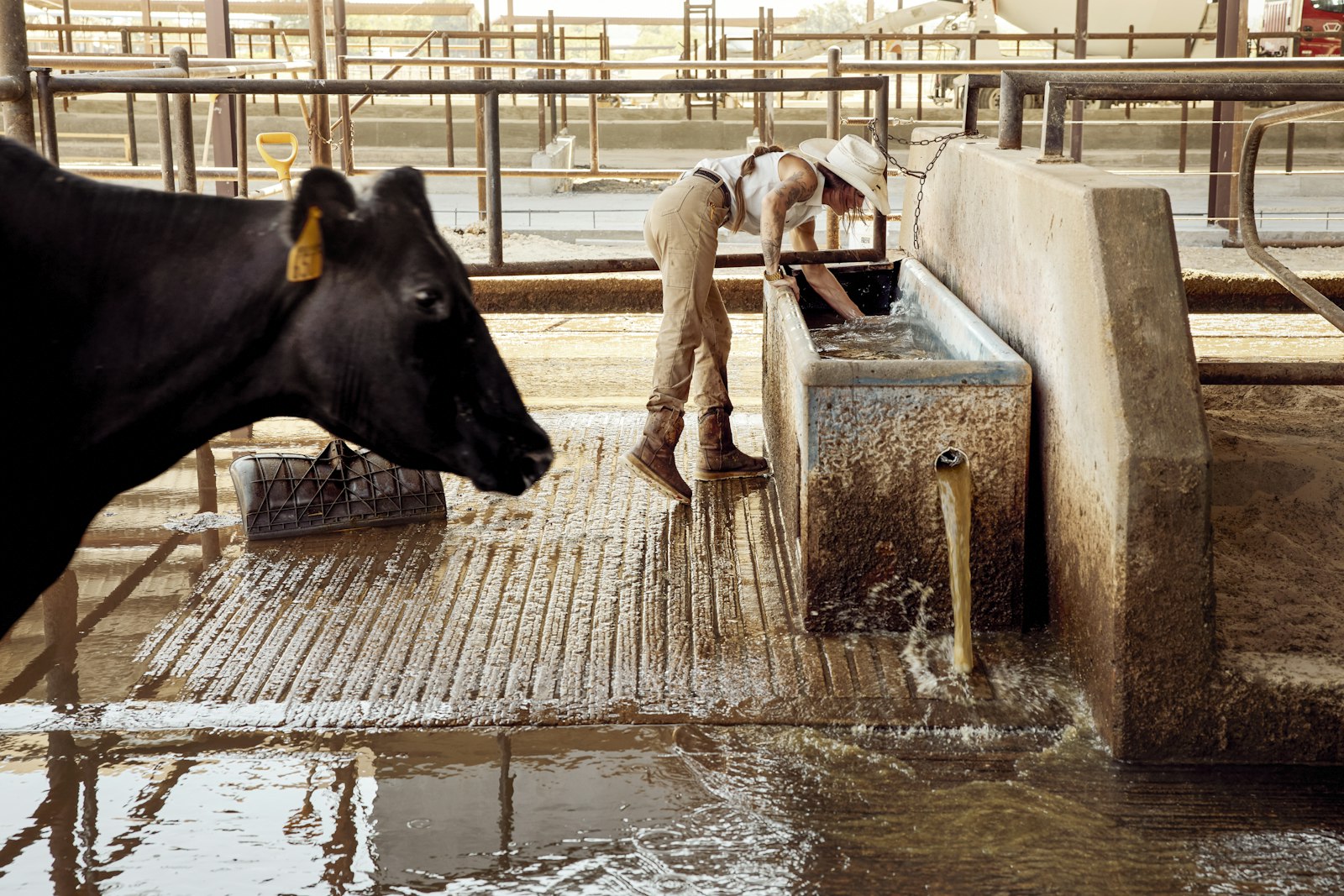
Refrigeration compressors that keep running
Refrigeration compressor vibration, sound and energy drift are tracked against healthy signatures, so service happens before stored product is ever at risk.
Learn more
Cooling plant watched for early wear
Pumps, fans and chillers serving the white space carry healthy signatures, so maintenance is planned before cooling capacity is lost.
Learn more
Rotating plant on the production floor
Motors, pumps and compressors on the line are monitored for early signs, so maintenance lands in planned downtime, not mid shift.
Learn moreRelated
Common questions
It is proactive maintenance. Early signs of failure, such as vibration, sound signature and energy drift, are caught so maintenance happens before the fault.
FDD is reactive: something has failed and it is detected, diagnosed and fixed. Predictive maintenance is proactive: the failure is prevented. Aqueduct does both, on the same data layer.
Rotating and critical equipment such as compressors, pumps, fans, chillers and air handlers, where a failure is disruptive and wear gives early warning.
Often vibration or acoustic sensors are added to critical assets. Existing power meters and equipment points are used where available. Installation is through partners.
They are closely related. Condition-based maintenance triggers work from measured condition. Predictive maintenance uses those signals to act before the condition becomes a fault.
See Aqueduct on your own facility.
Bring a site, a utility bill or a question. We will show you where the loss is.