NABH facility and infection control records, from continuous measurement
NABH is the National Accreditation Board for Hospitals and Healthcare Providers, the Quality Council of India's accreditation program for hospitals. Its facility management and safety and infection control chapters ask for safe utilities, maintained equipment and controlled environments. Aqueduct supplies continuous water, electricity and air records, fault findings and verified closures. Your quality team owns accreditation.

Safe utilities and controlled air, recorded every hour a hospital runs.
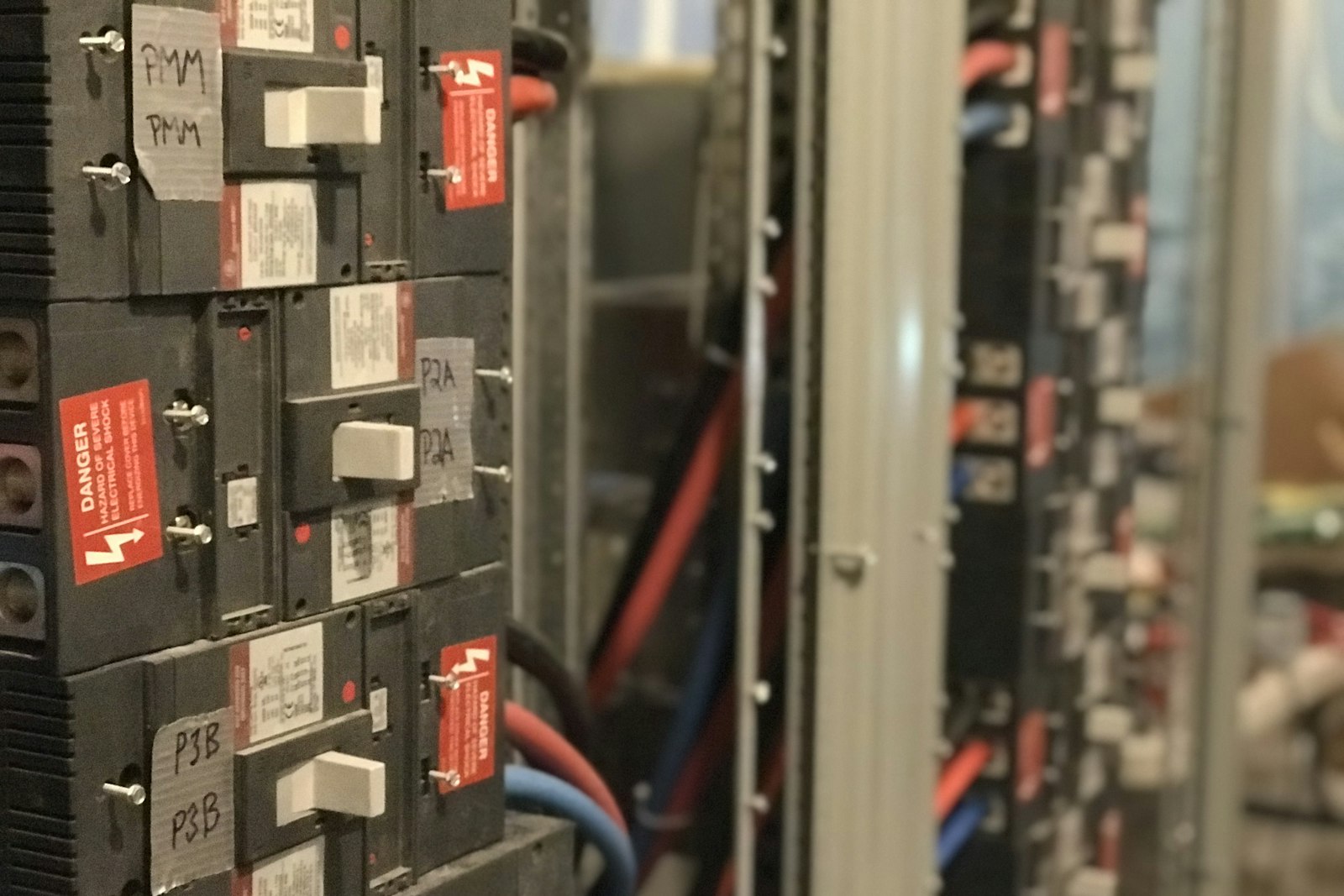
Grid, solar and generators on one live single line
- Every source metered
Grid supply, rooftop solar and diesel generators appear as separate sources in the energy balance.
- Power quality
Power factor, demand and loading against rated capacity are shown for each feeder.
- Faults surfaced
Abnormal loads and failing equipment are flagged and routed to your CMMS.
Water supply and treatment plants measured continuously
- Live water balance
Supply is reconciled against wards, plant and loss, so leaks show up as unaccounted flow.
- RO and STP
Recovery, TDS and treatment efficiency are tracked where the hospital has these plants.
- Leaks routed
Loss is localized to the line, priced and sent for repair, then verified.
Theaters, ICUs and wards recorded zone by zone
- Zone conditions
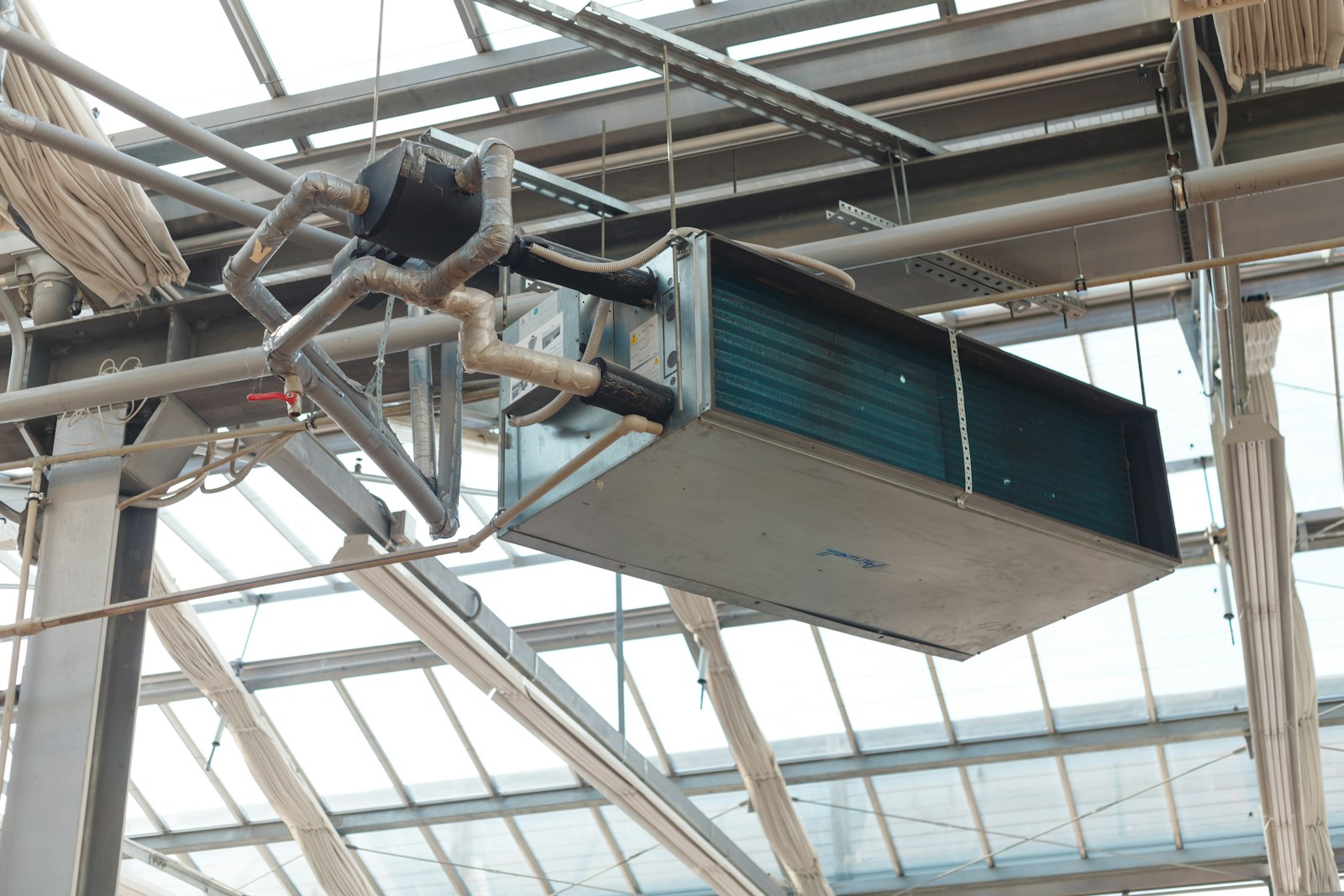
Temperature, humidity, CO2 and particulates are recorded in every zone a sensor covers.
- Excursions flagged
Conditions outside the hospital's set ranges raise a finding with the zone and time.
- Verified in range
After a fix, the zone must hold its range again before the finding closes.
Hospital facility records, before and after Aqueduct
- Utility logs are filled in by hand once a shift.
- Generator performance is known only during a failure.
- Water leaks surface as damp walls in a ward.
- Theater conditions are checked at validation, then assumed.
- Assessment week means collecting paper from every department.
 The Aqueduct way
- Utilities are recorded continuously on a 60-second refresh.
- Every power source is metered on a live single line.
- Leaks show up as unaccounted flow in the water balance.
- Theater air is recorded every hour it is in use.
- Records export by zone, line and asset on request.
What NABH is and who it applies to
The National Accreditation Board for Hospitals and Healthcare Providers (NABH) is a constituent board of the Quality Council of India. It sets accreditation standards for hospitals, small healthcare organizations and other providers, and assesses them against those standards. Accreditation is voluntary, and many hospitals in India pursue it to show patients, insurers and partners that care meets a national benchmark.
The hospital standards are organized in chapters. Facility Management and Safety covers a safe physical environment, including utilities such as electricity, water and medical gases, and the maintenance of equipment. Hospital Infection Control covers practices that reduce infection risk, including the environment in critical areas such as operation theaters.
Assessors look for systems and records. Continuous measurement makes those records complete rather than sampled. Check the current edition of the standards for exact objective elements.
NABH requirement areas and the evidence Aqueduct supplies
Continuous records for facility and infection control teams. Accreditation stays with the hospital.
| Requirement area | Evidence Aqueduct supplies |
|---|---|
| Electricity supply and backup | Grid, solar and diesel generator metered on a live electrical twin, with power quality and demand |
| Water supply | Water metered by building and line in a live balance, with leaks flagged and routed |
| Water treatment | RO and STP performance, including recovery, TDS and treatment efficiency, where installed |
| Air in critical areas | Temperature, humidity, CO2 and particulates per zone, with excursions flagged |
| Equipment maintenance | Fault findings on AHUs, chillers and pumps routed to your CMMS, with verified closures |
| Records for assessment | Continuous histories by zone, line and asset, exportable for assessors |
How Aqueduct supplies NABH evidence
Facility teams see problems early, and the record builds itself.
Meter utilities
Electricity, water and treatment plants are metered over LoRaWAN, Modbus, M-Bus or pulse outputs, with installation through partners.
Sense critical zones
Air quality sensors in theaters, ICUs, wards and waiting areas record conditions every occupied hour.
Flag and route
Excursions, leaks and equipment faults become findings routed to your CMMS with a recommended fix.
Verify and keep the record
Each fix is verified by the data, and histories are kept for assessors and internal audits.
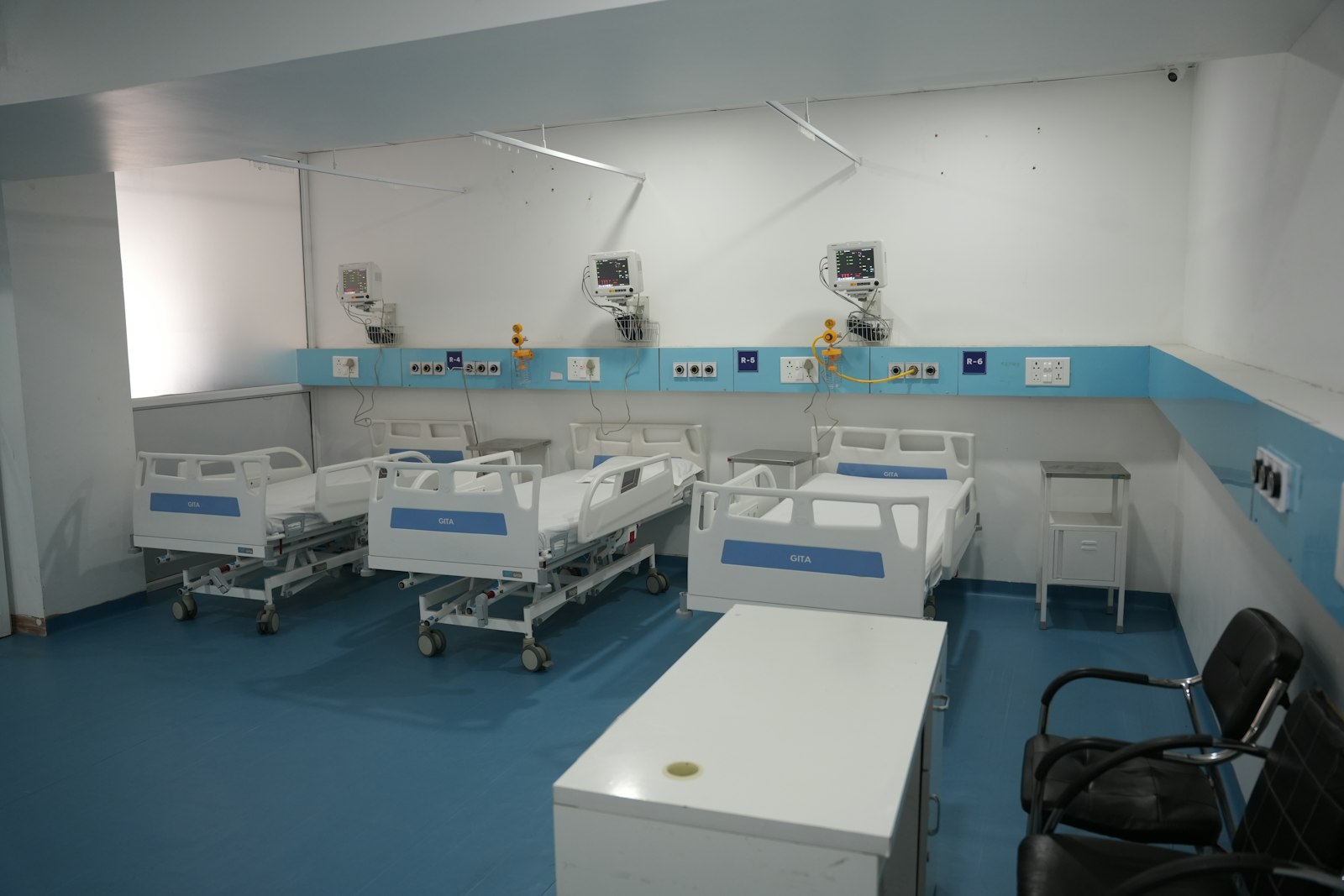
Hospitals never stop, so their facility records should never stop either.
Talk to our teamWhat stays with your hospital
Aqueduct supplies records. The hospital runs the program.
Policies and committees
Facility safety and infection control programs, committees and policies are owned by the hospital.
Clinical validation
Theater validation, water quality testing and clinical protocols are carried out by qualified teams.
Assessment
NABH assessors evaluate the hospital and NABH grants accreditation. Aqueduct does not accredit anyone.
Related standards
Often relevant to hospital facilities.
Where teams put it to work
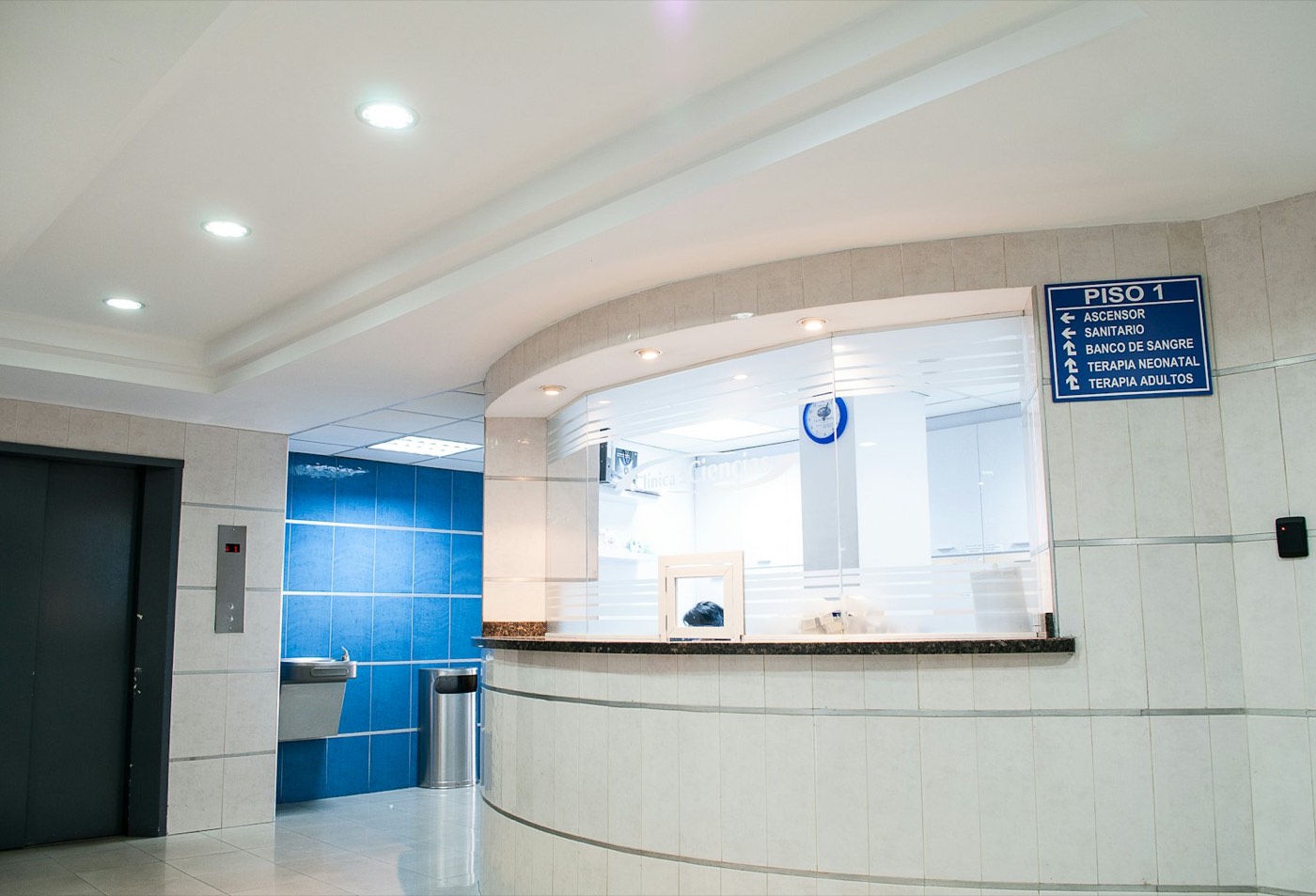
One platform across many hospitals
A hospital chain with 22 hospitals and 9 clinics is an Aqueduct client. One data layer lets a group compare water, energy and air across every site.
Learn more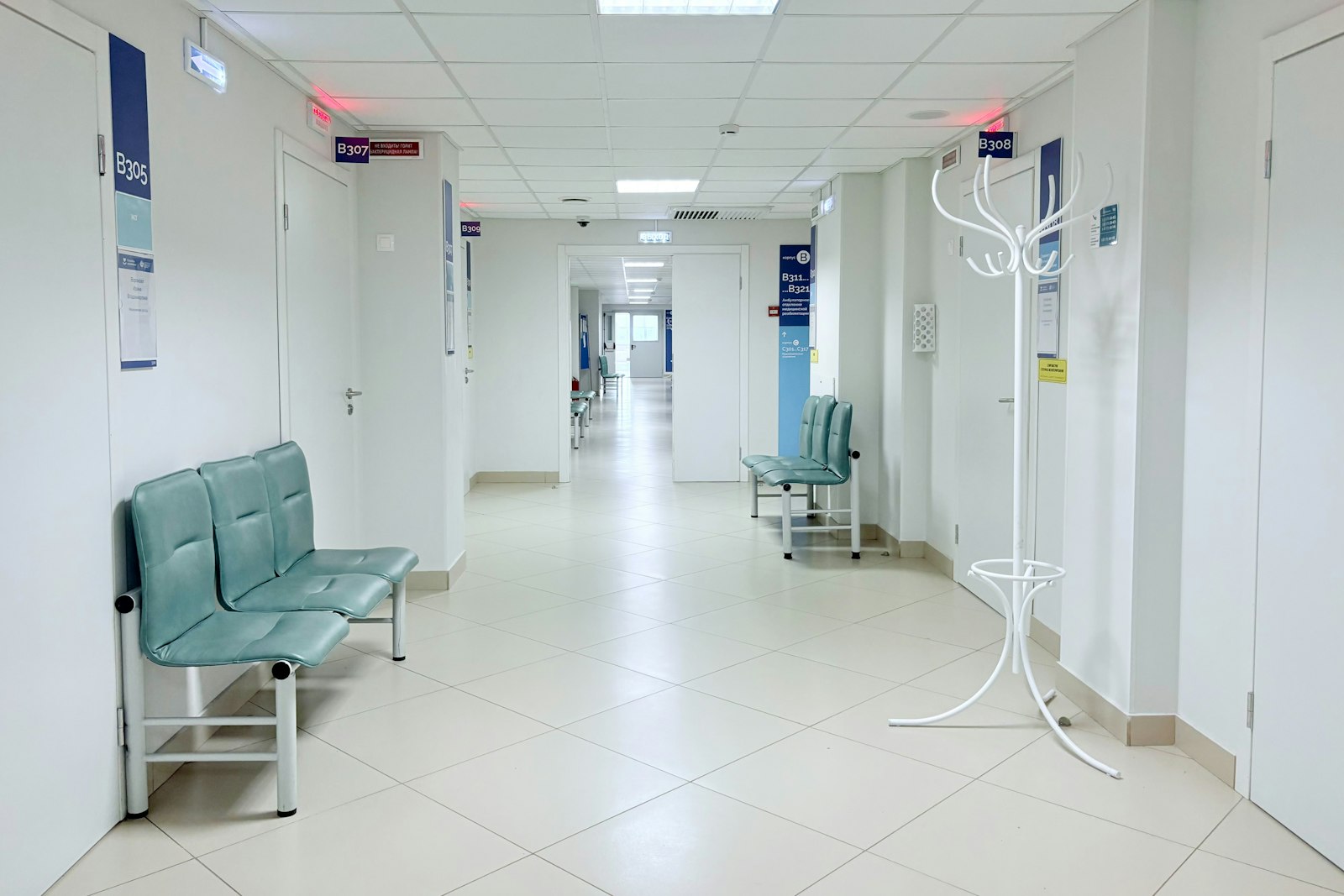
Critical air recorded per theater
Each theater's conditions are recorded continuously, so infection control teams see excursions as they happen, not at the next validation.
Learn more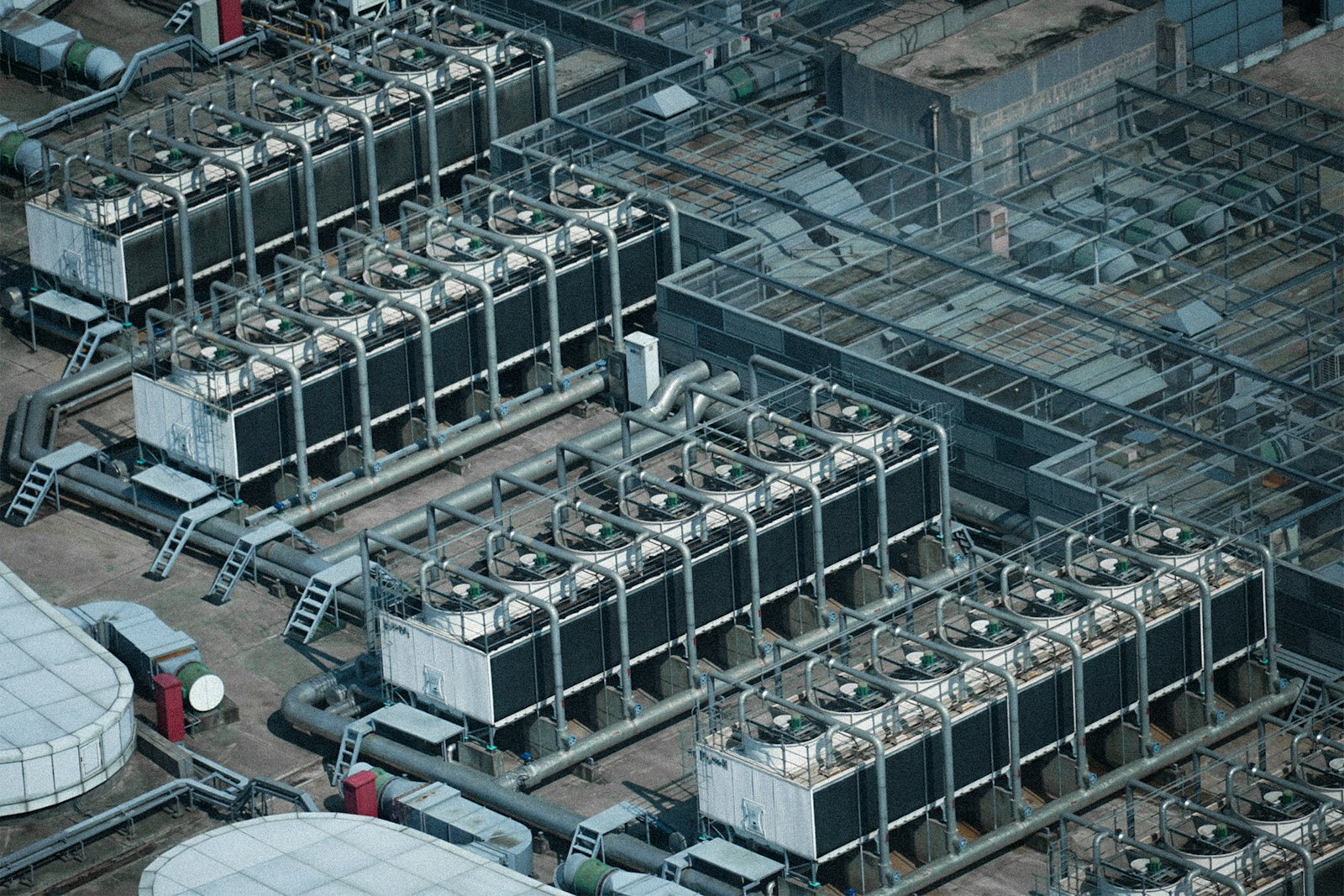
Pumps, chillers and AHUs maintained
Equipment faults on pumps, chillers and air handlers are found, diagnosed and routed to the hospital's CMMS, with closure verified in the data.
Learn moreThe NABH areas that facility data supports
NABH hospital accreditation standards are organized in chapters. Facility Management and Safety and Hospital Infection Control carry most of the utility and environment expectations. Check the current edition for chapter and objective numbering.
Operation theater air conditioning
NABH guidance for operation theaters covers temperature, humidity, air changes, positive pressure and filtration. Surveyors ask for records, not only design.
- Temperature and humidity per OT
- Pressure relative to the corridor
- AHU status and filter condition
- Data needed
- OT conditions over time
- Source
- AirSafe sensors, room pressure monitors, BMS
- Aqueduct
- per-OT records and excursions
Utilities and backup power
Facility management standards expect reliable electricity, water and medical gases, with backup systems maintained and tested.
- Grid and DG set energy
- DG run hours and test records
- UPS and critical feeder loads
- Data needed
- utility availability and tests
- Source
- energy meters on incomers and DG sets
- Aqueduct
- power events and test records
Water supply and quality
Hospitals must maintain adequate safe water. Storage, supply continuity and quality checks are part of facility and infection control expectations.
- Tank levels and supply continuity
- Water by source
- Quality checks recorded
- Data needed
- supply, storage and quality
- Source
- flow meters, level sensors, quality sensors
- Aqueduct
- water balance and alerts
Temperature-sensitive areas
Pharmacy, blood storage and sterile stores need controlled temperature and humidity, with records.
- Temperature and RH per store
- Excursions with duration
- Corrective actions
- Data needed
- conditions per store
- Source
- temperature and humidity sensors
- Aqueduct
- excursion logs
Equipment maintenance
Plans for preventive maintenance and breakdown response, with records, are expected for critical facility equipment.
- Faults detected from equipment data
- Work orders to the CMMS
- Closure confirmed by readings
- Data needed
- faults and closures
- Source
- BMS, meters, CMMS
- Aqueduct
- fault alerts and closure records
NABH facility areas mapped to meters and sensors
A starting kit for a hospital preparing for an NABH assessment.
| Area | What to measure | Meters and sensors | Aqueduct output |
|---|---|---|---|
| Operation theaters | Temperature, RH, pressure | AirSafe sensors, pressure monitors | Per-OT records |
| ICUs and isolation rooms | Temperature, RH, CO2, pressure | AirSafe sensors, BMS points | Per-room records |
| Pharmacy and stores | Temperature and RH | Temperature and humidity sensors | Excursion logs |
| Electrical supply | Grid and DG energy | Incomer and DG meters | Power events |
| DG testing | Load and run hours | DG meters | Test records |
| Water supply | Flow and tank levels | Flow meters, level sensors | Supply and storage alerts |
| Water quality | TDS and other parameters where fitted | Quality sensors | Quality trends |
| Facility equipment | Faults and condition | BMS and equipment points | Fault and closure records |
Preparing facility records for an NABH assessment
Based on how hospital groups roll Aqueduct out across many sites.
List critical areas
Map OTs, ICUs, isolation rooms, stores, DG sets and water tanks, with the limits your hospital follows.
Connect and install
Read existing BMS and meters, and install AirSafe and WaterGuard sensors where records are manual.
Run the response loop
Route excursions to the right team and close each with an action and a confirming reading.
Assemble records
Export area records, excursion logs, DG tests and maintenance closures for the assessment period.
Where hospital facility records fall short
Manual logs with gaps
Twice-daily readings miss the night shift and weekends. Continuous sensors fill the hours between rounds.
DG tests without load data
Run hours are logged, but not whether the set carried load. Meters on the DG set record both.
Group sites that differ
Each hospital keeps records its own way. One model across sites, as used by one of India's top hospital chains across 22 hospitals and 9 clinics, makes them comparable.
Sources1 references cited on this page
sites in 21 countries run on Aqueduct.
and 9 clinics in one of India’s top hospital chains.
US airport running water intelligence on Aqueduct.
of commercial real estate under Aqueduct.
FMCG manufacturing campus.
operations run on Aqueduct.


Related
Common questions
NABH accreditation is the Quality Council of India's accreditation for hospitals and healthcare providers, assessed against national standards. Aqueduct supplies continuous utility, water and air records that support the facility management and infection control chapters.
It covers a safe physical environment, including utilities such as electricity, water and medical gases, and equipment maintenance. Aqueduct meters electricity and water, monitors treatment plants and routes equipment faults to your CMMS.
Air quality sensors in each theater record temperature, humidity, CO2 and particulates continuously. Aqueduct flags excursions and routes the fix, while clinical validation stays with qualified teams.
No. NABH assessors evaluate the hospital and NABH grants accreditation. Aqueduct supplies continuous records and helps facility teams act on problems early.
Yes. Aqueduct meters grid supply, solar and diesel generators on a live electrical twin, showing load, power factor and demand. That gives facility teams a record of how backup sources performed.
Yes. A hospital chain with 22 hospitals and 9 clinics is an Aqueduct client. Hospital groups use one platform to compare water, energy and air across sites.
No. Aqueduct integrates with your CMMS, sending tickets with a recommended fix and reading verified closures back. Your CMMS keeps managing technicians and work orders.
Facility Management and Safety covers utilities, safety and maintenance, and Hospital Infection Control covers related environmental conditions. Check the current edition for exact chapters.
Yes, with temperature and humidity sensors in each store, logged continuously with excursions flagged. Dedicated medical refrigerator alarms stay in place.
Use one site, floor, zone and device model for every hospital, with the same limits per area type. Aqueduct holds all sites in one hierarchy, so excursions and records compare like for like.
No. Aqueduct reads existing BMS points over BACnet or Modbus and adds sensors where coverage is missing.
See Aqueduct on your own facility.
Bring a site, a utility bill or a question. We will show you where the loss is.