Utility bill validation, billed consumption checked against your own meters
Utility bill validation compares what a utility charges with what was actually consumed. Aqueduct checks billed consumption against your own meters every cycle, separates usage changes from rate changes, flags mismatches before invoices are approved, and keeps a record by site and meter. Uploading 6 to 12 months of bills also gives a day-one baseline.
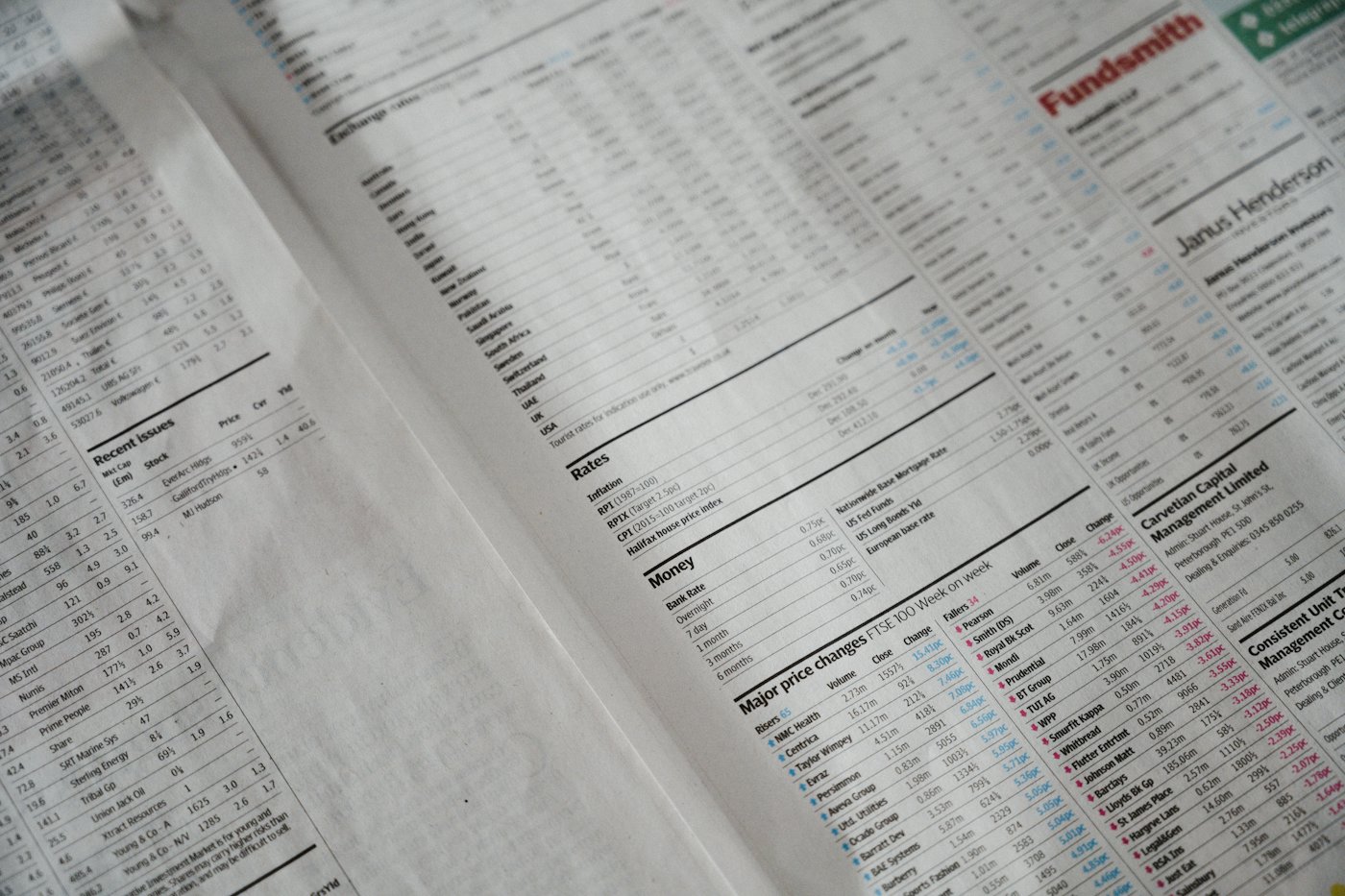
Check every utility invoice against a meter you trust.
Every invoice compared with your own measurement
- Per billing period
Metered consumption is totaled for exactly the period the utility billed, by site and by meter.
- Per utility
Electricity, water and gas are validated the same way, by site and by meter.
- Mismatches flagged
Differences are raised before the invoice is approved, with the meter data attached for the utility query.
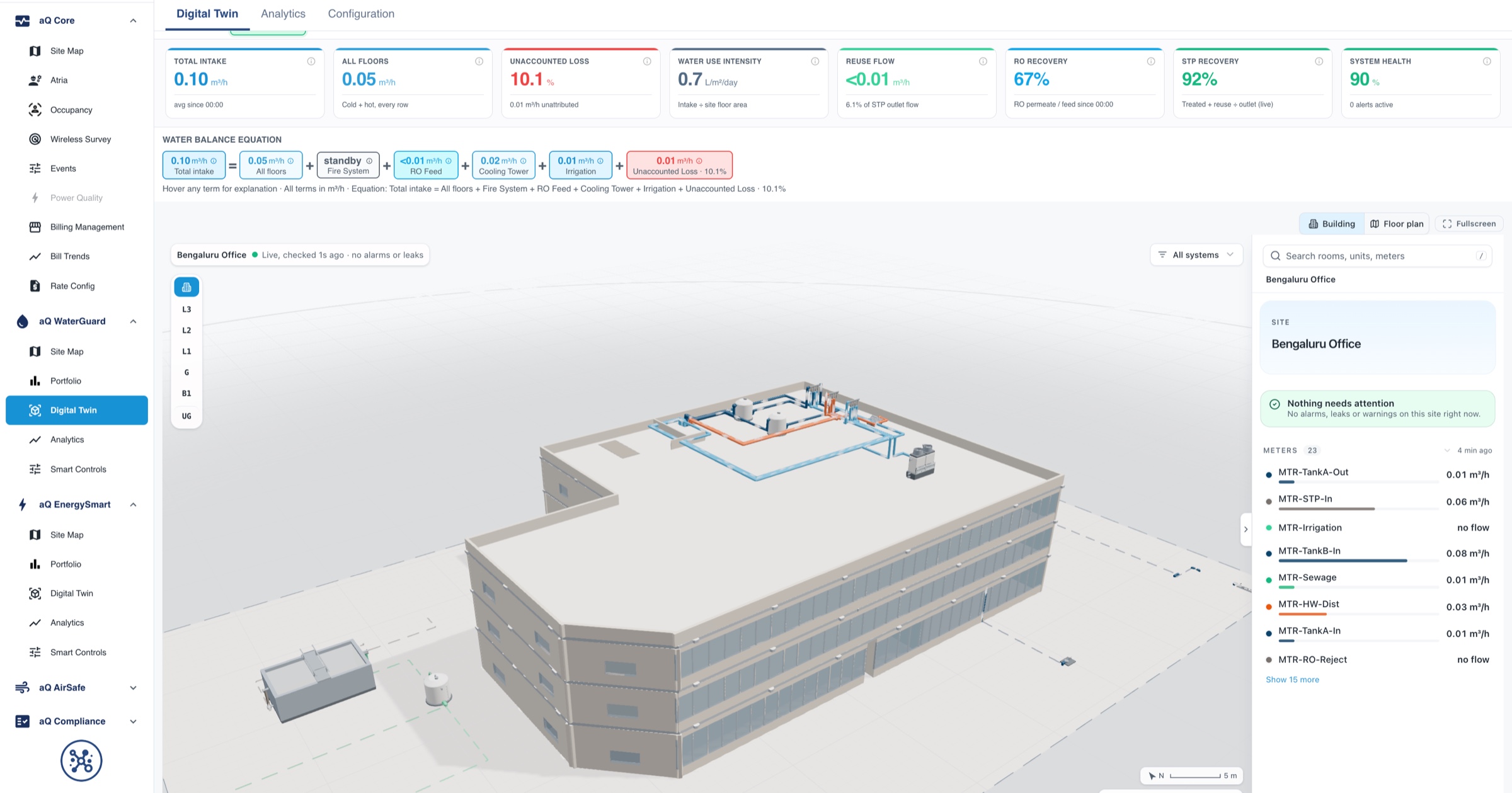
Usage, rate and weather separated for every change
- Usage or rate
Each cost change is split into a usage effect and a rate effect.
- Weather accounted for
The weather-normalized baseline shows how much a hot or cold month explains.
- Down to the meter
Where sub-meters are installed, they show which building, floor or tenant drove the change in cost.

Evidence that still holds up at audit time
- History by site
Bills and metered totals are kept together for every period since deployment.
- Day-one baseline
The same uploaded bills set a day-one weather-normalized baseline and the rate configuration for every site.
- Ready for audit
Every validation traces back to the meter, the period and the invoice.

Utility bills, before and after Aqueduct
- Invoices are paid without an independent reading.
- Estimated meter reads go unchallenged month after month.
- Rate changes hide inside a higher total.
- Errors are found by accident, after payment.
- Billing history lives in scattered PDFs.
 The Aqueduct way
- Every invoice is checked against your own meter.
- Estimated reads are compared with measured use.
- Usage and rate effects are split out.
- Mismatches are flagged before the invoice is approved.
- Bills and meter totals are kept together by site.
Why utility bills go unchecked
Utility invoices are among the few large bills most businesses pay without verification.
Paid on trust
Invoices are approved because nobody has an independent meter reading to compare them with.
Estimated reads
Utilities estimate consumption when meters are not read, and estimates are rarely trued up in your favor.
Rate changes hidden in totals
A higher bill could be more usage or a new rate, and the invoice does not make the difference obvious.
Errors found by accident
Billing mistakes surface only when someone happens to look closely, often long after payment.
How Aqueduct validates utility bills
One billing error, found and queried.
Main meters report continuously, and 6 to 12 months of utility bills are uploaded with their rates and periods.
Metered consumption is totaled for each billing period, by utility, site and meter.
Billed consumption exceeds metered consumption for one period. The cost change is split into usage and rate effects.
The mismatch goes to finance with the meter data attached, so the utility can be queried before payment.
The corrected bill is checked against the meter, and the record stays with the site for audit.
What it needs on site
Existing utility and sub-meters connect if they emit telemetry. New devices are installed through partners.
| Device | What it measures or does | Why it matters |
|---|---|---|
| Main utility meters, owned or read | Consumption per billing period | The independent number to compare with the bill |
| Sub-meters (optional) | Consumption by building, floor or tenant | Explains where a change came from |
| Utility bills, 6 to 12 months | Billed consumption, periods and rates | The record being validated and the rate configuration |
| Tariff details | Energy, demand and reactive charges | Lets each line on the bill be checked |

Outcome
What changes when every bill is checked.
Electricity bills paid without verification.
Billed against metered consumption every cycle.
Errors queried before payment, with evidence.
Water bills based on estimated reads.
Metered water consumption per billing period.
Estimated reads checked against measured use.
Variances explained by guesswork.
Usage and rate effects split by site and meter.
Finance commentary written from data.
Who cares about this
The seats that ask for this first.
Heads of real estate and portfolio leaders
Bills validated across every building in the portfolio.
Learn moreWhere teams put it to work

Bills validated across the portfolio
Every building's electricity, water and gas bills are checked against metered consumption, with mismatches ranked by value across the portfolio.
Learn more
Large bills, checked every cycle
Plants with large utility bills validate them against their own meters before approval, with rate changes separated out.
Learn more
Public money, checked against meters
Public bodies validate utility invoices against metered consumption before payment and keep the evidence on file for audit.
Learn moreThe bill line by line
Each line on a utility invoice can be checked against something measured or contracted.
| Bill line | Checked against | Typical issue found |
|---|---|---|
| Consumption | Metered consumption for the same period | Billed more than measured |
| Read type | Actual meter data | Estimated reads never trued up |
| Billing period | Calendar dates of metered data | Overlapping or missing days |
| Rate | Tariff and rate configuration | Wrong tariff band applied |
| Demand charge | Peak interval from the main meter | Demand figure that does not match the data |
| Reactive charge | Measured power factor | Penalty with no measured basis |
| Sewer or wastewater | Water supply and any separately metered losses | Charged on water that never reached the sewer |
The cost of not checking
rise in combined US household water and sewer bills from 2019 to 2024
Source: Bluefield Research: U.S. water and sewer bill has increased 24% in five yearsa year in uncaptured revenue from water lost in US utility networks, recovered through rates
Source: Water Online: Water losses cost U.S. utilities US$6.4B annually (Bluefield Research)up to this share of a UAE building's electricity demand goes to cooling, so electricity bills carry the largest exposure
Source: Heriot-Watt University: Retrofit options to reduce climate change impacts on UAE buildingsFrom a pile of PDFs to validated cycles
An illustrative timeline for a multi-site business.
Collect and upload
Six to twelve months of bills per site load with rates, periods and billed consumption, setting baselines and rate configuration.
Connect the meters
Main utility meters and any sub-meters connect. Where the utility meter cannot be read directly, a check meter is fitted through partners.
Validate
Billed and metered consumption are compared, mismatches go to accounts payable with evidence, and usage and rate effects are split.
Validate by default
Every invoice is checked before approval, and the history by site stays ready for audit.
Where billing errors start
Most billing errors are not fraud. They come from reads, tariffs and account setup that nobody checks.
Estimated reads
Utility estimates when the meter is not read, often for months
Your own metered consumption
Compares estimate with measured use
Wrong tariff
Account on a band that no longer fits the load
Interval demand and consumption
Checks the rate against the tariff
Multiplier errors
Meter multiplier or CT ratio set wrong on the account
Independent meter on the same supply
Flags a consistent ratio difference
Overlapping periods
The same days billed twice across two invoices
Metered data by calendar day
Aligns billing periods with dates
Closed accounts
Bills continuing for vacated sites or removed meters
Site status in aQ Core
Flags bills with no matching consumption
Demand and reactive charges
Charges with no measured basis
Peak interval and power factor
Checks each charge against the data
sites in 21 countries run on Aqueduct.
and 9 clinics in one of India’s top hospital chains.
US airport running water intelligence on Aqueduct.
of commercial real estate under Aqueduct.
FMCG manufacturing campus.
operations run on Aqueduct.




Related
Common questions
Utility bill validation is checking that the consumption and charges on a utility invoice match what was actually used. Aqueduct compares billed consumption with your own meter data every cycle and flags mismatches before invoices are approved.
Compare billed consumption for the period with an independent meter reading, then check that the rates and charges match your tariff. Aqueduct automates both and keeps the evidence by site and meter.
Yes. Aqueduct separates whether a cost change came from usage or from a rate change, by site and by meter, so finance can explain variances with data.
An independent meter on each utility supply you want to validate, and 6 to 12 months of bills with their rates and periods. Sub-meters help explain where a change came from but are not required to start.
Yes. Aqueduct validates electricity, water and gas bills against metered consumption, with gas in therms or cubic meters.
No. Aqueduct flags mismatches and supplies the meter evidence. Your finance team decides whether to query the utility and handles payment.
A check meter on the same supply can be fitted through partners. Aqueduct compares the utility's billed consumption with that independent measurement.
That is your policy. Aqueduct shows the difference in units and money for each period, and many teams set a threshold for automatic review.
Uploaded historical bills set the baseline and rate configuration. Validation against metered data starts from the period when meters began reporting.
Where sewer is billed on water supply, metered losses such as irrigation or cooling evaporation can support a query. Whether a credit applies depends on your utility's rules.
Estimated reads that are never corrected are among the most frequent. Comparing every bill with your own metered consumption finds them in the first cycle.
Once meters and bills are connected, the comparison runs as soon as the invoice is uploaded. Review time depends on how many mismatches are flagged, and each one arrives with the metered evidence attached.
See Aqueduct on your own facility.
Bring a site, a utility bill or a question. We will show you where the loss is.