AWWA M36 water audits built on a live, measured water balance
AWWA M36 is the American Water Works Association manual for water audits and loss control. It defines a standard water balance of system input, authorized consumption, apparent losses and real losses. Aqueduct supplies continuously measured volumes per district, reads alongside SCADA and AMI, and shows where real losses sit. Your utility completes, validates and files the audit.
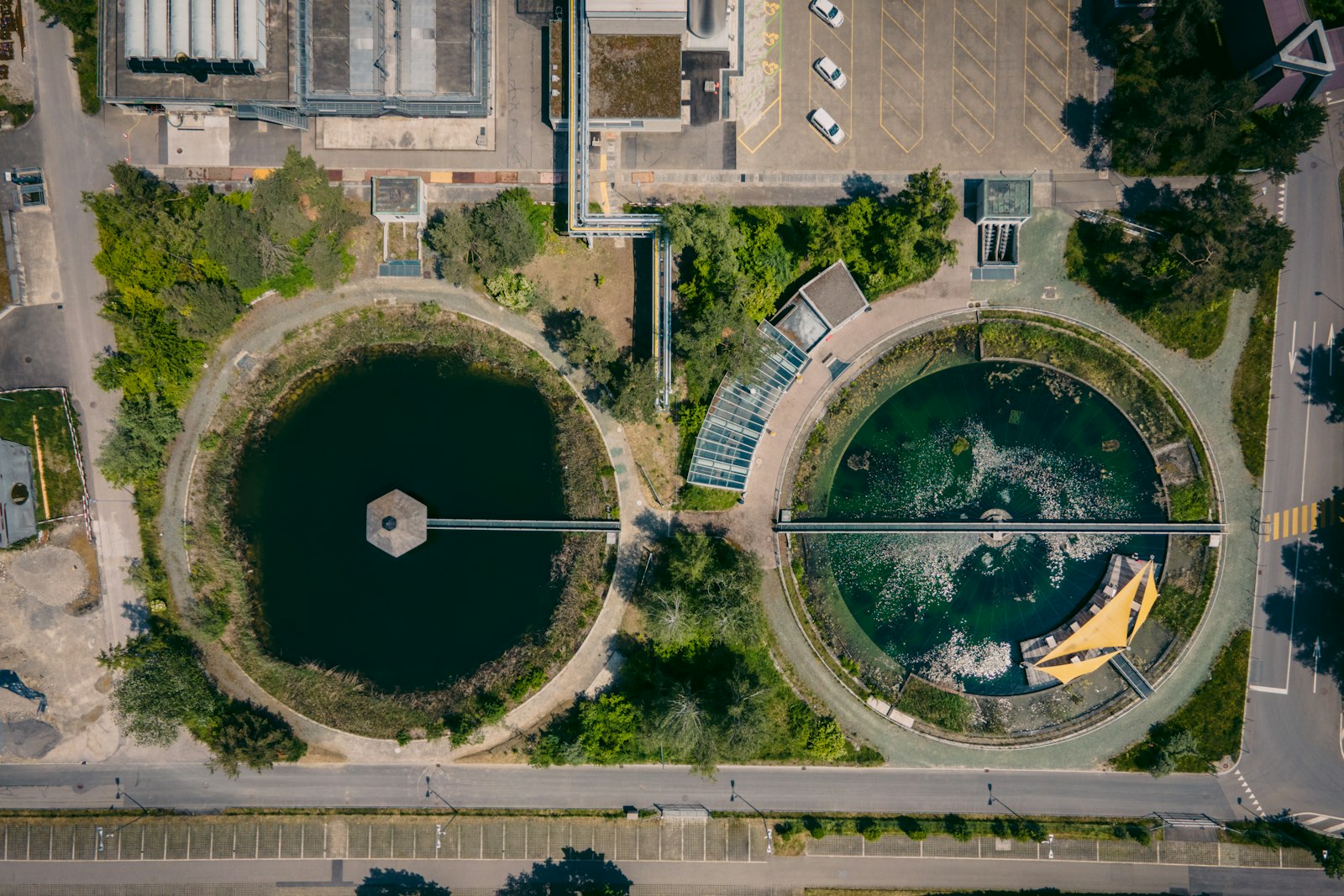
A water audit that closes every day, not once a year from spreadsheets.
Production, imports and exports read continuously
- Alongside SCADA
Production and import volumes are read from SCADA and historians while control stays with SCADA.
- AMI consumption
Customer reads from AMI aggregate by district and period for the authorized consumption line.
- Gaps metered
Unmetered districts and large users can be metered over LoRaWAN, with installation through partners.
Night flow by district shows where water is leaving
- Night flow baseline
Each district has an expected minimum night flow, so rising leakage stands out early.
- Loss localized
The district and line where the balance stops closing are flagged and priced.
- Repairs verified
After repair, the balance confirms the loss fell before the finding closes.

Measured inputs that make validation a check, not a rebuild
- Device health
Connectivity and battery per meter show where data can be trusted and where it cannot.
- Timestamped volumes
Every volume carries its meter, period and source, ready for the audit software.
- Apparent loss clues
Meters reading flat or drifting point to inaccuracy and data handling errors.
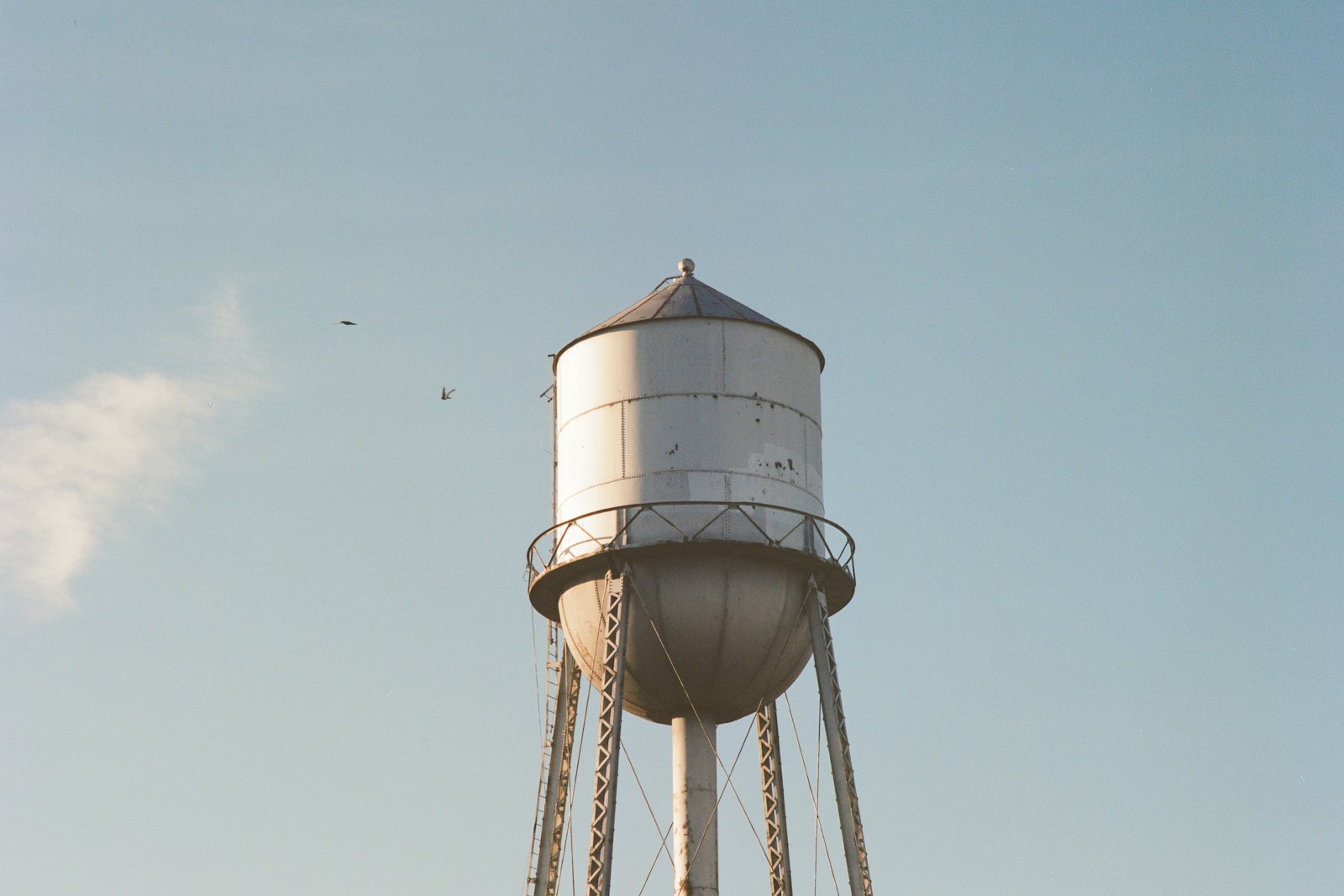
Water audits, before and after Aqueduct
- The audit is rebuilt each year from billing and production spreadsheets.
- Real losses are whatever is left after everything else.
- A rising leak is found when the annual number gets worse.
- Validators question data nobody can trace to a meter.
- Repairs are logged but recovered water is never measured.
 The Aqueduct way
- The water balance closes every day from measured volumes.
- Real losses are measured by district from night flow.
- A rising leak is flagged in the district where it starts.
- Every volume traces to its meter, period and source.
- Recovered water is verified in the balance after repair.
What AWWA M36 is and who it applies to
AWWA Manual M36, Water Audits and Loss Control Programs, sets out the method North American water utilities use to account for every volume of water they produce or buy. It is built on the IWA and AWWA water balance: system input volume equals authorized consumption plus water losses, and water losses split into apparent losses, such as customer meter inaccuracy and unauthorized use, and real losses, the physical leakage from mains, service connections and storage.
Utilities typically complete the audit with AWWA's Free Water Audit Software, which also grades data validity and reports indicators such as non-revenue water and the Infrastructure Leakage Index. Several states require it: California requires urban retail water suppliers to submit validated water loss audits each year, and Georgia requires annual audits from utilities above a population threshold.
The method also works inside a large private water system, such as an airport, campus or industrial site, where the owner wants to know how much of the water bought actually reaches a use.
M36 water balance components and the evidence Aqueduct supplies
Measured inputs for each line of the balance. Your utility completes and files the audit.
| Requirement area | Evidence Aqueduct supplies |
|---|---|
| System input volume | Production and import meters read continuously, alongside SCADA and historian data |
| Billed metered consumption | Customer meter reads from AMI, aggregated by district and period |
| Unbilled authorized consumption | Metered flushing, firefighting and municipal uses where meters exist |
| Apparent losses | Meter health and connectivity per device, and consumption patterns that point to meter or data errors |
| Real losses | Night flow baselines per district metered area, with districts where loss rises flagged and localized |
| Data validity | Continuous, timestamped volumes with device health, so validation checks measured data |
| Loss control actions | Leak findings routed to your work management system, with the result verified in the balance |
How Aqueduct supplies water audit evidence
From a once-a-year reconstruction to a balance that closes every day.
Read what you already have
Aqueduct reads SCADA, AMI and historian data alongside your systems. Control stays with SCADA.
Meter the gaps
Where districts or large users lack meters, LoRaWAN, Modbus, M-Bus or pulse devices are added through partners.
Baseline night flow
Each district metered area gets a night flow baseline, so rising real losses are flagged early.
Localize and route
Loss is narrowed to the district and line, priced, and routed into your work management system.
Verify the recovery
After repair, the balance confirms the loss fell, and the verified volume flows into next year's audit.
What stays with your utility
Aqueduct measures. Your team audits and files.
Completing the audit
Your staff or consultant completes the audit in the software your regulator expects.
Validation and filing
Validation and submission to the state regulator stay with the utility.
Network control
Pumps, valves and pressure stay under SCADA. Aqueduct reads alongside and never takes control of the network.
Related terms and rules
Often used with M36 audits.
Where teams put it to work
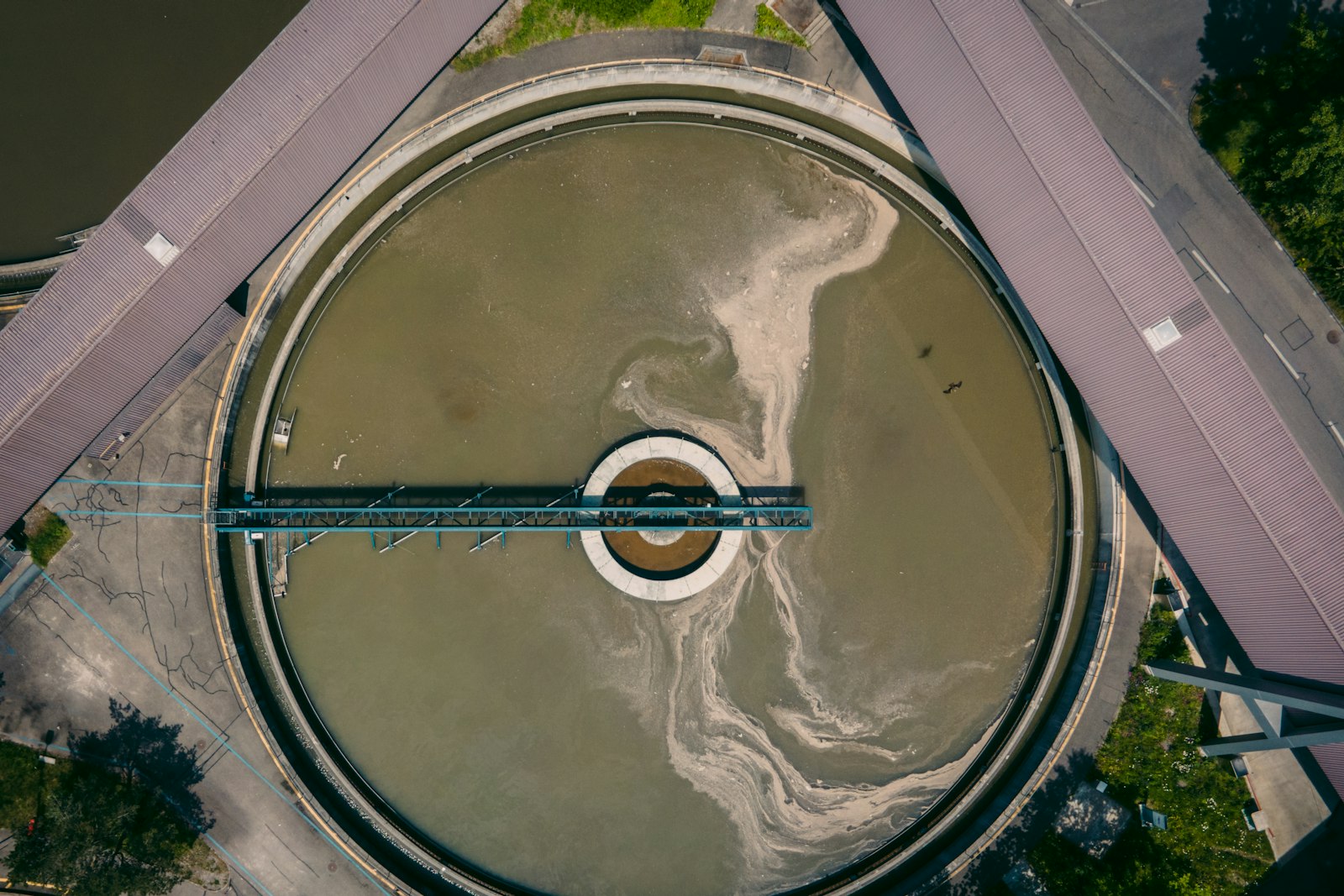
District losses found from night flow
Utilities read SCADA and AMI through Aqueduct, baseline night flow per district and route leak findings for repair, with control left with SCADA.
Learn more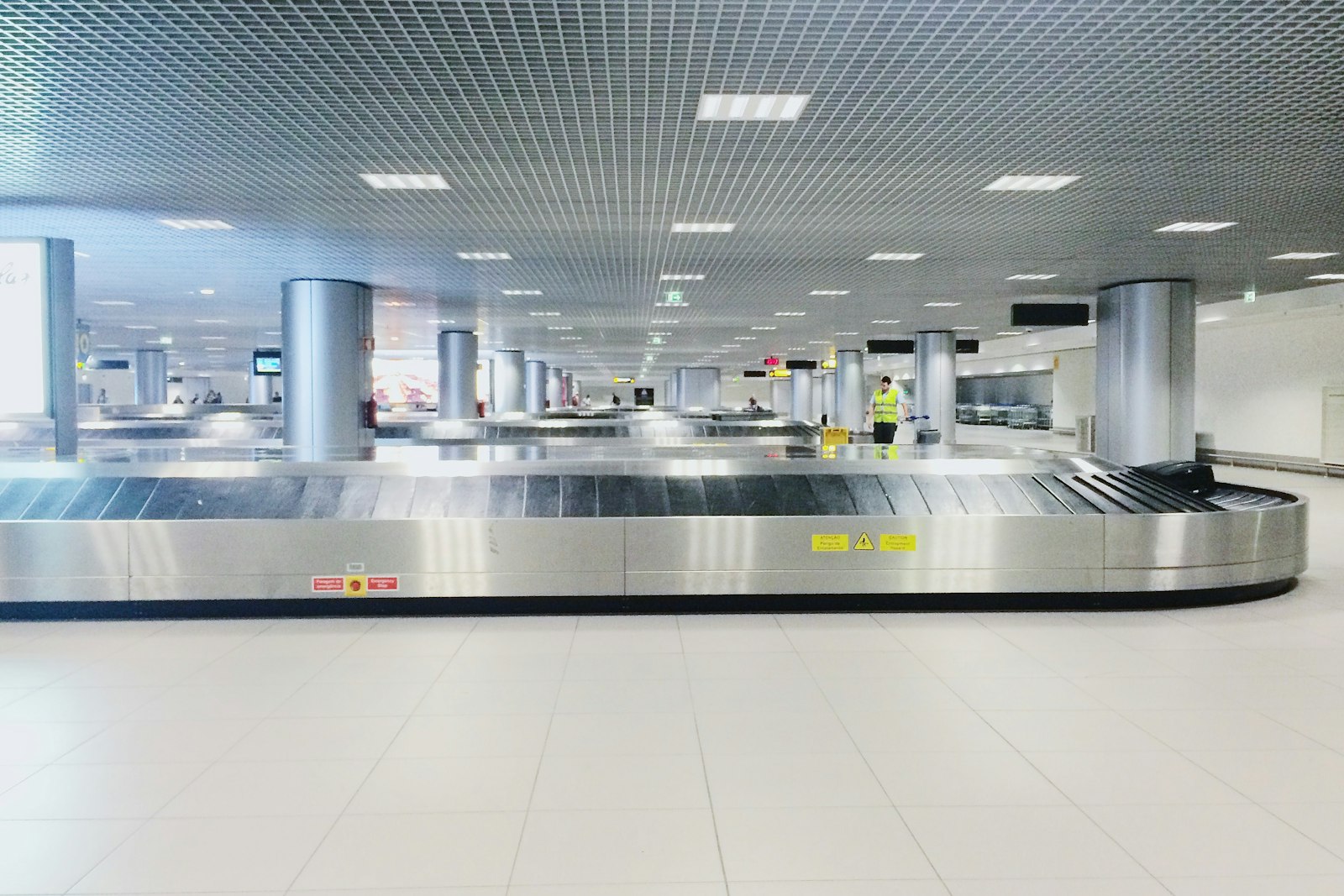
A private network with utility scale
Airports run water networks the size of a small town. The same balance logic finds where purchased water fails to reach a use.
Learn more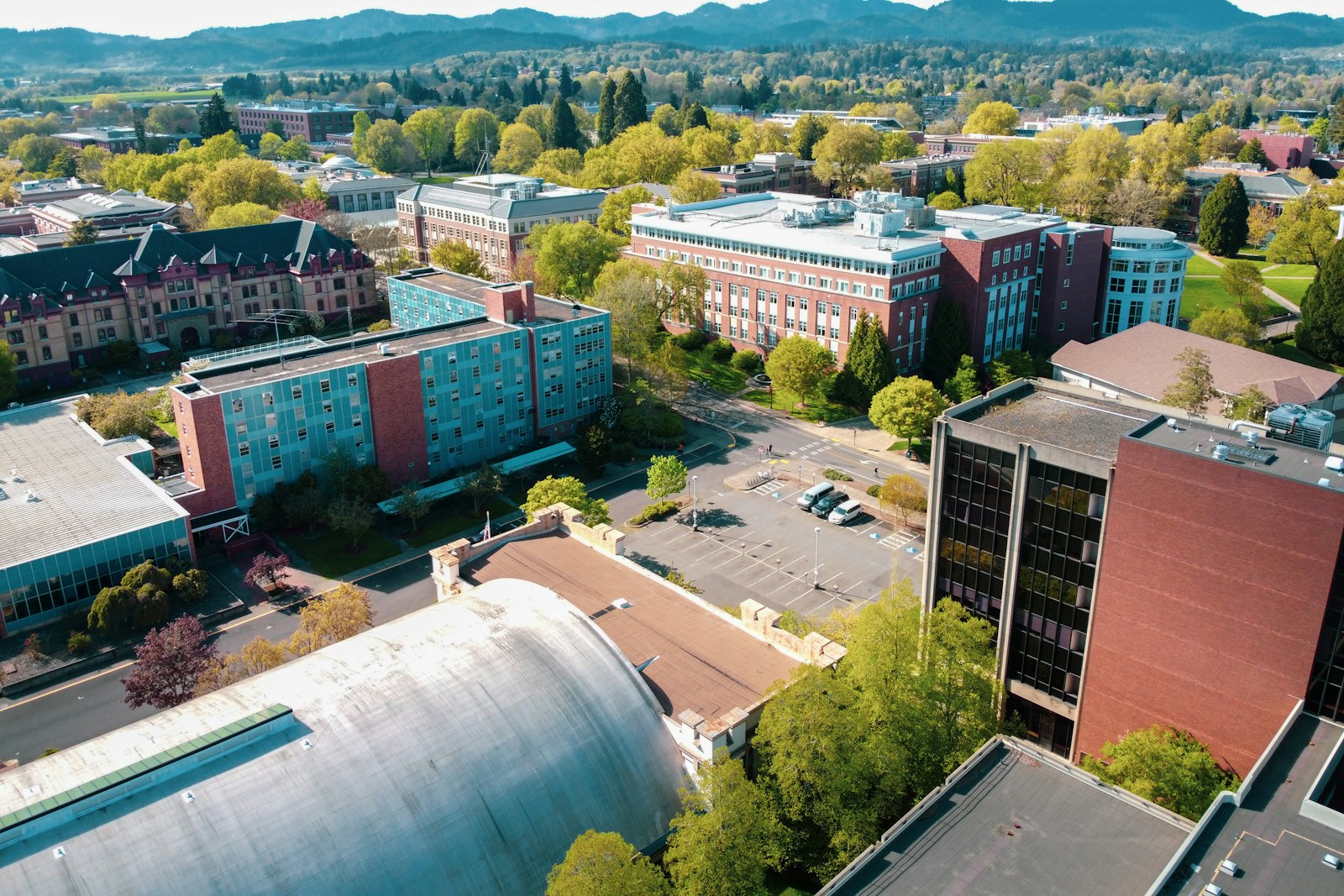
Campus mains and buildings balanced
Universities meter campus mains and every building connection, so water lost between the two shows up in the balance and gets fixed.
Learn moreThe water balance components an M36 audit has to quantify
The AWWA M36 method builds a top-down water balance, then validates it. Every component is either measured, estimated or calculated, and the audit's data validity score reflects which.
System input volume
Water entering the system from own sources and imports, corrected for meter error. Everything else in the balance depends on it.
- Production and import meters
- Master meter accuracy testing
- Exports subtracted
- Data needed
- volume into the system
- Source
- production, import and export meters
- Aqueduct
- system input with meter health
Authorized consumption
Billed metered, billed unmetered, unbilled metered and unbilled unmetered consumption. Unmetered components are usually estimated.
- Customer billing data
- Metered municipal and utility uses
- Estimates for flushing and firefighting
- Data needed
- consumption by category
- Source
- billing system, meters
- Aqueduct
- metered components consolidated
Apparent losses
Customer meter inaccuracy, systematic data handling errors and unauthorized consumption. Water reaches users but is not counted correctly.
- Customer meter testing results
- Billing data errors
- Theft and unauthorized use
- Data needed
- meter accuracy and data checks
- Source
- meter tests, billing reviews
- Aqueduct
- anomalies in consumption patterns
Real losses
Physical leakage from mains, service connections and storage overflows. Calculated in the top-down audit, then checked with component analysis and minimum night flow.
- District metered area flows
- Minimum night flow
- Pressure by zone
- Data needed
- flows and pressures by zone
- Source
- DMA meters, pressure sensors
- Aqueduct
- night flow and burst detection
Performance indicators
Indicators such as the Infrastructure Leakage Index compare current real losses with unavoidable losses for the system. Better data gives a more reliable indicator.
- Current annual real losses
- Unavoidable annual real losses inputs
- Data validity grading
- Data needed
- validated balance
- Source
- the full audit
- Aqueduct
- measured inputs that raise data validity
M36 components mapped to meters and sensors
Aqueduct reads utility SCADA and adds sensors where the balance relies on estimates.
| Balance component | What to measure | Meters and sensors | Aqueduct output |
|---|---|---|---|
| System input volume | Production and imports | Production and bulk meters, SCADA | Daily and monthly input |
| Water exported | Bulk sales | Export meters | Exports subtracted |
| Billed metered consumption | Customer use | Customer meters, AMI | Consumption totals |
| Unbilled metered consumption | Utility and municipal use | Facility meters | Metered unbilled totals |
| Real losses by zone | Inflow and night flow per DMA | DMA meters, pressure sensors | Minimum night flow and leak flags |
| Storage overflows | Tank levels | Level sensors | Overflow events |
| Pressure management | Zone pressure | Pressure sensors | Pressure trends and transients |
Raising the data validity of a water audit
For utilities, and for large campuses and airports running their own distribution networks.
Build the current balance
Load production, import, export and billing data for the audit year and see which components are measured and which are estimated.
Connect SCADA and bulk meters
Read production and bulk meters and check their health so system input volume is reliable.
Meter zones
Add DMA meters, pressure and level sensors where real losses are large or uncertain.
Validate and report
Use measured night flows and component data to validate the balance, then complete the audit with your team.
Where water audits lose accuracy
Master meters never tested
A small error on production meters moves every downstream number. Meter health and testing records come first.
Night flow nobody reads
Minimum night flow is the clearest sign of leakage, but only if zones are metered and someone looks every night.
Estimates carried year to year
Unmetered uses estimated once and copied forward. Metering the largest ones replaces guesses with data.
Sources1 references cited on this page
sites in 21 countries run on Aqueduct.
and 9 clinics in one of India’s top hospital chains.
US airport running water intelligence on Aqueduct.
of commercial real estate under Aqueduct.
FMCG manufacturing campus.
operations run on Aqueduct.


Related
Common questions
An AWWA M36 water audit is the standard method North American utilities use to account for water from source to customer. It splits system input into authorized consumption, apparent losses and real losses. Aqueduct supplies measured volumes for each line of that balance.
Real losses are physical water leaving the system through leaks, breaks and overflows. Apparent losses are water that reaches a customer but is not measured or billed correctly. Aqueduct flags real losses from night flow by district and points to apparent losses through meter health and consumption patterns.
California requires urban retail water suppliers to submit validated water loss audits every year, and Georgia requires annual audits from utilities above a population threshold. Other states have their own rules, so check with your regulator. Aqueduct keeps the audit inputs measured all year.
No. Aqueduct works alongside your SCADA, AMI and historians, reading their data. Control stays with SCADA.
No. Your utility or consultant completes, validates and files the audit. Aqueduct supplies continuously measured volumes, loss findings and verified recoveries.
Aqueduct baselines night flow in each district metered area, when legitimate use is lowest. When flow rises above that baseline, the district is flagged, the loss is priced, and the work is routed for repair.
Yes. Large private water systems can use the same water balance logic. Aqueduct closes a live water balance across a site and verifies each saving at the meter against a weather-normalized baseline.
Data validity grades how reliable each input is, from estimated to well measured. Higher validity makes the audit's loss figures more trustworthy.
The ILI compares current annual real losses with the unavoidable real losses for the system. It is one of the performance indicators used in M36 audits.
It is the lowest flow into a zone, usually overnight when legitimate use is lowest. A rising night flow is a strong sign of new leakage.
Many utilities audit annually, and some rules set the cycle. Continuous metering lets the balance be checked monthly, so the annual audit confirms what you already know.
See Aqueduct on your own facility.
Bring a site, a utility bill or a question. We will show you where the loss is.