Energy management and classroom air for school districts.
School district energy management means baselining every campus for weather and the school calendar, then cutting the load that runs when classrooms are empty. Aqueduct does that and monitors classroom CO2 against occupancy, so air is held to target while students are in the room and energy is saved when they are not.
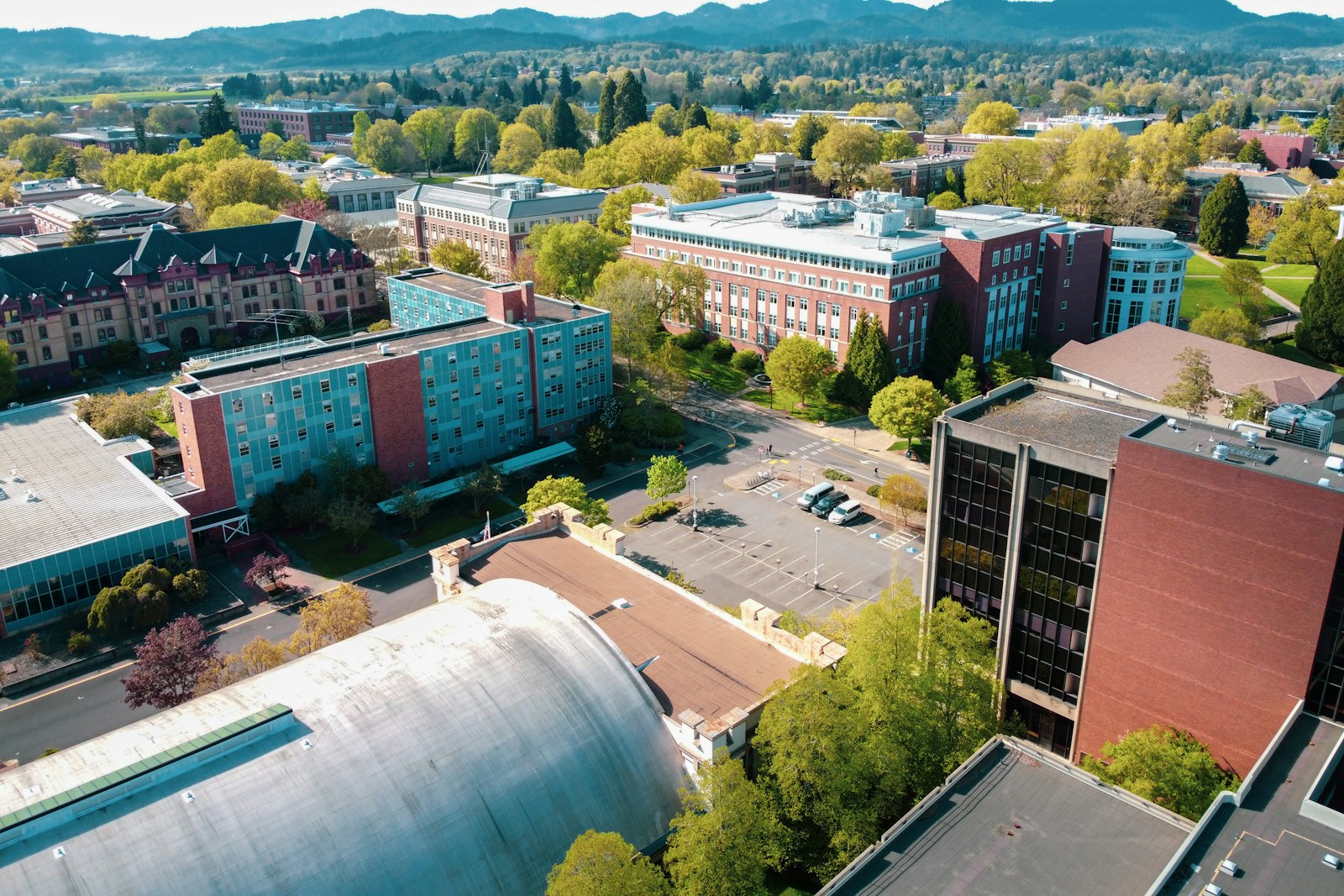
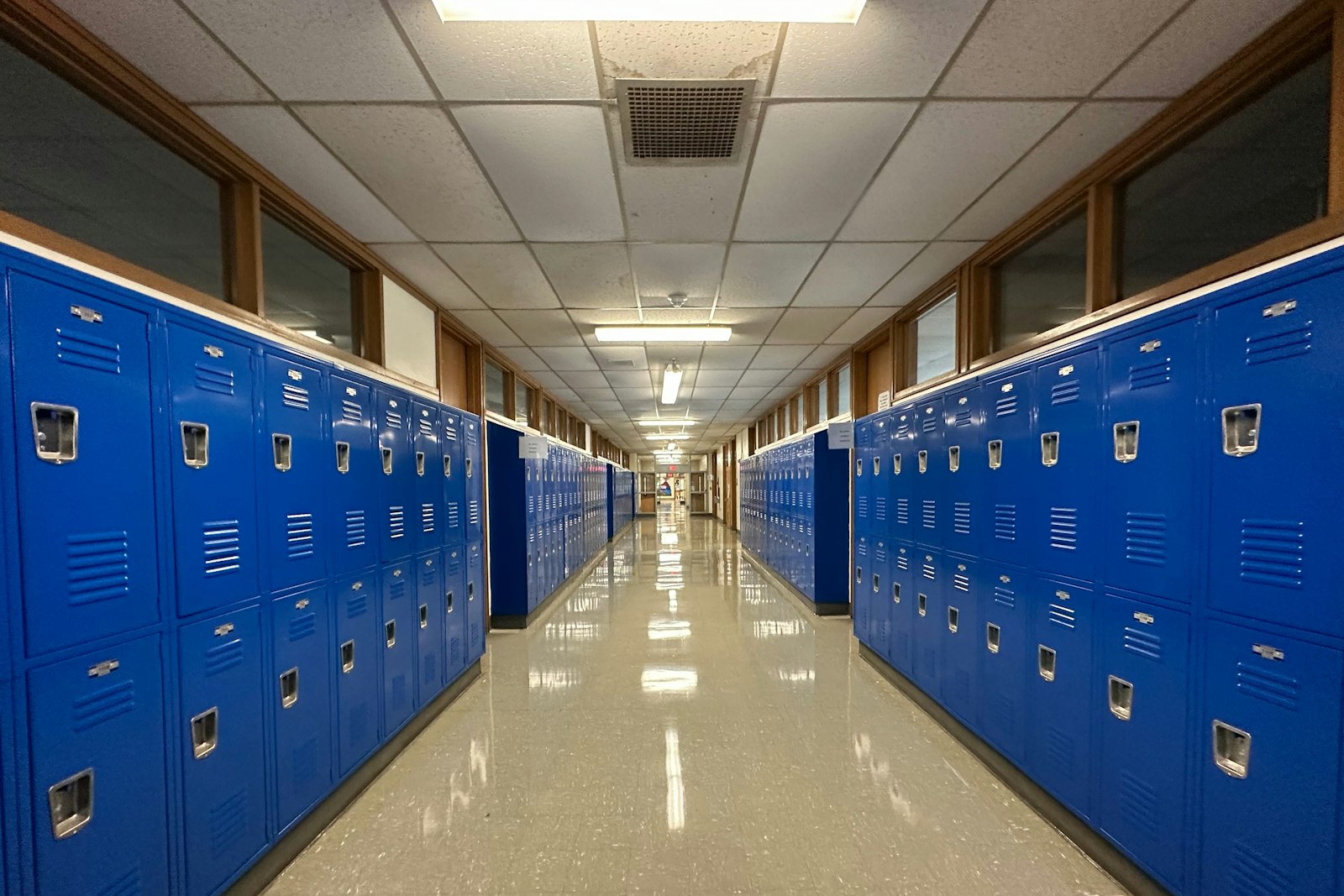
Hold classroom air to target while students are in, and save when they leave.
Every classroom measured against occupancy, every period
- Air by classroom
CO2 and particulates are read per room and set against occupancy and the bell schedule.
- Exposure in zone hours
A room stuck above target for a whole period is flagged, because duration matters as much as level.
- Ventilation that responds
Where control is enabled, with owner approval, ventilation is adjusted and the room is verified back in range.

Campuses baselined against weather and the school calendar
- Breaks have targets
Evenings, weekends, holidays and summer break each have a baseline, so HVAC running for nobody stands out.
- Bills on day one
Upload 6 to 12 months of bills per campus and baselines are ready from the start.
- Savings for the board
Every saving is verified at the meter and stated in money for the school board.

Keep, replace or build in, one campus at a time
- Any existing system
Existing BMS and controls are connected where they work, or replaced where a campus chooses that route.
- Faults routed
Faults are diagnosed and routed into the district's CMMS, so a small team fixes rather than hunts.
- Answers for parents
Room air records are ready when parents or the board ask how classrooms are doing.

Running a school district, before and after Aqueduct
- Stuffy classrooms are found when teachers complain.
- HVAC runs through weekends and summer break for nobody.
- Classroom air records do not exist when parents ask.
- Each campus runs a different system and reports differently.
- Board savings reports are built from estimates.
 The Aqueduct way
- Classroom CO2 is tracked against occupancy, period by period.
- Empty campuses are found against the calendar and corrected.
- Room air records are ready for parents and the board.
- Every campus reports the same way on one platform.
- Board savings reports are verified at the meter.
What school facilities teams are up against.
Many campuses, a calendar full of breaks, and air quality that parents and boards ask about.
Buildings that run when schools are empty
Evenings, weekends, holidays and summer break. Schedules drift and HVAC runs for nobody.
Classroom air that nobody records
A full classroom raises CO2 quickly. Without continuous measurement, stuffy rooms are found by complaint.
Ventilation versus energy
More outdoor air costs energy. Too little hurts the room. Teams need to know when each matters.
Aging controls across the district
Different campuses, different BMS vendors, different eras. Nobody sees them as one portfolio.
Problem, solution, impact.
Air and energy managed together, with water and operations on the same platform.
Classroom CO2 rises unseen during the school day.
CO2, temperature and humidity per classroom zone, overlaid with occupancy and tracked as exposure in zone-hours. Powered by aQ AirSafe.
Rooms held to target while occupied, with a continuous record for the board.
HVAC and lighting run through breaks and weekends.
Weather-normalized baseline per campus with occupancy schedules from the school calendar. Powered by aQ EnergySmart.
Unoccupied load found, cut and verified at the meter.
Leaks in restrooms, kitchens and irrigation run for days.
Line-level water use against its baseline, with unaccounted flow flagged. Powered by aQ WaterGuard.
Leaks found in days, fixes confirmed at the meter.
Faults are found when a classroom is too hot.
Faults diagnosed in plain language and routed to your work order system with a recommended fix.
Verified closures, campus by campus.
One classroom, start to finish.
A crowded room, followed through the five steps.
CO2 and temperature sensors in each classroom zone report alongside the rooftop unit serving the wing.
A baseline for the wing's energy use and an occupancy schedule from the school calendar.
CO2 in Room 214 rising through second period while the room is full. The outdoor air damper is at minimum.
Ventilation raised through demand controlled ventilation, where control is enabled and approved. A ticket checks the economizer.
CO2 back in range while the room is occupied. Ventilation drops again after the last bell, and the energy record shows it.
Classroom CO2 monitoring that leads to action.
Measuring CO2 is the start. Acting on it, and balancing it against energy, is the point.
Air with occupancy
A CO2 reading in an empty room does not matter. One in a full room does. Aqueduct reads both together.
Exposure, not just peaks
For air quality, duration matters as much as level. Exposure is tracked in zone-hours.
Plain-language findings
Each finding names the cause and a costed action, such as raising outdoor air while the weather is mild.
Demand controlled ventilation
Ventilation follows the people in the room, where control is enabled and the district approves.
Calendar-aware schedules
Breaks, holidays and summer programs set as occupancy schedules, so equipment runs when campuses are used.
One district view
Every campus ranked by air and energy against its own baseline.
Students deserve good air in every classroom, and boards deserve verified savings.
Talk to our teamKeep, replace or build in, campus by campus.
Three equal ways in. A district can use all three.
| Campus situation | Way in | What Aqueduct does |
|---|---|---|
| Working BMS on campus | Keep your BMS | Reads its points, adds classroom sensors, baselines the campus and routes fixes. |
| Controls aged out or unsupported | Replace your BMS | Takes over schedules and sequences through Modbus or BACnet field devices, or LoRaWAN relays for simple loads like exhaust fans. |
| New school or major renovation | Build it in | Specified at design stage with your architects and MEP engineers. |
The questions each district seat asks.
“Can one small team cover every campus?”
One portfolio view ranks every campus against its own baseline, so the team starts where loss or complaints are highest.
“Can I prove the savings from schedule changes?”
Each change is measured against a weather-normalized baseline and confirmed at the meter.
“Is the air in my classrooms healthy while students are there?”
CO2 is measured per classroom against occupancy, with a continuous record and a plain-language explanation.
“Can we see results we can stand behind?”
Verified results per campus, with the measured record kept for every change.
Standards and programs districts ask about.
Each links to its glossary entry.
Where teams put it to work
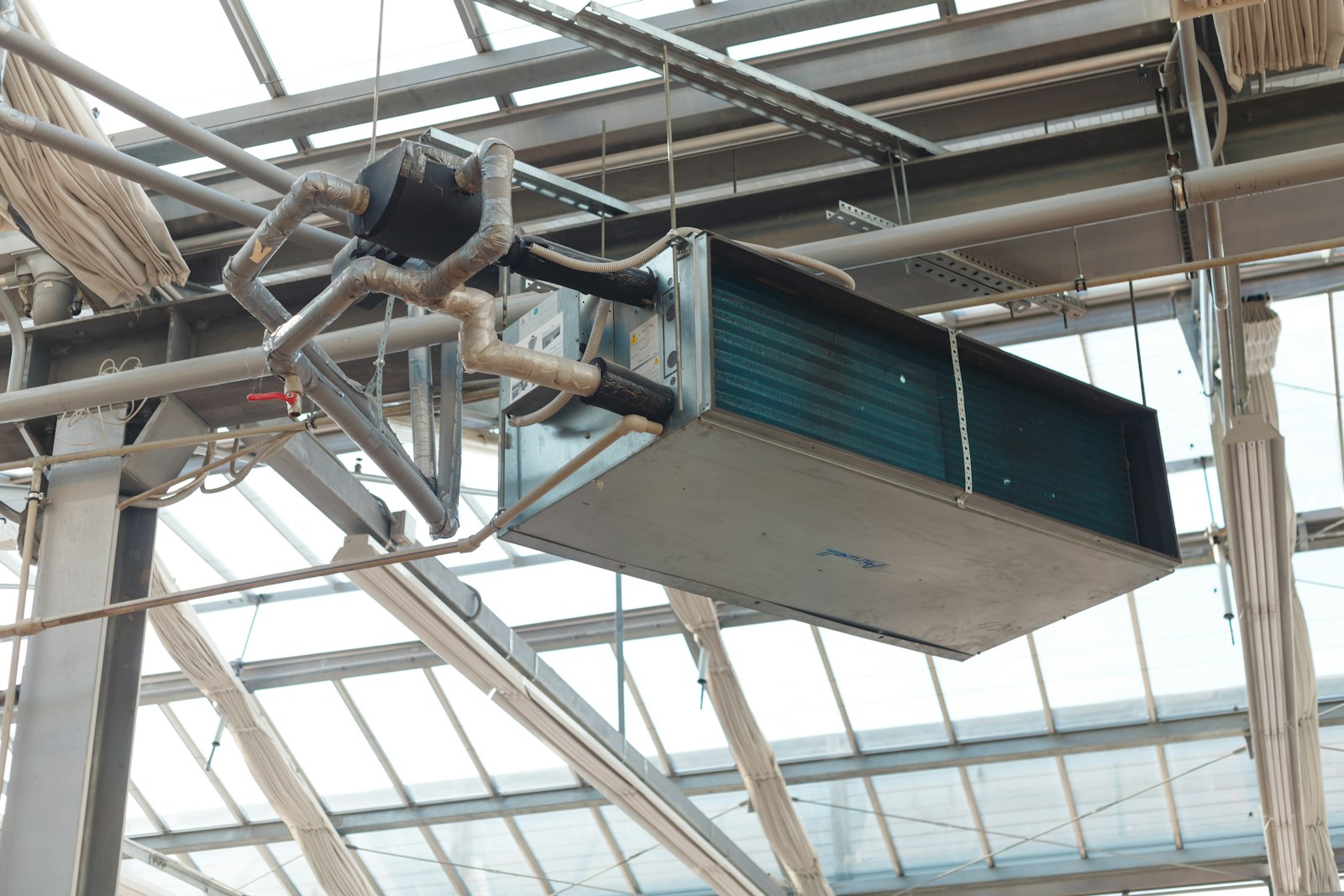
Air and energy on one platform
Classroom air and campus energy on one platform, with faults routed into your CMMS and closures confirmed by the equipment.
Learn more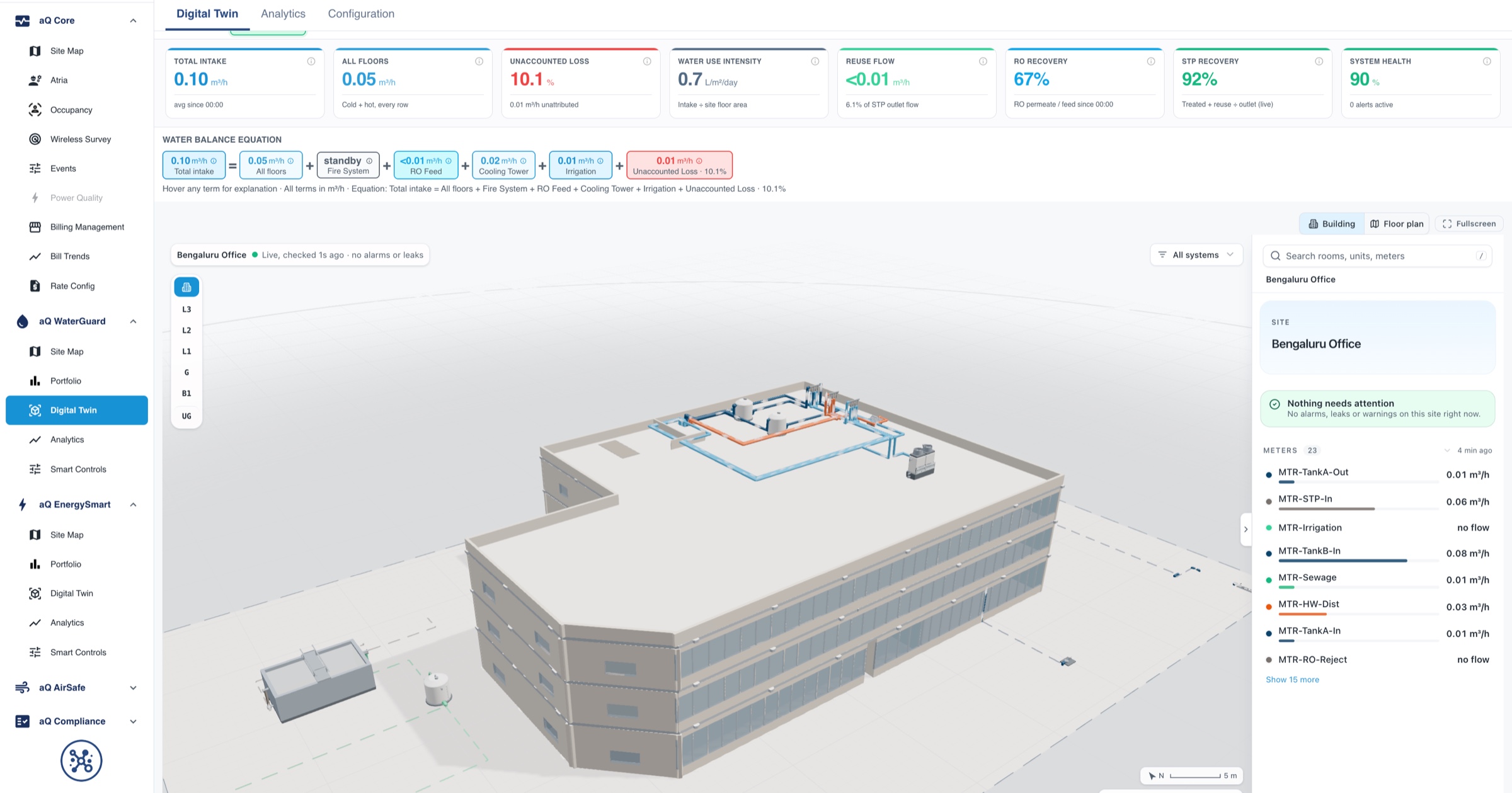
Savings the board can trust
Campus baselines adjust for weather and the school calendar, so every reported saving is measured and stated in money.
Learn more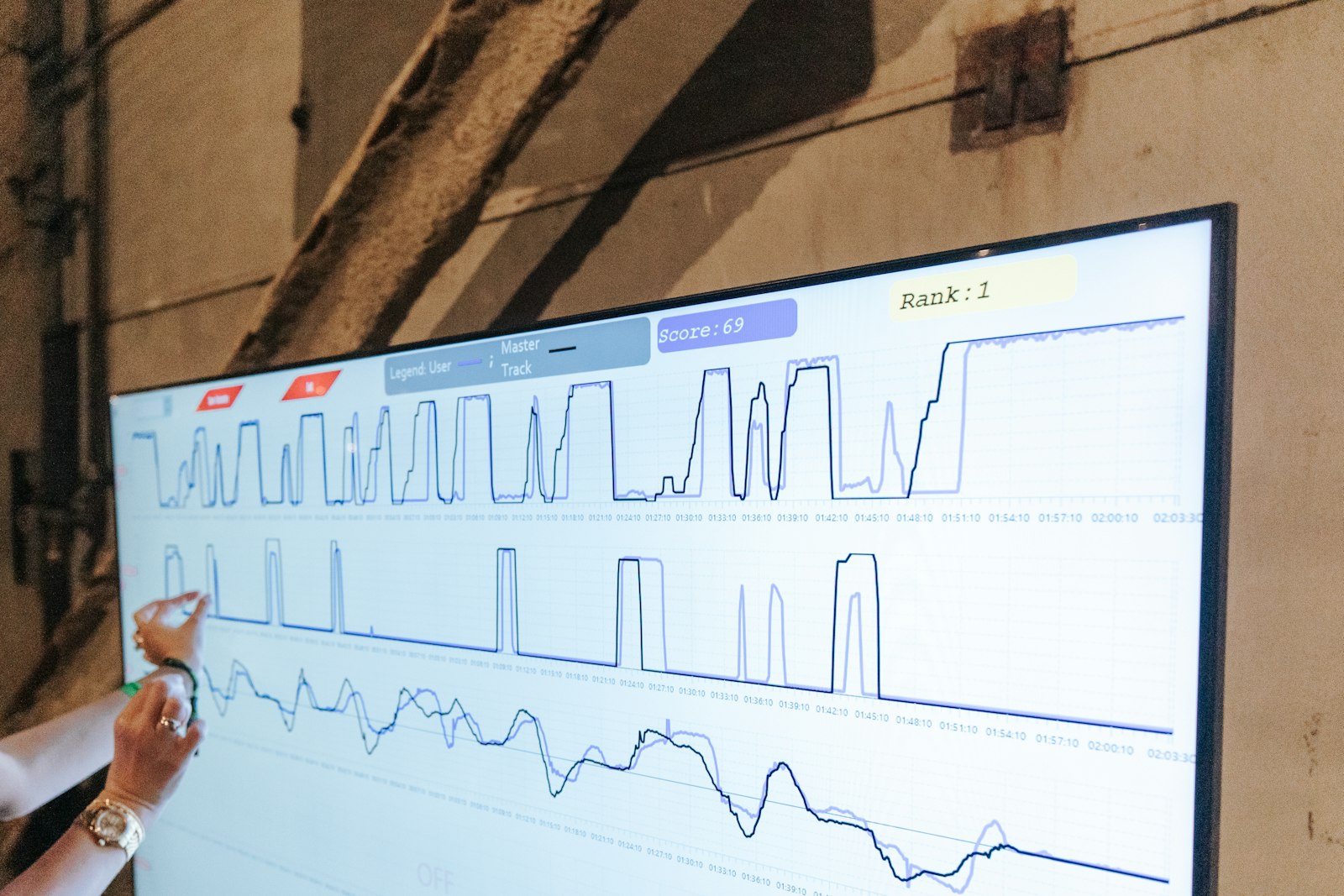
Classroom air, explained plainly
A plain-language rating for each room, the standard behind it and the recommended action, so principals can answer parents.
Learn moreRelated
Common questions
It is baselining each campus for weather and the school calendar, finding load that runs when buildings are empty, acting on it and verifying the saving. Aqueduct does this across every campus in one view.
CO2 rises as a classroom fills, so it is a practical signal of whether ventilation is keeping up with the people in the room. Aqueduct reads it with occupancy and tracks exposure over time.
Aqueduct balances the two. It raises ventilation when rooms are full and lowers it when they are empty, and shows the energy effect against the baseline.
It can, where controls have aged out, or it can work across the BMS you have. Both are equal ways in.
Only where control is enabled and with the district's approval. Every command is recorded in an auditable command history.
See Aqueduct on your own facility.
Bring a site, a utility bill or a question. We will show you where the loss is.