
Water stewardship across Amazon's sites, measured in real time
Aqueduct gives Amazon's Global Real Estate and Facilities organization one real time water intelligence layer across 275+ sites. Built on aQ Core and aQ WaterGuard, it baselines each site by type and season and detects leaks the same day, instead of discovering them when the bill arrives. It supports Amazon's water stewardship goals with metered evidence.
Amazon's Global Real Estate and Facilities organization, GREF, runs a large and varied estate of corporate and operational sites, and water stewardship sits inside Amazon's Water Positive program. At that scale, a monthly bill per site cannot say where water goes, what normal looks like for each kind of site, or when something breaks pattern. Leaks surfaced when the bill arrived, weeks after they started, and seasonal swings made a real change in use hard to tell apart from ordinary variation.
Aqueduct gives GREF one real time water intelligence layer across 275+ sites. Field teams survey each site, select metering and connectivity, and install and validate devices as a service. Every meter lands in aQ Core, the system of record that organizes sites, assets and devices and scores device health and data quality on every point, so a gap in the data is visible instead of silent.
On top of that layer, aQ WaterGuard learns normal use by site type and season. Each site is judged against sites like it, at the same time of year, rather than against one estate wide average. When flow breaks pattern, the anomaly is flagged as it happens and routed to the site team, so a leak is found the same day instead of on the next bill. Facility leaders see every site on one portfolio map, ranked and comparable, and can drill into any single site to see what changed and when.
For sustainability teams, the value is evidence. Stewardship reporting needs metered, defensible numbers, and aQ Assurance keeps the measured record behind them. The question moves from what the bill says to what the meters show, site by site and season by season.
The program has run as a live enterprise relationship for 3 years, and the rollout keeps moving: the India team completed 11 GREF installs in two months. Each new site follows the same survey, install and validation template, which is how the program reached 275+ sites. The same aQ Core layer can carry energy and air at those sites when the program calls for it, and Smart Controls can act on pumps and valves where control is enabled, with owner approval.
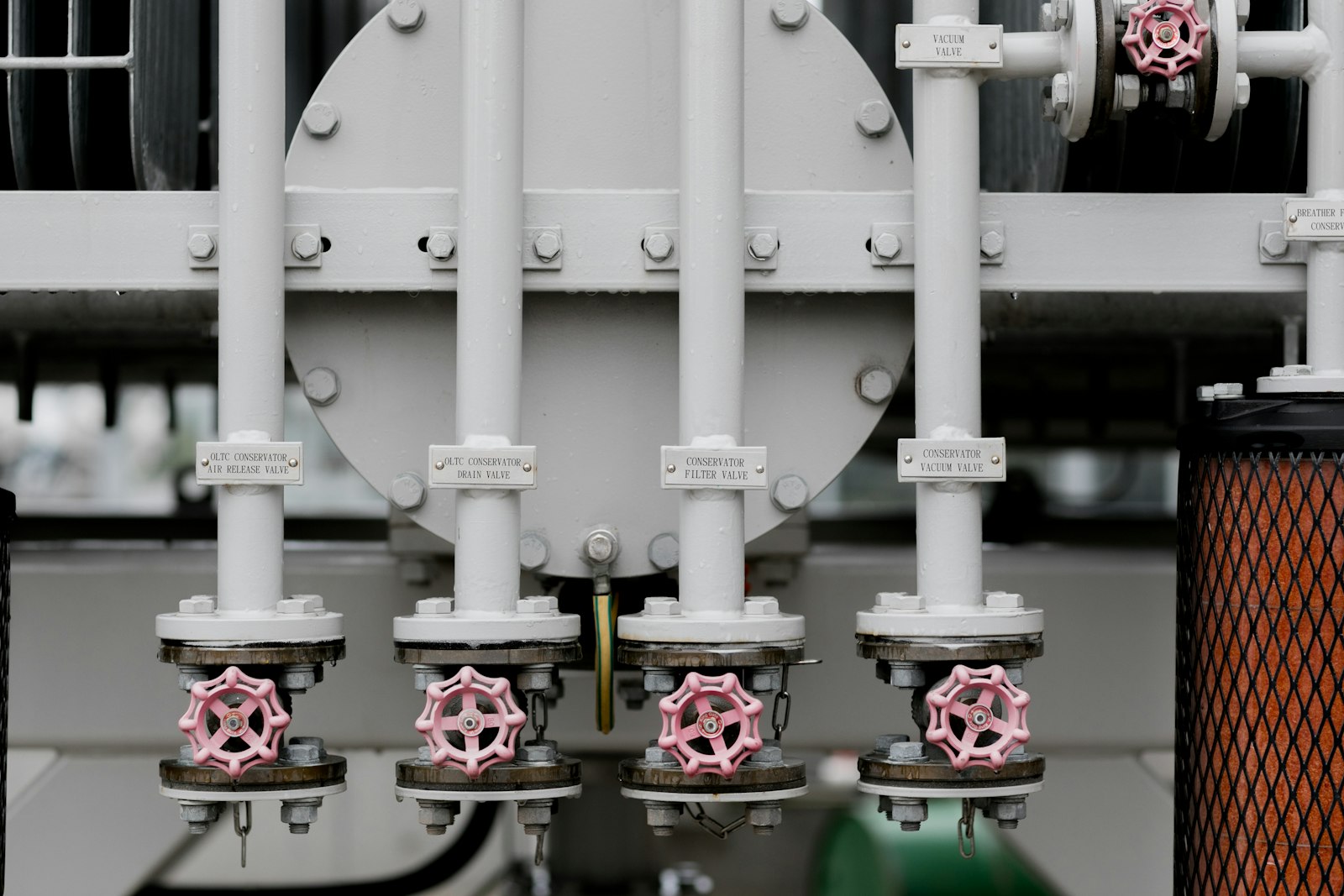
275+ sites, one layer
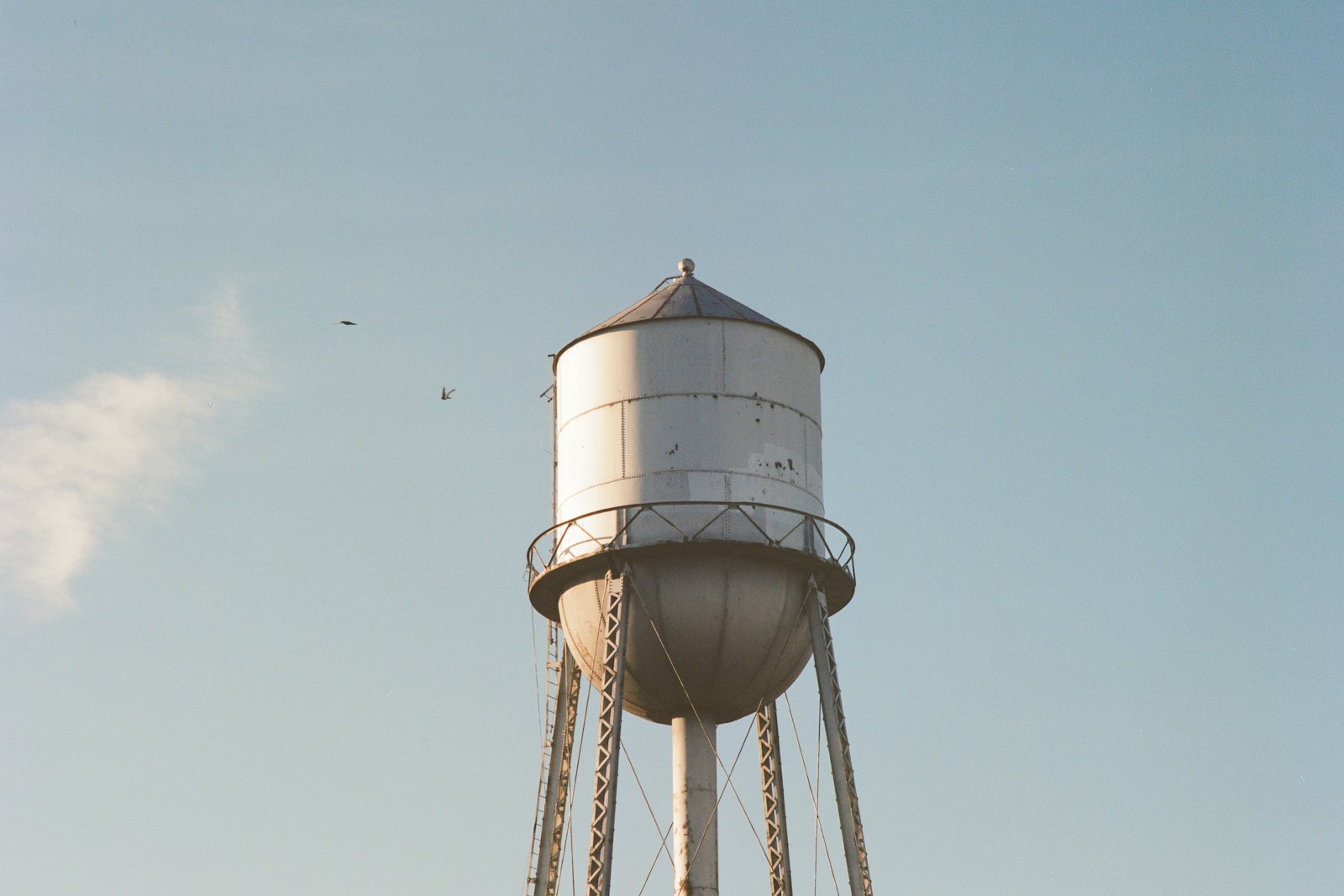
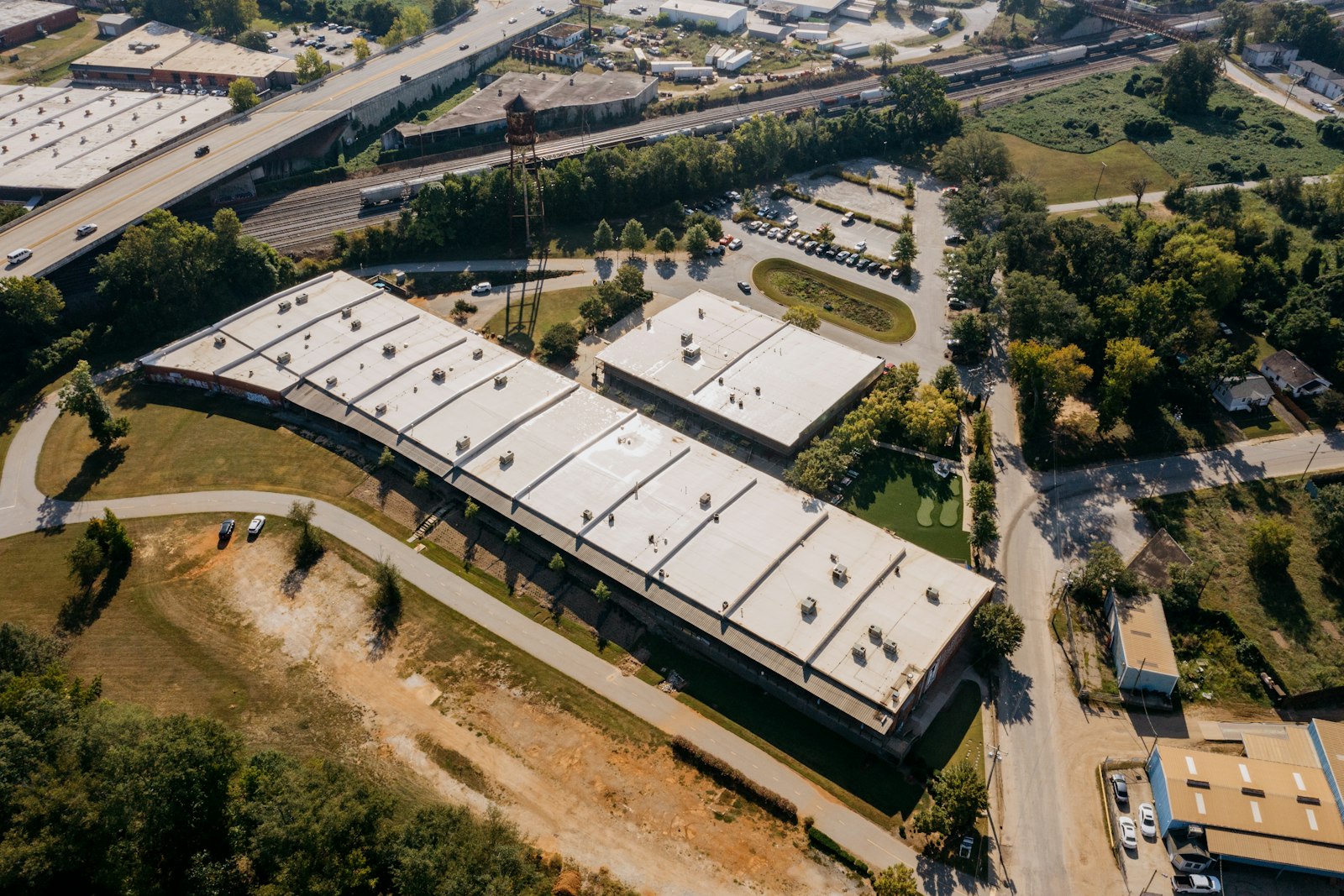
Every GREF site sits on one portfolio map, organized in aQ Core by site, asset and device.
Baseline by type and season
aQ WaterGuard learns normal use for each kind of site across the year, so weather and season do not hide real change.
Flow breaks the pattern
Use that departs from the site's baseline is flagged as it happens, not when the next bill arrives.
Site team acts same day
The alert is routed to the team that owns the site, so the leak is found and fixed the same day.
Back on baseline
Live data shows whether flow has returned to the site's normal pattern after the repair.
Metered stewardship evidence
aQ Assurance keeps the measured record that supports Amazon's water stewardship reporting.
How it works at Amazon.
A water goal that needed site level evidence
Amazon's Global Real Estate and Facilities organization runs a large and varied estate. Water stewardship at that scale needs more than a monthly bill per site. It needs to know where water goes, what normal looks like for each kind of site, and when something breaks pattern.
Before Aqueduct, a leak often surfaced only when a bill arrived. By then the water was lost and the cause was hard to trace. Sites of different types and in different seasons also could not be compared fairly against one another.
- Leaks found at bill time, weeks after they started
- No common baseline across different site types
- Seasonal swings hid real changes in use
- Stewardship reporting needed metered, defensible numbers
One real time water layer on aQ Core and aQ WaterGuard
Aqueduct connects water meters at each site into aQ Core, which organizes sites, assets and devices and scores the quality of every data stream. aQ WaterGuard turns that data into baselines by site type and season, and flags anomalies as they happen.
Facility teams see every site on one portfolio map, then drill into a single site to see what changed and when. Same day leak detection replaces bill time discovery, and the measured record supports the stewardship reporting Amazon's teams prepare.
- 01
Survey and instrument
Field teams survey each site, select metering and connectivity, and install and validate devices as a service.
- 02
Connect to aQ Core
Every meter lands in one system of record, organized by site, with device health and data quality scored on each point.
- 03
Baseline by site type and season
aQ WaterGuard learns normal use for each kind of site across the year, so a change in use stands out from a change in weather.
- 04
Detect the same day
Anomalies are flagged as they happen and routed to the right team, instead of waiting for the next bill.
- 05
Scale the rollout
Each new site follows the same template, which is how the program reached 275+ sites with installs continuing in India.
| Layer | What we deployed |
|---|---|
| Field | Water metering and connectivity at each site, installed and validated as a service |
| Data | aQ Core as the system of record, with device health and data quality scoring |
| Water | aQ WaterGuard baselines by site type and season, with anomaly detection |
| Portfolio | One live map of every site, ranked and comparable |
| Alerts | Same day leak and anomaly alerts routed to site teams |
| Reporting | Metered water records that support stewardship reporting |
What the program delivers
Amazon's facility teams now see water across 275+ sites on one layer. Leaks are found the same day rather than at bill time, and every site is judged against a baseline that fits its type and season.
- 275+ sites live on one real time water layer
- Same day leak detection instead of bill time discovery
- Baselines by site type and season, so sites compare fairly
- A metered record behind water stewardship reporting
The rollout continues site by site, with GREF installs under way in India. The same aQ Core data layer can carry energy and air at the same sites when the program calls for it, and Smart Controls can act on pumps and valves where control is enabled, with owner approval.
From the field to a verified result.
What changed on site.
- Leaks found at bill time, weeks after they started
- No common baseline across different site types
- Seasonal swings hid real changes in use
- Stewardship numbers built from monthly bills
- Leaks flagged the same day they start
- Each site judged against its own type and season
- 275+ sites ranked on one portfolio map
- A metered record behind stewardship reporting
- Water stewardship at portfolio scale needs site level evidence, and a metered record is defensible where a bill is not.
- Same day detection turns a leak from a line on next month's bill into a work item for this afternoon.
- A repeatable survey, install and validation template is what lets one water layer grow from a few sites to 275+.
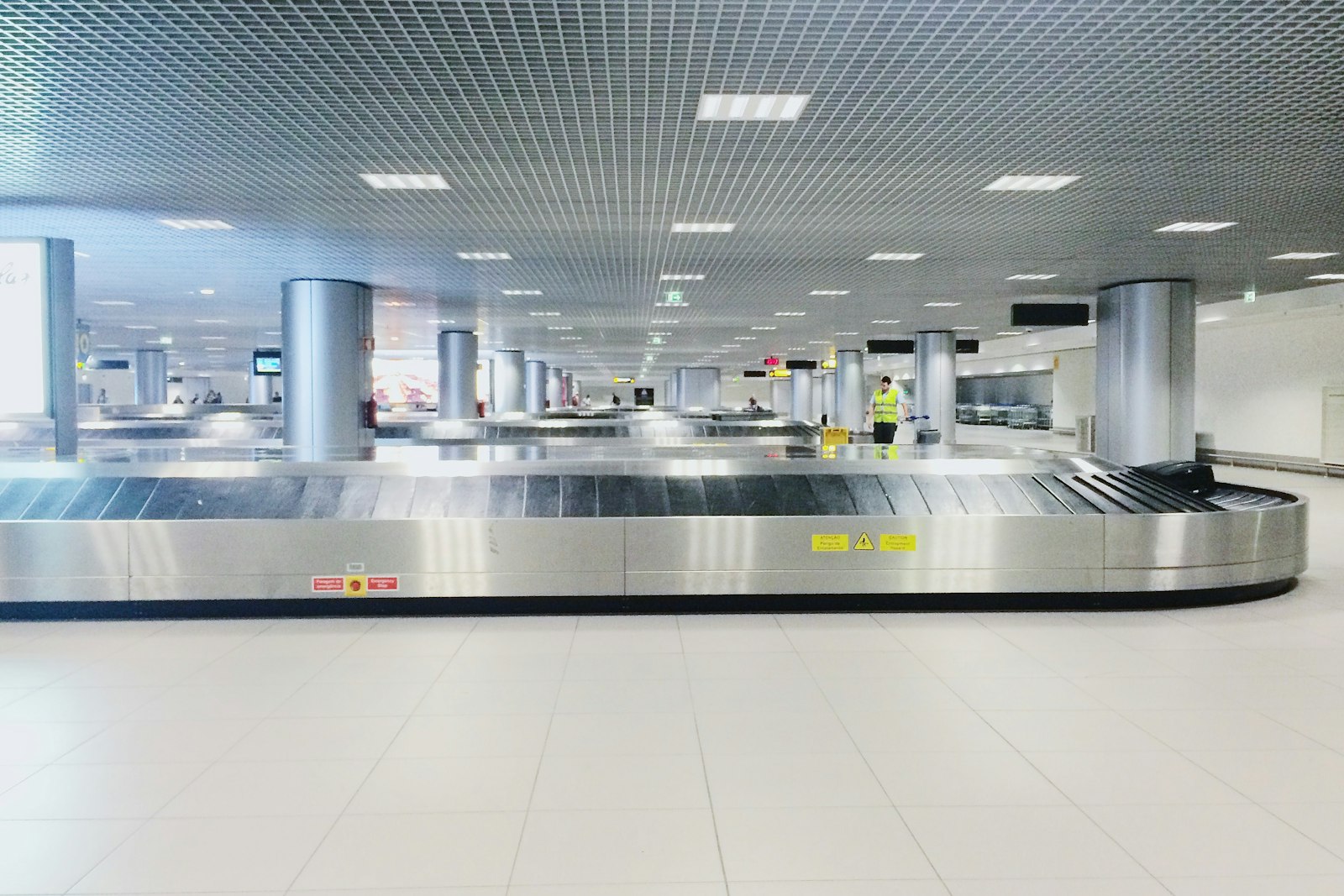 Aviation
A top 25 US airport live on Aqueduct in two weeks, with a major leak found at once
 Healthcare
Utility and critical room intelligence for one of India's top hospital chains
 Commercial real estate
Recharge, chiller plant and water intelligence for a 20M+ sq ft developer
Common questions
Aqueduct provides one real time water intelligence layer across 275+ Amazon sites. aQ WaterGuard baselines each site by type and season and detects leaks the same day, which gives Amazon's teams metered evidence for their stewardship work.
GREF is Amazon's Global Real Estate and Facilities organization, which runs Amazon's corporate and operational real estate. Aqueduct supports its water stewardship program across the sites it manages.
aQ WaterGuard learns normal flow for each site and flags use that breaks pattern as it happens. The alert reaches the site team the same day, instead of the leak showing up on the next bill.
Different kinds of sites use water differently, and use changes through the year. Baselining by site type and season lets Aqueduct separate a real change in use from normal variation, so sites can be compared fairly.
Yes. The same pattern of aQ Core as the data layer and aQ WaterGuard for baselines and anomalies applies to any portfolio of sites. Each new site follows a repeatable install and validation template.
See Aqueduct on your own facility.
Bring a site, a utility bill or a question. We will show you where the loss is.