The best energy management system for shopping malls and retail centers
 Milvian AI teamFacilities and infrastructure intelligence
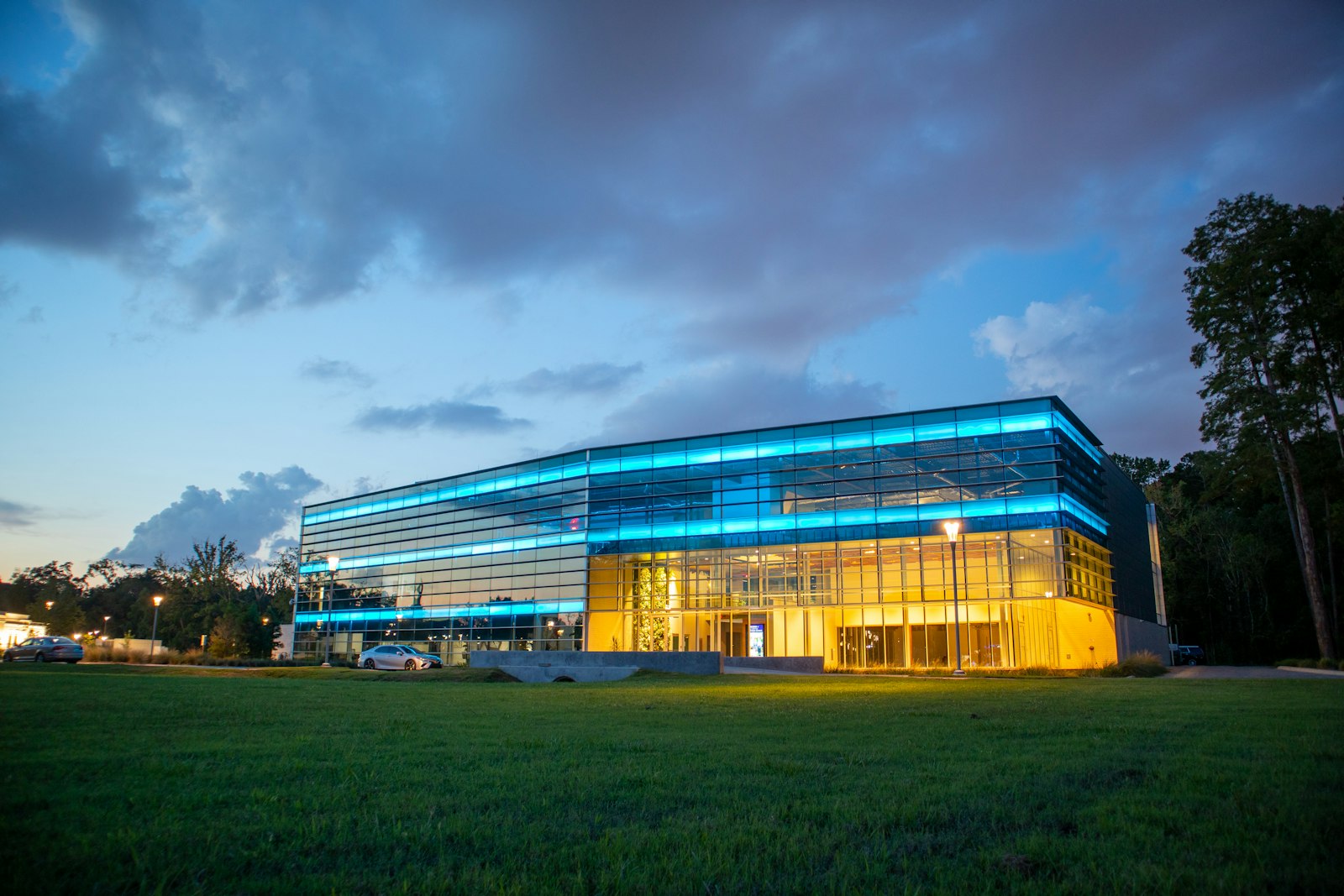
The best energy management system for shopping malls meters the cooling plant, mall AHUs, food court extract, car parks and each tenancy separately, matches plant output to trading hours and footfall, recovers tenant cost from measured use, validates utility bills, baselines every center against weather, reads the existing BMS and verifies savings at the meter in money.
Why shopping malls are a hard case for energy management
A mall's biggest bill is usually cooling. Concourses under glass take solar gain that moves through the day, and the central plant often runs a fixed trading hours profile whether the center is full on a Saturday or quiet on a Tuesday morning. Food courts add kitchen extract and make-up air that must keep cooking odor out of the concourse. Car park extract is a life safety system run at a fixed rate all day.
Then there are the tenants. Their load drives common area cooling, but recovery is often apportioned by lettable area, so a restaurant and a fashion store pay the same share for very different use. The landlord quietly carries the difference.
Most of this is invisible from the utility bill, and the plant room is the one place tenants and shoppers never see.
Malls also run on long leases and service charge budgets set a year ahead. When the plant costs more than planned, the landlord either absorbs it or has an awkward conversation with tenants. An energy system that shows the cost of cooling per zone, per trading hour and per tenancy turns that conversation into a factual one, and gives the operations team a clear list of what to fix before the next budget cycle.
What the best energy management system for shopping malls must do
| Requirement | Why it matters in malls | Question to ask a vendor |
|---|---|---|
| Cooling plant metering | The plant is the largest line on the landlord bill. | Can you baseline chillers, towers and pumps against weather and trading hours? |
| Zone level visibility | Concourse, food court, car park and washrooms behave differently. | Can you show energy by zone, not just by building? |
| Footfall and occupancy | Plant should follow how busy the center is. | Can you bring in footfall or CO2 to match AHU output? |
| Tenant recovery from meters | Area-based charges leave the landlord paying for tenant load. | Can you bill each tenancy from measured use? |
| Bill validation | Errors and rate changes slip through across many accounts. | Do you check supplier invoices against metered use? |
| Demand management | Morning start-up often sets the billed peak. | Do you show when and how the peak is set? |
| Reads the BMS | Most centers already have one and want to keep it. | Which protocols do you read, and is it read-only by default? |
| Verified savings | Owners want results in money across centers. | Is every saving measured at the meter and priced in our tariff? |
The categories mall operators compare
- Traditional BMSRuns the plant and AHUs on schedules. It rarely matches plant to footfall or prices waste in money.
- Standalone EMS dashboardsGood for bill trends across centers. Many stop before zone diagnostics or tenant recovery.
- IoT monitoring platformsEasy sensors for temperature and footfall. Often separate from plant energy and the lease.
- CMMS and EAMRun maintenance contracts and work orders. They do not measure the energy behind a fault.
- Bill management servicesPay and audit invoices across many accounts. They see problems a month late, without a cause.
- Facility intelligence platformsPlant, zones, tenancies and bills on one model with verified savings and approved control.
How to evaluate an energy management system for a mall
- Survey the center and the leasesChiller plant, mall and food court AHUs, car park extract, washrooms, tenancy meters and the current service charge method. Pull 12 months of bills.
- Agree the trading profileShare trading hours, peak days and footfall data so vendors model the center as it really trades.
- Ask for baselines from billsEach vendor should produce a weather-normalized baseline from your historical bills before fitting anything.
- Pilot overnight, zone by zoneFit clamp-on sensors after close, read the BMS and run one billing cycle in parallel with the current recovery method.
- Judge on moneyCompare verified plant savings, recovered tenant cost and bill errors found.
Evaluation scorecard for mall energy management
| Criterion | Weight | What good looks like |
|---|---|---|
| Cooling plant insight | High | Plant baselined against weather and trading hours |
| Tenant recovery | High | Each tenancy billed from measured use |
| Zone visibility | High | Concourse, food court, car park and washrooms separated |
| Bill validation | Medium | Invoices checked against meters, usage and rate changes separated |
| Footfall-aware operation | Medium | AHU output follows occupancy where approved |
| Integration | Medium | Reads BMS over BACnet and Modbus |
| Verification | Medium | Savings priced in your tariff, traced to a meter |
| Multi-center view | Low | Centers ranked on intensity using one method |
Integration and data in a retail center
Keep the BMS. The energy system reads it over BACnet or Modbus and adds metering for the cooling plant, food court extract, car park fans and each tenancy. Clamp-on and split-core sensors are fitted after close so trading is never disturbed.
Tenant billing data exports to the landlord's accounting system. On shared meters, the landlord sees the total and each tenant's share, and a tenant sees only their own. Findings route into the CMMS or the maintenance contractor's ticketing.
Many centers run plant through a maintenance contractor. The energy system should give the contractor and the landlord the same view of the same numbers, so faults are agreed quickly and fixes are verified against the baseline rather than signed off on a visit report. Ask whether contractor access can be limited to the sites and systems they maintain.
Compliance and reporting for malls
Retail owners report through GRESB and ENERGY STAR Portfolio Manager, certify through LEED or BREEAM, and in some cities face building performance standards. In Dubai, Al Sa'fat sets green building requirements for new development. Air quality in concourses and food courts is often reviewed against ASHRAE 62.1.
The energy system supplies measured, traceable figures per center. Owners, verifiers and authorities make the judgments.
Where Aqueduct fits
aQ Core maps each center as sites, floors, zones and devices. aQ EnergySmart builds the electrical digital twin and baselines plant and zones against cooling and heating degree days, with day-one baselines from uploaded bills and rate configuration that prices every finding. Billing Management bills tenancies from measured use, validates invoices and separates usage changes from rate changes.
Operators keep the BMS, replace failed meters or build measurement into new phases. Where control is enabled, with owner approval, Smart Controls follows footfall and CO2 for AHUs and car park extract through BACnet or Modbus field devices or LoRaWAN relays, with command history for every change.
A first engagement usually covers one center. The plant and zones are surveyed, bills are uploaded for a day-one baseline, the BMS is read and sensors go in overnight, zone by zone. Tenant billing runs in parallel with the current service charge for one cycle, so the landlord sees the difference before changing anything with tenants.