Vision sensors and security cameras, brought into one facility view
In Aqueduct, cameras come in two kinds. Security and surveillance cameras stream live video with motion or event alerts where supported. Vision sensors run analytics on the device and report derived counts and events over LoRaWAN or IP, sometimes with a live preview. Cameras can also read the face of existing utility meters.
Bring video, on-device analytics and meter reads into the same facility picture.
Live video beside the meters and sensors it relates to
- Live streams
Security cameras stream video that is viewed and recorded within the facility picture.
- Motion alerts
Where the camera supports it, motion or event alerts arrive with the site and zone attached.
- One command center
Video sits with water, energy and air data instead of in a separate system.
Analytics on the device, only events on the network
- Edge processing
The camera analyzes its own feed and reports derived counts and events, not raw video.
- Light on bandwidth
Small event messages travel over LoRaWAN or IP, with an optional preview over IP.
- Events in context
Derived events sit on the same site model as occupancy, air and energy readings.
Old meters online without cutting a pipe or panel
- Image to reading
Computer vision in the cloud extracts the cumulative reading from each meter face image.
- Rate calculated
The change between images gives flow for water and gas, and demand for electricity.
- Baseline sooner
Meters with no output start contributing to baselines and bill validation straight away.
Cameras, before and after Aqueduct
- Video lives in a security system facilities never see.
- Every camera streams video whether anyone watches or not.
- Meters with no output are read by hand monthly.
- Each analytics vendor brings another screen to watch.
- Camera events carry no link to the building's data.
 The Aqueduct way
- Video and events sit in the same facility view.
- Vision sensors send only derived events, not constant video.
- Camera reads turn old meter faces into live consumption.
- Third-party analytics are brought into one Aqueduct view.
- Events land on the site model with zone and time.
Camera types and data points
A camera's main output is video or an image, not a discrete reading.
| Device type | Data points |
|---|---|
| Security or surveillance camera | Live video stream, motion or event alerts where supported |
| Vision sensor (camera-based analytics) | Derived counts and events computed on the device from the video feed and reported over LoRaWAN or IP, with an optional live video or image preview |
| Camera meter reader | An image of an existing water, electricity or gas meter face, read in the cloud with computer vision to give the cumulative reading |
Three ways cameras are used
Watch
Security cameras stream video that is viewed and recorded rather than analyzed.
Count and detect
Vision sensors process the feed on the device and send only the derived events, which keeps bandwidth low.
Read old meters
Camera meter readers turn a meter with no output into consumption and demand data.
Protocols
| Device | Connection |
|---|---|
| Security camera | IP over Ethernet or Wi-Fi |
| Vision sensor | LoRaWAN for derived events, or IP |
| Camera meter reader | Images sent to the cloud for computer vision processing |
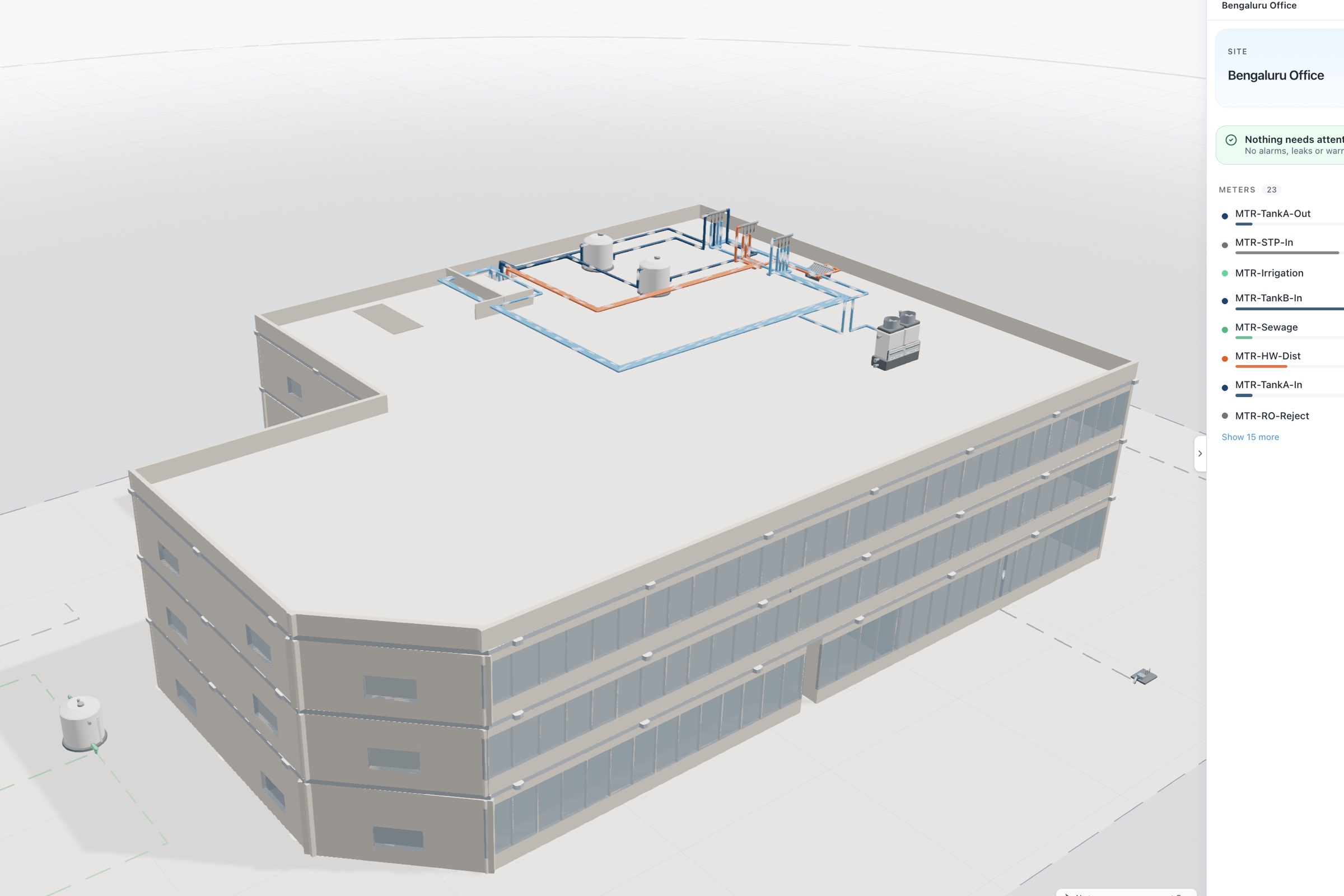
A facility runs better when every signal, including video, lands in one place.
Talk to our teamAn integrated command center, with partners
Aqueduct is built to be the integrated command and control center for a facility. Where a site needs specialist video analytics, we work with third parties to bring those solutions into the Aqueduct view rather than leaving them in a separate system.
We don't sell hardware as our core business. The exact make and model is chosen per site, and installation runs through partners.
Related hardware and features
Where teams put it to work
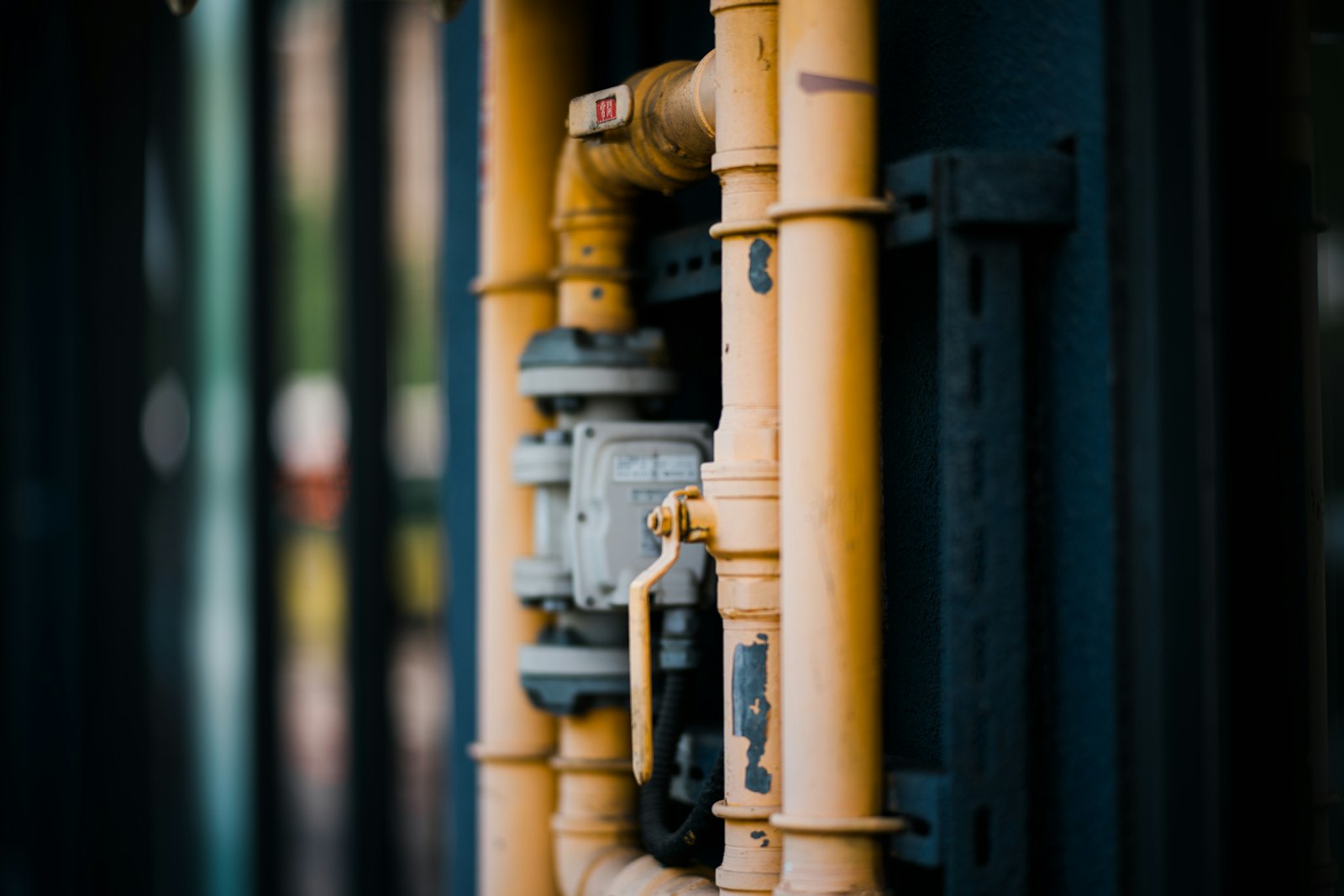
Read meters that have no data output
A camera meter reader on an old water or gas meter gives consumption and flow without replacing the meter or cutting into pipework.
Learn more
Events from vision sensors beside occupancy data
On-device analytics report derived events over LoRaWAN or IP, so they can be read next to air and energy data for the same space.
Learn more
One command center instead of separate screens
Security video, camera alerts and building data come together, so operators work from one view of the facility instead of separate screens.
Learn moreDevice agnostic, with leading manufacturers.
Exact make and model are selected per site. These are some of the manufacturers and standards Aqueduct works with.





sites in 21 countries run on Aqueduct.
and 9 clinics in one of India’s top hospital chains.
US airport running water intelligence on Aqueduct.
of commercial real estate under Aqueduct.
FMCG manufacturing campus.
operations run on Aqueduct.


Related
Common questions
A vision sensor is a camera that runs analytics on the device and reports derived counts or events rather than streaming video. Aqueduct receives those events over LoRaWAN or IP alongside other sensor data.
Yes. A camera captures the meter face and computer vision in the cloud extracts the cumulative reading. Aqueduct then calculates consumption and rate, such as kWh and demand, or gallons and flow.
Security-focused cameras report video streams that are viewed and recorded, not analyzed. Where analytics are needed, vision sensors or third-party video analytics are brought into the Aqueduct view.
No. LoRaWAN carries only the small derived counts and events. Live video or image previews, where offered, travel over IP.
Not as its core business. Cameras are chosen per site and installed through partners. Aqueduct brings their streams and events into one facility view.
It brings a meter with no pulse or data output online without cutting into pipes or panels, so a site can start baselining from the meters it already has.
See Aqueduct on your own facility.
Bring a site, a utility bill or a question. We will show you where the loss is.