CSRD energy and water datapoints, measured at the site for ESRS E1 and E3
The CSRD is the EU's Corporate Sustainability Reporting Directive, which requires in-scope companies to report under the European Sustainability Reporting Standards with external assurance. ESRS E1 covers climate, including energy consumption, and E3 covers water. Aqueduct supplies site-level metered energy and water with an audit trail. Your reporting team, auditors and advisors own materiality, disclosure and assurance.

Energy and water figures your auditor can trace back to the meter.
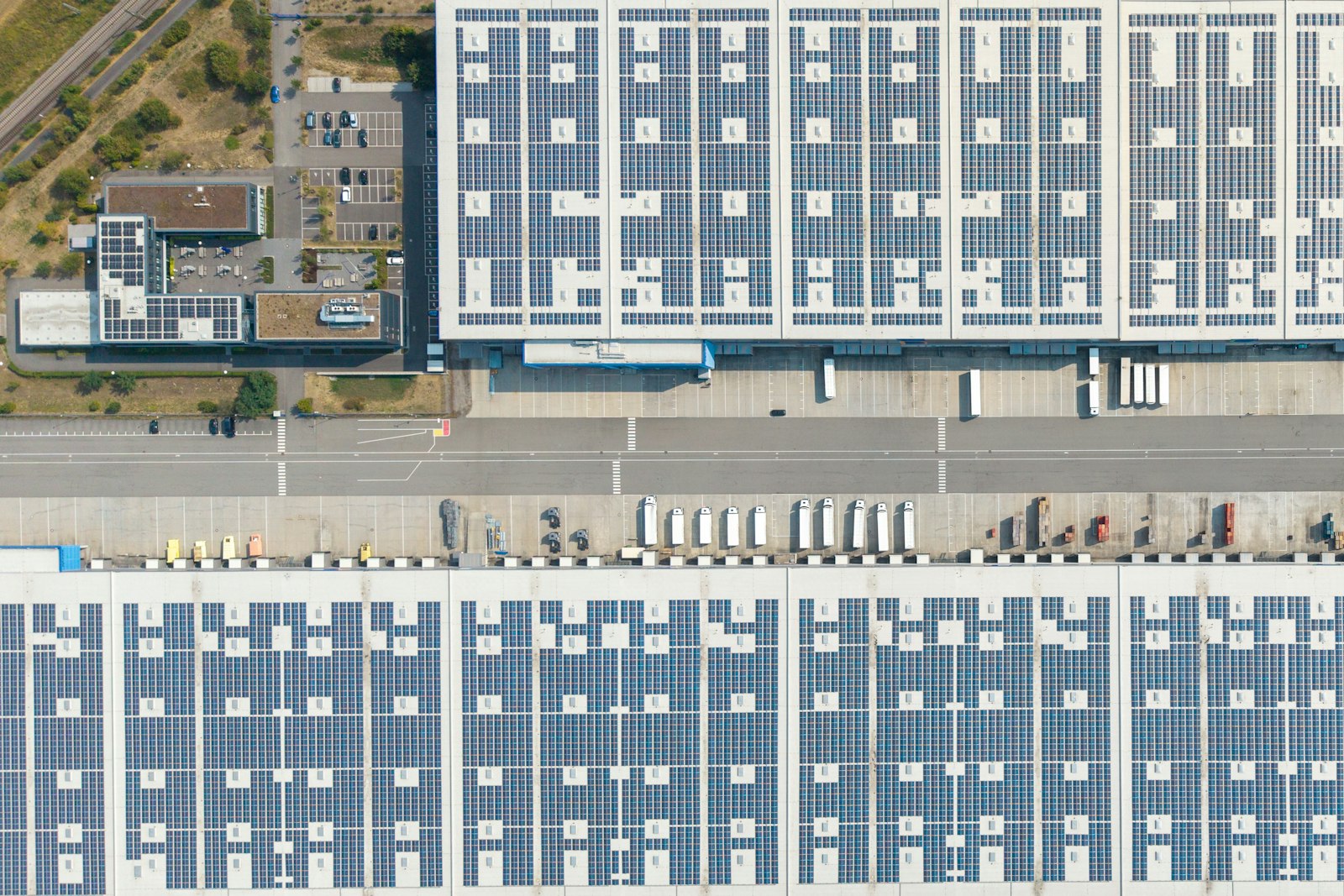
Energy consumption and mix measured at every site
- By fuel and source
Grid, solar and backup generation are metered as separate terms in the energy balance.
- Per site, per month
Totals roll up from site meters to the company, by month and by fuel.
- Intensity ready
Consumption is normalized by floor area or by units of production for the intensity metrics you report.
Water consumption measured at the site, not modeled
- Live water balance
Supply equals use plus reuse plus loss, so the site's water figures reconcile.
- Reuse counted
Treated and reclaimed water is metered where the site has RO or treatment plants.
- Loss explained
Unaccounted loss is tracked and leaks are routed for repair, then verified.
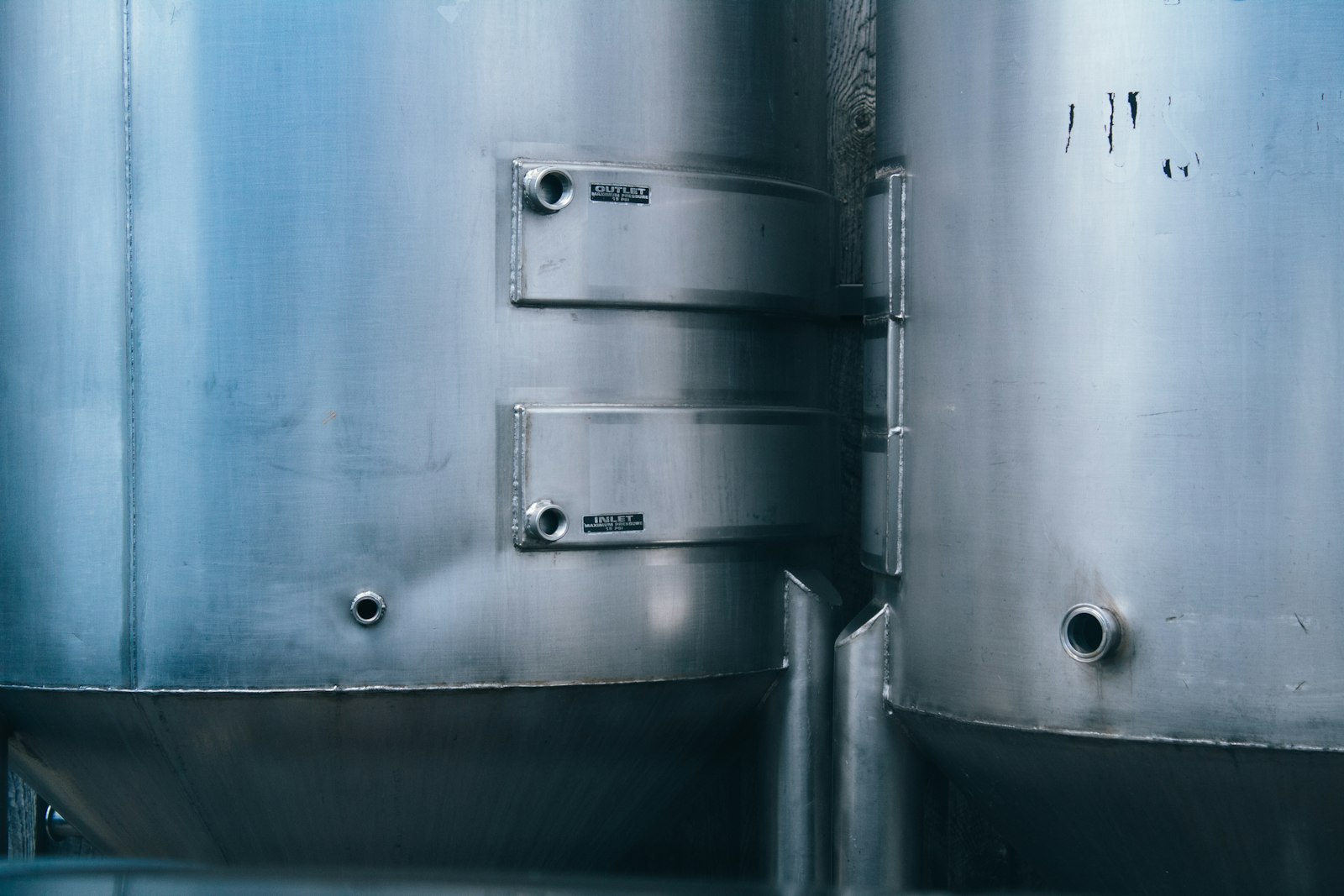
Data quality visible before the auditor asks
- Traceable figures
Every reported total traces back to the specific meters and periods that produced it.
- Completeness shown
Device health and connection rates show how complete each figure is before your auditor asks.
- Consistent exports
Exports by site, fuel and period feed your reporting or carbon accounting tool.

CSRD data, before and after Aqueduct
- Energy figures come from invoices collected across countries.
- Water use is estimated from one inlet meter or the bill.
- On-site solar is missing from the energy mix.
- Auditors ask for sources nobody can produce quickly.
- Every reporting cycle restarts the data collection.
 The Aqueduct way
- Energy is metered at each site and rolled up monthly.
- Water is sub-metered and reconciled in a live balance.
- Grid, solar and backup generation are metered separately.
- Every figure traces to its meters and periods.
- Data is collected continuously and exported each cycle.
What the CSRD is and who it applies to
The Corporate Sustainability Reporting Directive is EU law that requires in-scope companies to report on sustainability in a standard, audited format. Reports follow the European Sustainability Reporting Standards (ESRS), are based on a double materiality assessment, and are subject to external assurance, starting at limited assurance.
Topical standards include ESRS E1 Climate Change, which covers energy consumption and mix and greenhouse gas emissions, and ESRS E3 Water and Marine Resources, which covers water consumption, especially in areas at water risk. Which datapoints a company reports depends on its materiality assessment.
The scope and timing of the CSRD were revised by the EU's 2025 simplification measures, and the details continue to evolve. Check the current rules with your advisors. Whatever your timeline, auditors will want energy and water figures they can trace to a source.
CSRD requirement areas and the evidence Aqueduct supplies
Site-level measured data for the environmental standards. Disclosure and assurance stay with your team.
| Requirement area | Evidence Aqueduct supplies |
|---|---|
| E1 energy consumption | Metered electricity, gas and on-site generation per site, by month |
| E1 energy mix | Grid, solar and backup generation shown separately in the energy balance where metered |
| E1 emissions inputs | Consumption by fuel for Scope 1 and 2 calculations in your carbon accounting tool |
| E1 energy intensity | Consumption normalized by floor area or production, per site |
| E3 water consumption | Metered withdrawal, reuse and loss per site from a live water balance |
| E3 water risk areas | Site-level water data that your team maps to water risk locations |
| Assurance trail | Data traceable to the meter, with device health, exports by period and command history |
How Aqueduct supplies CSRD data
Measured once at the site, reported many times.
Meter each site
Energy and water meters connect over LoRaWAN, Modbus, M-Bus or pulse outputs, with installation through partners.
Balance energy and water
Energy and water balance equations reconcile supply against use, so totals add up before they are reported.
Show data quality
Device health and connection rates show the completeness of every figure, which helps assurance.
Export for reporting
Totals by site, fuel and period export to your reporting or carbon accounting tool.
Sustainability reporting is only as credible as the data underneath it.
Talk to our teamWhat stays with your reporting team
Aqueduct is a data source for the report, not the report.
Double materiality
Which topics and datapoints are material is decided by your company.
Disclosure and narrative
Policies, targets, actions and the sustainability statement are written by your team.
Assurance
External assurance is provided by your auditor. Aqueduct supplies traceable data for their review.
Related frameworks
Often reported alongside the CSRD.
Where teams put it to work

Plants across several EU countries
Manufacturers report energy and water for every plant. Aqueduct meters each site the same way, so group totals are consistent.
Learn more
Asset data for several frameworks
Funds reporting under the CSRD and GRESB use one measured dataset per asset for both, rather than two separate data collections.
Learn more
Energy and water at scale
Data centers use large amounts of energy and, with evaporative cooling, water. Aqueduct meters both per hall for E1 and E3 datapoints.
Learn moreThe ESRS disclosures that draw on site energy and water data
Under the CSRD, companies report against the European Sustainability Reporting Standards for topics found material. Energy and water datapoints sit mainly in ESRS E1 and E3. The EU has been simplifying the rules and the standards, so check the current scope, timing and datapoints.
E1: Energy consumption and mix
Companies disclose total energy consumption from their own operations, split by fossil, nuclear and renewable sources, with energy intensity for high climate impact sectors.
- Energy by source and site
- Renewable energy produced and consumed on site
- Intensity per net revenue where required
- Data needed
- energy by source, totaled
- Source
- utility meters, fuel meters, solar
- Aqueduct
- energy by source and site
E1: Gross Scopes 1, 2 and 3 emissions
Companies disclose gross Scope 1, location-based and market-based Scope 2 and significant Scope 3 emissions, built on GHG Protocol methods.
- Scope 1 from site fuels
- Scope 2 location and market-based
- Methods and factors disclosed
- Data needed
- activity data with factors
- Source
- fuel and electricity meters
- Aqueduct
- Scope 1 and 2 activity data
E1: Targets and transition plan
Targets need a base year and progress. Progress claims rest on consistent measured data, ideally weather-normalized when explaining change.
- Base year values
- Annual progress
- Actions with measured results
- Data needed
- baseline and verified change
- Source
- the measured dataset
- Aqueduct
- verified savings per action
E3: Water consumption
Where water is material, companies disclose water consumption, with more detail for areas at water risk, along with withdrawals, discharges, recycled and stored water where required.
- Consumption by site
- Sites in areas of high water stress
- Recycled and reused water
- Data needed
- water balance per site
- Source
- main and sub-meters, treatment plant meters
- Aqueduct
- water balance and reuse volumes
Assurance readiness
Sustainability statements require external assurance, starting at limited assurance. Assurance providers test figures back to source records.
- Meter registers and readings
- Estimation flags
- Change log for corrections
- Data needed
- traceable figures
- Source
- the measured dataset
- Aqueduct
- meter-to-total exports
ESRS energy and water datapoints mapped to meters and sensors
Datapoint references change as the ESRS are revised. Use this to plan measurement, then confirm against the current standards.
| Disclosure | What to measure | Meters and sensors | Aqueduct output |
|---|---|---|---|
| E1 energy from fossil sources | Gas, oil and fossil electricity | Gas and fuel meters, utility meters | Energy by source per site |
| E1 energy from renewable sources | Renewable electricity and on-site generation | Solar generation meters, utility meters | Renewable share per site |
| E1 energy intensity | Energy totals for the year | All energy meters | Totals for finance to apply revenue |
| E1 Scope 1 | Site fuel combustion | Gas, fuel flow and generator meters | Activity data with factors |
| E1 Scope 2 | Purchased electricity, heat and cooling | Utility and thermal meters | Location-based inputs |
| E3 water consumption | Withdrawal minus discharge | Main meters, discharge and treatment meters | Water balance per site |
| E3 water recycled and reused | Reuse volumes | STP and RO outlet meters | Reuse per site |
| Assurance evidence | Source data | Every connected device | Meter registers and readings |
Getting energy and water datapoints assurance ready
For companies in scope of the CSRD, or preparing voluntarily ahead of it.
Map material topics to sites
From your double materiality assessment, list the energy and water datapoints and the sites that produce them.
Connect and meter
Connect existing meters, upload bills for history and add metering at sites with material use and weak data.
Run the reporting year
Collect data continuously, record corrections and flag estimates so the year closes clean.
Support the assurance provider
Export totals with meter trails and methods so testing goes quickly.
Where CSRD energy and water figures fail assurance
Estimates presented as actuals
Missing months filled by copying last year, with no flag. Aqueduct marks every estimated value so it can be disclosed as such.
Water consumption guessed
Consumption needs withdrawal and discharge. Without discharge meters, sites guess. A water balance turns it into a measured figure.
Totals that cannot be traced
Spreadsheets pasted from many sources lose the link to a meter. Aqueduct keeps the trail from reading to total.
Sources2 references cited on this page
sites in 21 countries run on Aqueduct.
and 9 clinics in one of India’s top hospital chains.
US airport running water intelligence on Aqueduct.
of commercial real estate under Aqueduct.
FMCG manufacturing campus.
operations run on Aqueduct.


Related
Common questions
The CSRD is the EU's Corporate Sustainability Reporting Directive. It requires in-scope companies to report under the European Sustainability Reporting Standards with external assurance. Aqueduct supplies the site-level energy and water data behind the environmental disclosures.
ESRS E1 includes energy consumption and mix, energy intensity and greenhouse gas emissions, subject to materiality. Aqueduct meters electricity, gas and on-site generation per site and exports totals by fuel and period.
ESRS E3 covers water and marine resources, including water consumption, with attention to areas at water risk. Aqueduct meters water per site and reconciles it in a live balance, so consumption, reuse and loss are measured.
Scope depends on company size, listing and EU presence, and it was revised by the EU's 2025 simplification measures. Check the current rules with your advisors. Aqueduct supports any company that needs measured site data.
Auditors want figures they can trace to a source. Aqueduct ties each figure to the meter, shows device health and data completeness, and exports by site and period.
Aqueduct supplies consumption by fuel as the input for Scope 1 and 2 calculations. Your carbon accounting tool or advisor applies the emissions factors and prepares the disclosure.
No. Aqueduct supplies measured data. Materiality, disclosures and the sustainability statement are prepared by your company and assured by your auditor.
The EU has adopted and proposed simplifications that change which companies report and when, and the ESRS are being revised. Check the current position for your company before planning.
It means assessing both how sustainability matters affect the company financially and how the company affects people and the environment. Material topics decide which ESRS datapoints you report.
Aqueduct supplies measured water by site. Identifying which sites are in areas of high water stress uses external risk tools, which your team applies.
Assurance starts at limited assurance. Clear, traceable meter data makes testing faster at any level.
See Aqueduct on your own facility.
Bring a site, a utility bill or a question. We will show you where the loss is.